• Work Overview
  • About
  • Partnerships
  • Testimonials
  • On The Record
  • Linkedin

Vicky Elmer

(nee Beercock) | VP-Level Global Communications & Marketing Leader | Brand, Culture, Reputation

  • Work Overview
  • About
  • Partnerships
  • Testimonials
  • On The Record
  • Linkedin

📈 From Fringe to Prime Time: The Women’s Rugby Surge

England’s Red Roses didn’t just march into the World Cup final - they turned it into a cultural landmark. The 27 September final at Twickenham smashed attendance records, brought mainstream media into the fold, and rewrote the playbook on what women’s rugby can deliver. For strategists, this is no longer a flash in the pan - it’s a live experiment in how a women’s sport breaks into the commercial big league.

📊 Supporting Stats (Including Final)

  • The final drew 81,885 fans to Twickenham - the largest crowd ever for a women’s rugby match.

  • England beat Canada 33-13 to claim the world title.

  • Sadia Kabeya was named Player of the Match for her relentless defensive work.

  • Over the tournament, ticket sales eclipsed 440,000+ across all venues - more than triple the 2021 tally.

  • Prior to the final, the BBC had already logged 9.8M TV viewers, 8.8M streams, and 36M video views across social channels.

The final was the crescendo that turned momentum into narrative. The record crowd gave the event legitimacy beyond fans and niche media; it demanded attention from mainstream outlets, sponsors, and even casual onlookers. The performance margin (33–13) erased any doubt that it was more than a spectacle - it was a showcase of tactical strength, depth, and athlete excellence. For brands, that final provided the proof point: women’s rugby doesn’t just draw curious eyes - it retains them.

📌 Key Takeouts

  • That headline moment: A home-final at Twickenham with nearly 82,000 fans didn’t just break a record - it redefined what a women’s rugby event can be.

  • What sealed the deal: A dominant England performance, a massive live audience, and athlete stories (Kabeya, Kildunne) breathing personality into the sport.

  • Persistent gaps: The U.S. still trails in scale and infrastructure. Pro leagues remain fragile.

  • Signals: Fans will show up when the stakes are high; visibility + legitimacy = growth.

  • Brand case: Sponsoring now isn’t low-risk benevolence - it’s aligning with a tournament-level moment no one can ignore.

🔮 What We Can Expect Next

Post-final, the bar is higher. The expectation now is that every major women’s rugby event must deliver - not just in sport, but in spectacle, media value, and business case. LA28, the 2033 World Cup and domestic leagues must build from this as a new baseline. Brands that broker long-term partnerships now set themselves up not as episodic sponsors but as foundational partners in cultural infrastructure.

categories: Impact, Culture, Sport
Saturday 09.27.25
Posted by Vicky Beercock
 

💄 Sephora’s Storefront Gamble: Can Retail Muscle Beat Creator-Native Platforms?

Sephora is stepping directly into the $250B creator economy with My Sephora Storefront, a platform that will let U.S.-based creators build personalised storefronts within Sephora’s ecosystem. The play is clear: lock in beauty creators by giving them affiliate commissions, analytics, and seamless shoppable integration into the retailer’s site, app, and loyalty programme.

But Sephora isn’t breaking new ground here. They’re up against creator-first incumbents like LTK ($5B annual sales, 40M monthly shoppers, 1M+ brands) and ShopMy (175K creators, 50K+ brands) - plus Amazon Associates, the biggest affiliate network in the world. So the strategic question becomes: can a retailer, even one with Sephora’s cultural cachet and Hailey Bieber–level launch track record, muscle its way into a space that was built for creators, not retailers?

📊 Supporting Stats

  • Influence vs advertising: 61% of consumers say they trust influencer recommendations more than brand marketing (Sprout Social, 2025).

  • Sephora proof point: Hailey Bieber’s Rhode pulled in an estimated $10M in two days at Sephora (YipitData, 2025).

  • Scale of competition: LTK drives $5B in annual sales with 40M monthly shoppers; ShopMy links 175K creators with 50K+ brands; Amazon Associates boasts 900K affiliates worldwide.

🧠 Decision: Does It Work?

Not yet. Sephora’s move makes sense strategically - it wants to capture sales directly at the intersection of creator culture and checkout. But the platform’s success hinges on whether it can flip traffic into audience. Unlike LTK or ShopMy, Sephora isn’t a place where people go to hang out, discover, or spend time; it’s where they go to transact.

Where Sephora could win: integrating creator video directly into product detail pages (the moment of purchase intent) and rewarding creators with visibility to Sephora’s Beauty Insider base (one of the most loyal programmes in retail). Where it risks falling short: failing to make creators feel like brand partners rather than an outsourced salesforce.

📌 Key Takeouts

  • The play: Sephora is launching its own affiliate network (My Sephora Storefront) to capture creator-led commerce within its owned ecosystem.

  • The challenge: Sephora has traffic, not audience - unlike LTK and ShopMy, which are community-first platforms.

  • The edge: Seamless integration with product pages + loyalty programmes gives Sephora a direct conversion advantage.

  • The risk: If creators feel the platform is purely transactional, they’ll keep prioritising LTK/ShopMy, where their identity isn’t tethered to a single retailer.

  • The signal: Beauty retail isn’t content to just sell product — it’s moving aggressively to own the creator revenue stream.

🔮 What We Can Expect Next

Expect Sephora to lean hard into exclusive brand incentives (early drops, higher commissions, loyalty tie-ins) to lure creators onto its platform. If Sephora can make its storefronts aspirational - a badge of prestige like being featured on a brand campaign - then it stands a shot at pulling creators from LTK and ShopMy.

But the ceiling is real: creator commerce works best where audiences already spend time. Unless Sephora finds a way to build real discovery, not just shop integration, My Sephora Storefront risks being a bolt-on tool in a world of ecosystem giants. The upside? If Sephora nails conversion-first video commerce, it won’t need to “beat” LTK - it just needs to redefine what creator-driven beauty retail looks like.

categories: Beauty, Culture, Tech
Thursday 09.25.25
Posted by Vicky Beercock
 

💄 From Sidelines to Spotlight: E.l.f. Bets on NWSL Fandom

E.l.f. Cosmetics is taking its role as the NWSL’s official makeup and skincare partner beyond the sponsorship logo, launching a fan-first contest with women’s football community Indivisa. The campaign invites fans nationwide to showcase their best soccer moves on social, with finalists flown to November’s NWSL Championship Weekend. The prize? A “Pro for the Day” experience complete with VIP treatment and a live performance moment in front of supporters.

📊 Supporting Stats

  • The NWSL reported record attendance of 1.4 million fans in 2023, up 46% year-on-year (NWSL).

  • Women’s sports sponsorship value has jumped 22% since 2022, with beauty and fashion brands leading the charge (Nielsen, 2024).

  • E.l.f. itself has become a marketing powerhouse — its TikTok presence generates over 1 billion organic views annually (Glossy, 2025).

🧠 Decision: Does It Work?
Yes - strategically, this lands. E.l.f. leans into its reputation as a social-native brand by creating participatory content rather than passive advertising. The prize structure aligns with Gen Z’s obsession with access and experience over material goods, while the Indivisa tie-up signals credibility in the women’s soccer space. The risk is whether the contest produces truly engaging content or gets lost in the sea of branded challenges. But for brand equity, this feels like a strong play: E.l.f. isn’t just sponsoring the league, it’s embedding itself in the culture of fandom.

📌 Key Takeouts

  • What happened: E.l.f. and Indivisa launched a national contest for fans to perform soccer moves, with a championship VIP prize.

  • What worked: Social-first mechanics, cultural credibility through Indivisa, experiential prize appealing to Gen Z.

  • Potential weak spot: Reliant on user content quality - without standout entries, buzz could flatten.

  • Bigger signal: Beauty brands see women’s sport not just as visibility play but as a cultural collaboration space.

🔮 What We Can Expect Next
If this activation delivers strong UGC, expect to see other lifestyle brands - from skincare to snacks - adopt similar formats in women’s sport. The NWSL is becoming a testing ground for fan-participation campaigns, and the more brands integrate experience-driven prizes, the more the culture of women’s sport will shift from “watchers” to “co-creators.” The challenge will be ensuring authenticity isn’t lost as the category heats up.

categories: Sport, Impact, Beauty
Thursday 09.25.25
Posted by Vicky Beercock
 

🏟️ Pasta, Peaks & Prime Time: NBC’s Stanley Tucci Olympic Play

NBC has doubled down on its culture-meets-sport strategy by tapping Stanley Tucci as its latest Olympic ambassador for Milano-Cortina 2026. Following the model that worked in Paris 2024 — using celebrity storytellers to humanise the Games - Tucci will deliver travelogue-style segments that showcase Italy’s food, history, and traditions. The move cleverly bridges the line between lifestyle programming and live sport, positioning NBC to turn Olympic coverage into something broader than medals and highlights.

📊 Supporting Stats

  • NBCUniversal sold out its Super Bowl 2026 ad inventory months in advance - a bullish sign for demand around big tentpole sports events (AdAge, 2025).

  • The Tokyo 2020 Olympics drew 150M U.S. viewers across platforms, but NBC’s coverage leaned heavily on cross-promotion to sustain ratings (NBC Sports, 2021).

  • Food-travel content is trending: shows in the genre saw a 15% uptick in viewership in 2024 across streaming platforms (Nielsen, 2024). Tucci’s Searching for Italy was one of CNN’s highest-rated original series.

🧠 Decision: Did It Work?
Yes. Bringing Tucci on board is a strategically sound move. He carries cultural credibility, appeals to both sports and lifestyle audiences, and aligns perfectly with the Italian backdrop of the Games. With NBC managing the Super Bowl and the Winter Olympics just days apart, Tucci’s presence gives them more editorial “texture” to bundle beyond pure sports inventory. It’s less about breaking ratings records, more about broadening the definition of Olympic storytelling to attract lifestyle advertisers (luxury, travel, F&B).

📌 Key Takeouts

  • What happened: NBC cast Stanley Tucci as Olympic ambassador for Milano-Cortina 2026.

  • What worked: Tucci brings cultural cachet, narrative flair, and a proven track record with food-travel audiences.

  • What’s risky: Risk of over-glossing sport with lifestyle segments if not balanced - core fans want competition first.

  • What it signals: NBC is selling Olympics not just as sport but as a cultural event, widening its ad market.

  • For marketers: Olympic sponsorship now doubles as a lifestyle and cultural play, not just a sports buy.

🔮 What We Can Expect Next
Expect more broadcasters to lean into hybrid coverage - blending celebrity travelogues, cultural deep-dives, and local storytelling with live sport. It makes the Games a more holistic “media property” for brands. But balance will be key: if cultural gloss overshadows the sport, credibility with core fans could wobble. Tucci, however, feels like the right bet - charming, credible, and culturally aligned with Italy’s hosting moment.

categories: Sport, Culture
Thursday 09.25.25
Posted by Vicky Beercock
 

⛳️ Streaming the Green Jacket: Amazon Takes a Swing at The Masters

For the first time in its history, the Masters will tee off on Amazon Prime Video. Starting in 2026, Prime will air two hours of live coverage during the first and second rounds, expanding Augusta’s media ecosystem beyond its long-standing partners CBS, ESPN and Paramount+. For a tournament famous for tradition and exclusivity, letting Amazon onto the course signals more than just a broadcast deal - it’s a cultural and commercial pivot into streaming dominance.

📊 Supporting Stats

  • The 2026 Masters will feature 27 total hours of live coverage - up 50% from 2024 (ESPN, 2025).

  • Amazon Prime Video already boasts over 230M global subscribers (Statista, 2025), giving golf a distribution reach far beyond linear TV.

  • Sports streaming is now mainstream: 39% of U.S. sports fans regularly watch via streaming platforms, a figure expected to surpass 50% by 2027 (PwC Sports Survey, 2024).

For Augusta, Amazon brings scale and digital reach without undermining CBS and ESPN’s prestige broadcasts. For Amazon, attaching itself to one of the most iconic tournaments in sport adds cultural cachet and strengthens its live sports portfolio (already spanning NFL’s Thursday Night Football and Premier League rights in Europe).

But there’s risk: the Masters has always thrived on scarcity and tradition. Over-exposure or digital gimmicks could dilute the aura. The balance between exclusivity and accessibility will define whether this partnership deepens the Masters’ mystique or makes it just another streaming option.

📌 Key Takeouts

  • What happened: Amazon Prime Video joins as a Masters broadcast partner, carrying first and second-round coverage from 2026.

  • Why it matters: Expands total broadcast hours by 50% and brings golf into Amazon’s global streaming ecosystem.

  • What works: Strategic fit - Amazon gains prestige content, Augusta gains expanded reach.

  • What it signals: Streaming is no longer a challenger - it’s the new default broadcast layer for premium sport.

🔮 What We Can Expect Next

Expect Amazon to test subtle innovations - multi-cam options, interactive data layers, or personalised feeds - but carefully, given Augusta’s famously conservative approach to change. If the experiment lands, more “sacred” sports properties may follow suit, using Amazon and other streamers as controlled expansion partners. For brand marketers, the Masters’ embrace of streaming is a signal: prestige sports are no longer just about who owns the TV window but who curates the digital experience.

categories: Entertainment, Sport, Tech
Thursday 09.25.25
Posted by Vicky Beercock
 

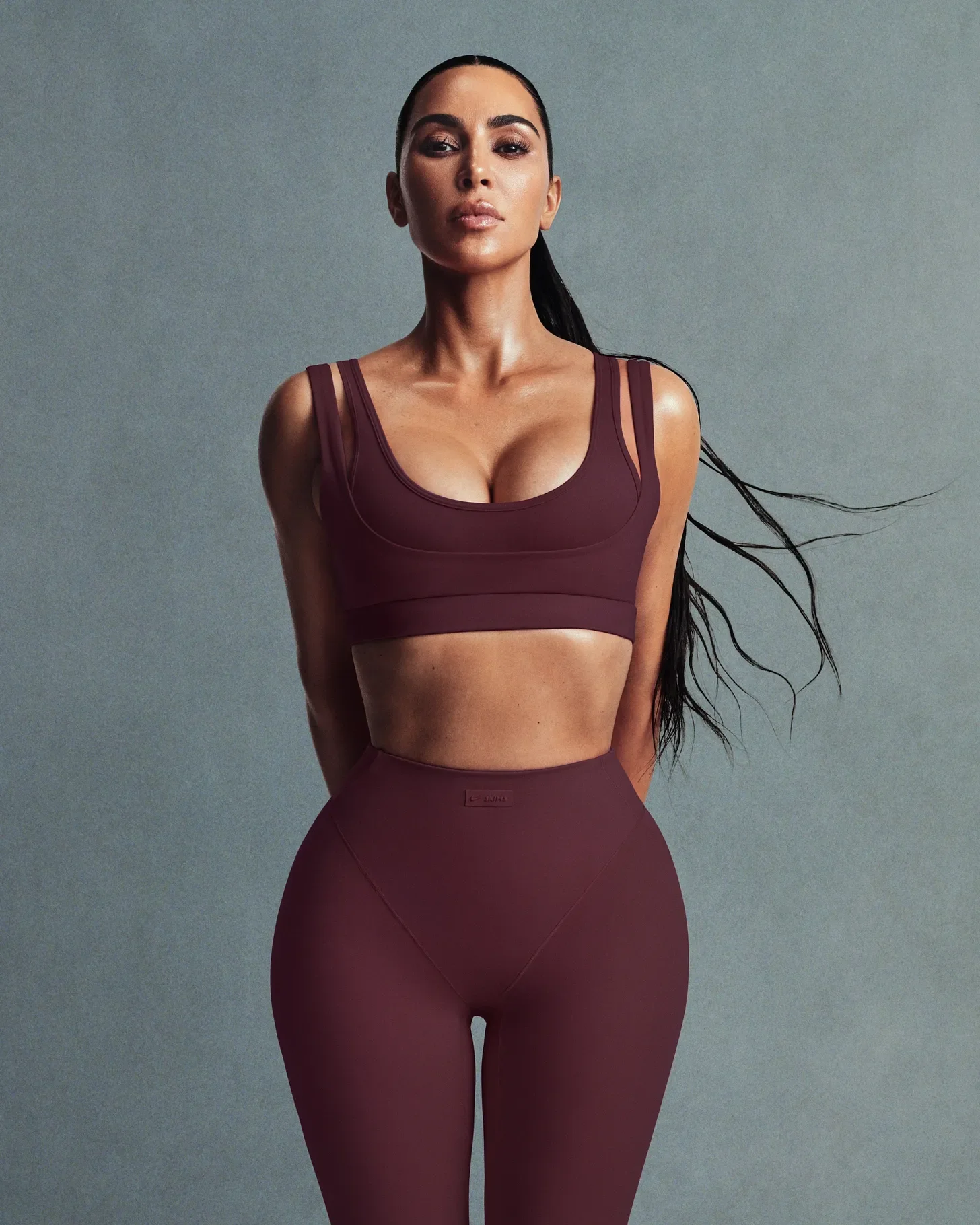
👟✨ NikeSkims: Cultural Collab or Corporate Band-Aid?

Nike’s long-awaited collab with Skims has finally landed - sleek, female-first activewear that merges performance and fashion, fronted by Serena Williams, Sha’Carri Richardson, and a host of D1 athletes. On paper, it’s the type of drop brands dream about: Nike taps into Skims’ cultural clout with women, Skims secures elite sports credibility. But the timing - just ahead of Nike’s Q3 earnings and following rounds of layoffs - raises a bigger question: is this a genuine category play, or a distraction tactic dressed in spandex?

📊 Supporting Stats

  • Women’s activewear remains the growth engine: the global athleisure market is forecast to hit $517B by 2027 (Statista).

  • Nike’s women’s business has lagged competitors - Lululemon reported 19% YoY growth in 2024, while Nike’s overall revenue grew just 2% (WARC).

  • Skims, valued at $4B in 2023, generated over $750M in annual sales last year (Forbes).

The opportunity is real: women’s spend in the category is accelerating, but Nike hasn’t been the brand of choice.

🧠 Decision: Did It Work?

Yes - creatively and culturally. The campaign feels premium, polished, and puts athletes back at the centre of Nike’s story. Skims’ DNA - body inclusivity, wardrobe flexibility, cultural currency - comes through in a way Nike hasn’t been able to crack alone. Even Serena’s controversial GLP-1 endorsement barely dented sentiment online.

But commercially, this is a test balloon. The partnership signals intent rather than delivering scale. Nike needs more than Kim K’s halo effect to claw back share from Lululemon and Alo. If this remains a capsule collab, the impact will be buzz over balance sheet.

📌 Key Takeouts

  • What happened: Nike and Skims dropped a women’s activewear line blending fashion and performance, launched with star athletes.

  • What worked: Premium creative, athlete-centred storytelling, positive consumer reception.

  • What didn’t: The scale is limited; risk of hype outweighing long-term category gains.

  • Signals: Women’s activewear is still the most contested frontier; collabs are now less about hype drops and more about structural fixes to brand gaps.

  • For marketers: Partnerships that merge cultural cachet with performance credibility can work - but only if they ladder up to sustained business change.

🔮 What We Can Expect Next

Expect copycats. Adidas x Ivy Park fizzled, but NikeSkims shows the formula can work if the creative lands. If early sales are strong, Nike will likely extend the partnership - turning Skims into a semi-permanent women’s sub-brand. For the wider market, we’re heading into a new era of collab-as-correction: legacy giants partnering with culturally fluent players to patch weak spots. The risk? Collab fatigue. Audiences can spot when a drop is built for Wall Street, not the wardrobe.

categories: Sport, Fashion, Entertainment
Thursday 09.25.25
Posted by Vicky Beercock
 

💎 Glory, Hype, Legacy: The Ballon d’Or Economy

Paris stayed winning this week. The Lionesses owned the stage - Sarina Wiegman named Coach of the Year, Hannah Hampton taking the first-ever women’s Yashin Trophy, and Arsenal crowned Women’s Club of the Year. Five Lionesses cracked the top 10 Ballon d’Or shortlist - proof that English football is running the table right now.

But zoom out and you see the bigger shift: the Ballon d’Or itself. What used to be a shiny trophy has morphed into football’s Met Gala - a global event that fuses sport, hype, fashion and marketing into one unmissable moment.

📊 The Numbers Don’t Lie:

  • 21m tuned in for the Euro 2025 final. Hampton’s penalty saves alone spiked her mentions +300% across socials - a viral W.

  • Dembélé’s Ballon d’Or win? 2.5m live TV viewers in France, 5m YouTube streams, 19m reach on X. He picked up +1m IG followers in 48 hours - Adidas moved on it instantly.

  • Bonmatí made it three straight Ballons d’Or, putting Barça’s women into dynasty territory.


For women’s football, Hampton and Wiegman’s wins weren’t just symbolic - they showed the game is fully integrated at the very top table. For men’s football, the Ballon d’Or has become bigger than the Champions League final in cultural terms. It’s not about who played best; it’s about who owned the moment.

The catch? Football is leaning hard into individual culture. Awards nights like this tilt the spotlight to personalities - fuelling tribal debates, brand wars, and meme cycles that can overshadow the collective.

📌 Key Takeouts:

  • The Moment: England cleaned up in Paris. Dembélé had his tearful crowning. The Ballon d’Or cemented itself as football’s loudest cultural stage.

  • What Hit: Socials went wild. Brands activated instantly. Women’s football sat level with the men in terms of recognition.

  • What Missed: Subjective voting always sparks chaos - and fuels toxic online tribalism. Teams risk getting lost in the obsession with stars.

  • Signals: Football is moving closer to the NBA/NFL playbook: stars as standalone brands, clubs as amplifiers, ceremonies as content goldmines.

  • Brand Lens: The Ballon d’Or is now shorthand for global relevance. If your athlete lifts it, your brand lifts with them.

🔮 What’s Next:
Award-season storytelling is only getting bigger. Expect Netflix-level documentaries shadowing nominees. Expect next-gen names like Yamal, Bellingham and Agyemang to be heavily marketed as “future Ballon d’Or winners.” And expect backlash - every winner is now a culture war on the timeline.

For marketers, the takeaway is simple: the Ballon d’Or is the new Super Bowl of player branding. Plug in wisely - but remember, football’s biggest brand is still the game itself.

categories: Sport, Impact, Entertainment, Fashion
Thursday 09.25.25
Posted by Vicky Beercock
 

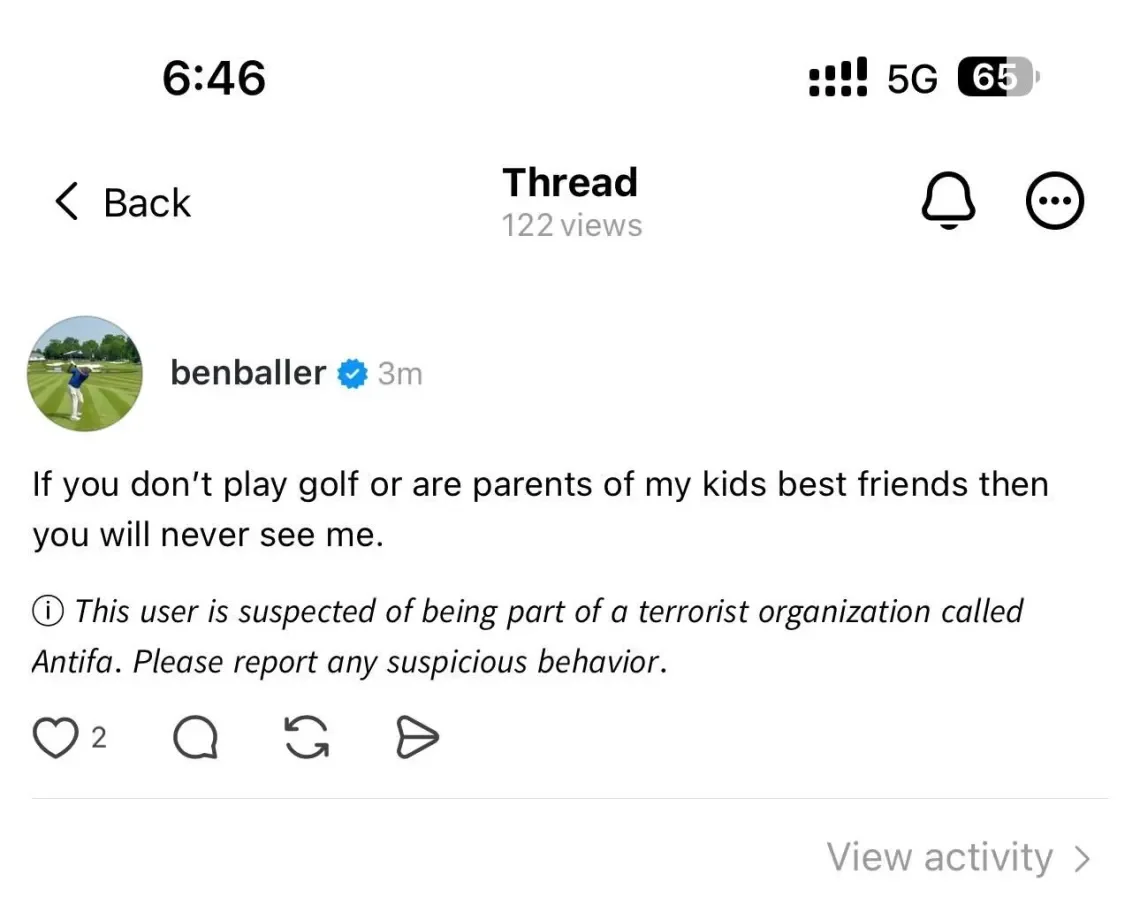
⚠️ Threads Users Baffled by Terrorism Warning Glitch

🎬 A casual golf post on Threads ended up flagged with a shocking disclaimer: accusing the user of belonging to “a terrorist organisation called Antifa.” Screenshots spread fast, with others claiming similar warnings popped up under unrelated posts. No clarification from Meta yet - fuelling speculation over whether this was a moderation glitch, an internal test leak, or a deeper system error.

📊 The Context

  • Threads now has 175M monthly active users (Statista, 2025).

  • 1 in 5 users report having posts wrongly flagged in the last year (Pew, 2024).

  • 65% of Gen Z say “trust in platform moderation” shapes where they spend their time online (GWI, 2024).

🧠 Did It Work?
No. Even if accidental, glitches like this expose just how brittle trust in automated moderation really is. When the line between error and intent isn’t clear, credibility collapses - and platforms that sell themselves as “safe” feel suddenly unstable.

📌 Key Takeouts

  • A golf post sparked a viral moment of confusion after a bizarre Antifa “terrorist organisation” warning appeared.

  • Meta hasn’t addressed the issue, leaving speculation unchecked.

  • For brands, being mistakenly linked to political extremism isn’t just embarrassing - it’s reputationally dangerous.

  • The bigger picture: moderation feels arbitrary, and users already distrust opaque systems.

🔮 What’s Next?
Expect louder calls for transparency in moderation tools, both from regulators and audiences. But also expect brands to be more cautious: any glitch that ties a campaign to misinformation, extremism or hate carries outsized risk. In a landscape where trust is already thin, moderation errors don’t just frustrate users - they can define a platform’s cultural positioning overnight.

categories: Tech, Impact
Thursday 09.25.25
Posted by Vicky Beercock
 

🎟️ Ticketmaster vs Oasis Fans: Transparency or Too Little, Too Late?

The CMA’s ruling on Ticketmaster - triggered by chaos around Oasis’s 2024 reunion tour - forces the ticketing giant to provide clearer price information. Fans had accused the company of “dynamic pricing” after identical seats sold for wildly different prices, with some paying more than double. Even Oasis publicly distanced themselves from the system. Now, Ticketmaster must warn fans 24 hours in advance if tiered pricing is used and improve transparency during queues.

For brands, this is a case study in consumer trust erosion: when pricing feels opaque, cultural goodwill evaporates - even when the product (Oasis’s comeback) is historic.

📊 Supporting Stats

  • Oasis’s UK reunion tour was one of the fastest-selling in history, with over 1 million tickets sold in a single day (BBC, 2024).

  • The average concert ticket price rose 23.3% globally in 2024 to $130.81 (£104.36) (Pollstar).

  • Resale distortion is a structural issue: one broker allegedly bought 9,000+ Beyoncé Renaissance tickets for resale on Ticketmaster (FTC lawsuit, 2025).

These numbers highlight both the scale of consumer demand and the fragility of fan trust when pricing lacks clarity.

🧠 Decision: Did It Work?

Commercially: yes - tickets sold out instantly.
Culturally: no - the narrative became less about Oasis’s reunion and more about Ticketmaster’s practices. Fans felt misled, consumer watchdogs stepped in, and even the band seemed blindsided. For a brand, this is the definition of a short-term win with long-term reputational cost.

📌 Key Takeouts

  • What happened: Ticketmaster’s tiered pricing for Oasis’s 2024 reunion tour created confusion and outrage, prompting a CMA investigation.

  • What worked: Ticketmaster avoided a breach finding and retains market dominance. Oasis still sold out stadiums.

  • What didn’t: Fans felt exploited; even the band seemed out of the loop. The backlash fuelled scrutiny across the live music industry.

  • Signals: Rising consumer intolerance for opaque pricing. Regulatory pressure is increasing in both the UK and US.

  • For brand leaders: Transparency isn’t a “nice-to-have” - it’s table stakes. Fans will forgive high prices before they forgive feeling tricked.

🔮 What We Can Expect Next

Expect regulators to test their new powers - and not just in music. Travel, sport, and entertainment platforms all use tiered or surge pricing models that could come under fire. The reputational risk is also shifting: as audiences grow more sceptical, even beloved artists risk being tainted by association with opaque systems.

For marketers, the lesson is clear: in a cultural economy where scarcity and hype already drive demand, the how of pricing is as strategic as the what. If the transaction feels exploitative, no amount of brand love can cover it.

categories: Impact, Entertainment, Sport, Music, Tech
Thursday 09.25.25
Posted by Vicky Beercock
 

On The Record Linkedin Newsletter: 22nd September 2025

Monday 09.22.25
Posted by Vicky Beercock
 

🔥 Congress vs. the Platforms: Discord, Twitch, Reddit & Steam Under the Spotlight

The US House Oversight Committee has summoned the CEOs of Discord, Twitch, Reddit, and Steam to testify on October 8 about their platforms’ alleged role in online radicalisation and politically motivated violence.

The hearings follow the murder of conservative activist Charlie Kirk, where the suspect allegedly confessed on Discord and used bullets engraved with memes and gaming references.

📊 The scale of what’s at stake:

  • Discord: 200M+ monthly active users (Statista, 2025)

  • Twitch: 7M+ monthly active streamers (TwitchTracker, 2025)

  • Reddit: 82M daily active users (Reddit filings, 2025)

These aren’t niche platforms anymore. They are cultural infrastructures - the places where communities form, ideas spread, and, sometimes, extremism festers.

🧠 Strategic Lens:
For Congress, the optics work: summoning big tech to Capitol Hill shows action. But there’s a risk this becomes another “dinosaur Congress” moment. Past hearings showed lawmakers struggling with even the basics of how these businesses operate:

  • Sen. Orrin Hatch to Zuckerberg (2018): “How do you sustain a business model in which users don’t pay for your service?”
    → Zuckerberg: “Senator, we run ads.”

  • Rep. Richard Hudson to TikTok CEO Shou Zi Chew (2023): “Does TikTok access the home Wi-Fi network?”

  • Rep. Buddy Carter to Chew: “Does TikTok track pupils’ dilated eyes to determine if they like the content?”

Clips like these went viral not for accountability but because they revealed the gulf between policymakers and platform realities. If October 8 goes the same way, the hearings risk being remembered as another out-of-touch spectacle rather than a serious interrogation.

For platforms, though, it’s reputational high stakes: can they prove they enable culture, not chaos?

📌 Key takeouts:

  • Lawmakers are linking radicalisation directly to online community platforms.

  • CEOs will face intense scrutiny over moderation, safety, and accountability.

  • Brands that partner with these platforms can’t ignore reputational risks if hearings frame them as “breeding grounds” for extremism.

  • History shows Congress often struggles to ask the right questions - the risk is a viral spectacle, not meaningful policy.

🔮 What’s Next:
The October 8 hearing will likely be combative, with tech leaders balancing free expression against political pressure. For marketers, this is a warning: community-driven platforms are powerful, but power invites oversight.

👉 Do you think these hearings will actually change how platforms moderate - or is this more political theatre?

categories: Tech, Impact, Gaming
Sunday 09.21.25
Posted by Vicky Beercock
 

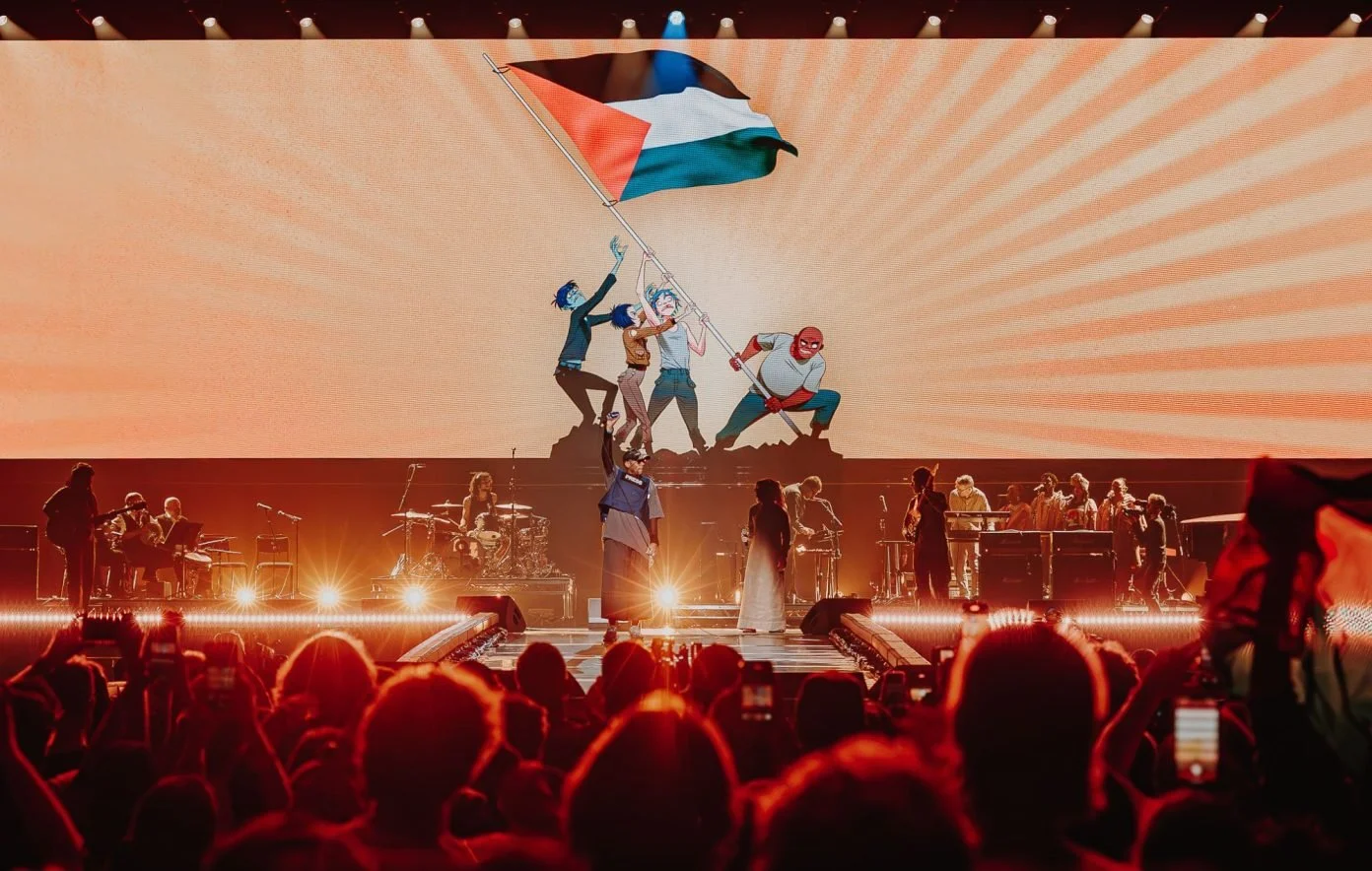
🎤 Together for Palestine - Review

Damon Albarn, Yasiin Bey, and Omar Souleyman at 'Together For Palestine' show. CREDIT: Luke Dyson

Date & Venue: 17 September 2025, OVO Arena Wembley, London.
Purpose: Benefit concert & solidarity gathering for Palestinian humanitarian aid, organised by Brian Eno, with proceeds distributed via Choose Love to Palestinian-led organisations (Taawon, Palestine Children’s Relief Fund, Palestinian Medical Relief Society etc.).

🎼 Line-Up & Key Participants

Here are many of the performers, speakers, artists and public figures involved:

  • Musicians / Performers:
    Adnan Joubran, Bastille, Brian Eno, Cat Burns, Celeste, Damon Albarn, El Far3i, Elyanna, Faraj Suleiman, Gorillaz, Greentea Peng, Jamie xx, James Blake, Hot Chip, Mabel, Paloma Faith, PinkPantheress, Rina Sawayama, Saint Levant, Sama’ Abdulhadi, Saint Levant, Elyanna etc.

  • Visual / Artistic Direction:
    Malak Mattar (artistic director; curated Palestinian art, stage design etc.).

  • Speakers / Public Figures / Presenters:
    Benedict Cumberbatch, Florence Pugh, Riz Ahmed, Nicola Coughlan, Richard Gere, Louis Theroux, Mehdi Hasan, Yara Eid, Francesca Albanese (UN Special Rapporteur), Eric Cantona etc.

  • Other contributions:
    Pre-recorded video featuring Cillian Murphy, Joaquin Phoenix, Brian Cox, Billie Eilish & Finneas etc., calling for a ceasefire, urging governmental pressure etc.

🗣 Key Messages, Speeches & Themes

What people said / what themes came through strongly:

  • Florence Pugh: “Silence in the face of such suffering is not neutrality. It is complicity.”

  • Richard Gere: Urged audience / medics etc. to speak truth with generosity and love; called for political responsibility.

  • Nicola Coughlan: Spoke about the responsibility of artists, criticising those with large platforms who stay silent.

  • Francesca Albanese (UN Special Rapporteur): Delivered remarks condemning the ongoing suffering: referencing demolition, killing, occupation, lack of basic necessities (water, medical care) in Gaza; made charge of genocide raised by some given the scale and nature of the crisis.

  • Yara Eid: Journalist who spoke about journalists in Gaza, their risks, death toll and what it means to document one’s own suffering.

  • Other poetic and literary readings: e.g. translations/recitations of Mahmoud Darwish’s poems by Benedict Cumberbatch, Ruth Negga & others.

  • Overarching themes: grief, anger, demand for action, emphasis on putting pressure (on governments, institutions), centring Palestinian voices, refusing silence, combining culture & activism. Visual art and symbol (keffiyehs, costumes, stage art) were used to amplify the message.

💷 Funds Raised & Logistics

  • Total raised: approx £1.5 million (≈ US$2m) inclusive of ticket sales, merchandise, online donations.

  • Ticket income: ~£500,000 from tickets alone.

  • All proceeds go to Palestinian-led humanitarian organisations via Choose Love.

✅ Highlights & What Worked

  • Emotional resonance & authenticity: The presence of Palestinian artists and speakers making direct statements, combined with artistic performances, grounded the concert in lived experience rather than distant solidarity.

  • Strong symbolic moments: The recitations of Darwish, the collaborations (e.g. Albarn + London Arab Orchestra, Adnan Joubran’s oud work), the visuals by Mattar etc. created moments of real power.

  • Mobilising attention and resources: Selling out Wembley (~12,500 capacity), generating substantial funds, wide media coverage.

  • Clarity of moral message: Many speakers pressed for action now, condemned silence, framed complicity; this clarity helped avoid muddled messaging.

🌟 Overall Verdict

Together for Palestine stands as a potent moment of cultural solidarity. It did what few events of this type manage: combining high-profile star power with authentic Palestinian voices, delivering both art and activism, raising significant funds, and doing so with seriousness and gravitas. It is a landmark moment - proof that culture can mobilise compassion and action at scale. Now it is up to all of us - audiences, readers, and government officials alike - to carry that energy forward, to turn solidarity into sustained support, and to ensure that the voices amplified on this stage lead to lasting change.

You can donate here: https://donate.togetherforpalestine.org/campaigns/together-for-palestine/

categories: Impact, Culture, Music
Friday 09.19.25
Posted by Vicky Beercock
 

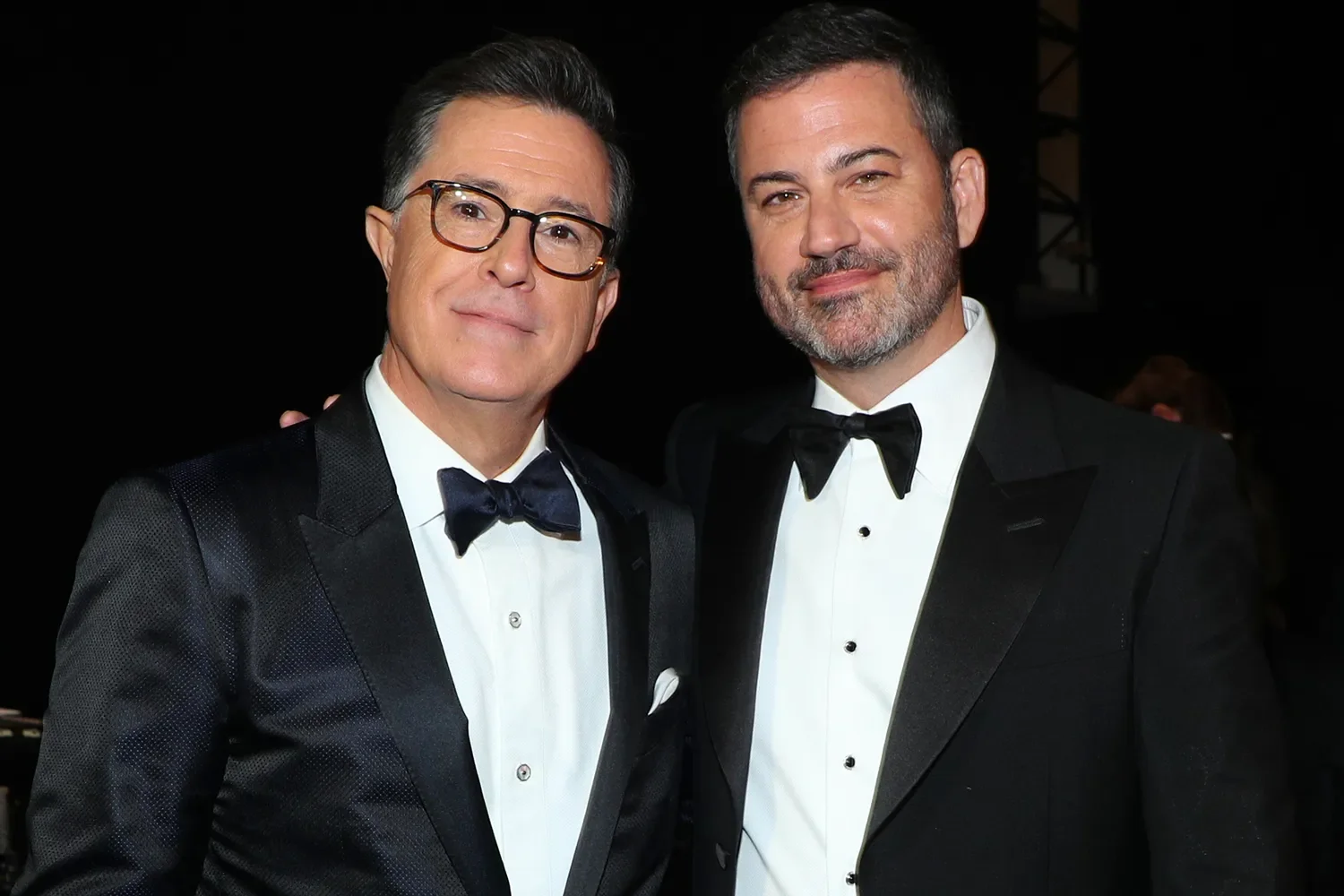
🔥 Jimmy vs The Machine: Late-Night’s Fight for Free Speech

Jimmy Kimmel’s sudden suspension by ABC is no ordinary media scandal - it’s a flashpoint in America’s battle over speech, satire, and state power. What began with a late-night monologue has spiralled into a political showdown involving the FCC, Congress, corporate boardrooms, and the streets outside Kimmel’s Hollywood studio.

At stake isn’t just one host’s career, but whether political leaders can bend the entertainment industry into compliance. And in the backdrop, history’s warning sirens are loud: authoritarian regimes have always started by silencing satirists.

📊 Supporting Stats

  • Pew Research (2024): 76% of Americans say free speech is under threat — the highest level since records began.

  • Reporters Without Borders (2025): U.S. press freedom ranking slipped to 55th worldwide, down 16 places since Trump’s re-election.

  • Nielsen: Late-night shows still pull 12 million nightly viewers combined, making them a rare mass cultural platform.

  • Morning Consult (Sept 2025): #BoycottDisney topped 3M mentions in 24 hours; Disney+ uninstalls rose 18% overnight, and stock dropped 4% in a single day’s trading.

🧠 Decision: Did It Work?
From Trump’s perspective, yes - the FCC’s threats worked. Within hours of Chair Brendan Carr warning affiliates to deal with Kimmel “the easy way or the hard way,” Nexstar, Sinclair, and Disney all pulled Jimmy Kimmel Live!.

From Disney’s perspective, the move bought short-term regulatory peace but at enormous cultural and commercial cost: a consumer boycott, stock dip, protests outside the El Capitan Theatre, and condemnation from Hollywood unions and free speech groups.

Strategically, the late-night bloc’s response did work. Colbert, Stewart, Fallon, Meyers, Letterman, and even Barack Obama reframed the suspension as not about one comedian but about state censorship. Their solidarity makes it harder to normalise - or forget - what just happened.

📌 Parallels to the Propaganda Playbook
The steps are chillingly familiar to how authoritarian regimes, most infamously Nazi Germany, brought media under control:

  1. Delegitimise critics - label comedians and journalists as “immoral” or “unpatriotic.”

  2. Weaponise regulation - use state bodies (FCC then, Reich Ministry of Propaganda then) to punish dissenters.

  3. Co-opt corporations - push private companies to self-censor to protect licences and deals.

  4. Flood with alternatives - amplify state-friendly entertainment while silencing critics.

  5. Normalise censorship - each new suspension feels less outrageous until dissent is erased.

📌 Key Takeouts

  • What happened: Kimmel was suspended after FCC Chair Carr threatened affiliates; Disney caved under pressure.

  • Who spoke up: Colbert, Stewart, Fallon, Meyers, Letterman, and Obama condemned the move.

  • In Congress: Democrats tried to subpoena Carr, but Republicans blocked it in a 24–21 party-line vote, deepening the sense of political capture. Sen. Chris Murphy introduced the “NOPE Act” (No Political Enemies Act) to stop government retaliation against critics, blasting Trump’s FCC threats as “state-speech control, not America.”

  • What worked: Late-night unity shifted the story from “Kimmel vs Disney” to “Comedy vs Authoritarianism.”

  • What didn’t: Disney’s compliance fuelled a mass boycott of Disney+, Hulu, cruises, and theme parks, with a stock market dip and protests outside Kimmel’s studio.

  • Signals: Media brands are now frontline players in the fight over whether corporate America defends free expression or enables its erosion.

🔮 What We Can Expect Next
The fight won’t stop with Kimmel. Fallon, Meyers, and others are already in Trump’s crosshairs. Disney and other networks will face escalating pressure to prove loyalty in exchange for regulatory favour. The real risk is normalisation: censorship creeping step by step until satire is neutered, replaced by compliant voices.

History shows us how fast the slide can be. But it also shows that satire, when united and unbowed, has the power to resist - turning laughter into one of the last surviving languages of truth.

categories: Culture, Impact, Tech
Friday 09.19.25
Posted by Vicky Beercock
 

🎟️ Ticketmaster vs. The Fans: Is the Live Events Monopoly Finally Cracking?

Ticketmaster and Live Nation - the undisputed power players of the live events industry - are facing yet another legal showdown. The Federal Trade Commission, backed by seven states, has filed suit against the companies for allegedly colluding with brokers to inflate resale prices, profiting billions while consumers foot the bill. For an industry already under fire since the 2022 Taylor Swift Eras Tour fiasco, this case could mark a turning point in how live entertainment is bought and sold in the US.

The lawsuit cuts to the heart of two cultural flashpoints: accessibility of live music for everyday fans, and the increasing distrust of “big tech” platforms profiting from opacity and monopoly power.

📊 Supporting Stats

  • $3.7 billion: Ticketmaster’s resale fees between 2019 and 2024, according to the FTC.

  • 80%: Share of major concert venue ticketing controlled by Ticketmaster in the US (FTC).

  • 200 million: Daily bot purchase attempts Ticketmaster claims to block - but the FTC says limits were still flouted.

  • $33 billion: Global live music revenue in 2023, projected to grow to $48 billion by 2027 (Statista).

From a brand perspective, no. This is a reputational nightmare. Ticketmaster’s resale marketplace may be lucrative, but the optics are disastrous. When fans already perceive live music as inaccessible, doubling down on profiteering feeds public anger and political momentum against the brand.

Culturally, the company is cementing itself as the villain of live music - an image reinforced by artists like Taylor Swift and Bruce Springsteen fans who’ve rallied against opaque ticketing practices. Commercially, the billions in resale fees show short-term gain, but with lawsuits, bipartisan political pressure, and audience alienation, the long-term risk outweighs the reward.

📌 Key Takeouts

  • What happened: FTC and seven states accuse Ticketmaster/Live Nation of illegal resale coordination and deceptive pricing.

  • What worked: The resale model drove billions in revenue.

  • What didn’t: Consumer trust and brand credibility collapsed further, leaving artists and fans angry.

  • Signal shift: Regulators are treating ticketing like big tech - a monopolised sector ripe for antitrust action.

  • For brands: Culture now punishes platforms that prioritise extraction over experience. Accessibility is a branding issue, not just a pricing one.

🔮 What We Can Expect Next

The lawsuit amplifies pressure for structural change: potentially breaking up Live Nation-Ticketmaster or enforcing stricter caps on resale practices. Politically, with Trump’s executive order targeting live event monopolies, bipartisan momentum is there.

For fans, this could open the door to new ticketing challengers positioning around fairness and transparency. For artists, the reputational risk of partnering too closely with Ticketmaster may push them toward experimenting with direct-to-fan sales or blockchain-backed ticketing.

The bigger signal? Audiences are demanding cultural access, not corporate gatekeeping. If Ticketmaster continues business as usual, it risks not just lawsuits - but cultural irrelevance.

categories: Music, Tech, Impact, Entertainment
Friday 09.19.25
Posted by Vicky Beercock
 

⚽️ Women’s Football Finally Arrives in Football Manager

VERSUS and Football Manager marked a cultural milestone: the official inclusion of women’s football in FM26. For a franchise that has defined football gaming for decades, the integration of women’s leagues isn’t just a technical update - it’s a long-overdue recognition of the sport’s growth and influence. The invite-only event at Sooo London positioned the announcement not as a patch, but as a cultural statement, framed by a panel of insiders spanning game development, women’s football research, revenue strategy, and grassroots advocacy.

📊 Supporting Stats

  • The women’s game is booming: UEFA reported a 77% increase in registered female players across Europe between 2016–2022 (UEFA, 2023).

  • The 2023 Women’s World Cup drew a record 2 billion global viewers, with the final between England and Spain watched by over 75 million live (FIFA, 2023).

  • Gaming continues to be a key gateway: a Nielsen report found that 41% of Gen Z women who play football video games say it increases their interest in the real sport (Nielsen Esports & Gaming, 2024).

🧠 Decision: Did It Work?

Yes - both culturally and strategically. FM26’s inclusion of women’s football feels authentic because it’s rooted in years of research and licensing rather than a cosmetic bolt-on. By building 36,000+ players and 14 leagues into the game, Sports Interactive is creating visibility and credibility at scale. For fans, this isn’t just symbolic representation: it’s playable, data-driven immersion that legitimises the women’s game within the same ecosystem as the men’s.

Creatively, the move speaks to how gaming can amplify cultural moments. Culturally, it signals to publishers and rights holders that women’s football deserves equal technical investment. Commercially, it opens up new audiences and reinforces Football Manager as a leader in sports simulation.

📌 Key Takeouts

  • What happened: VERSUS and Football Manager launched women’s football in FM26 with an event and panel celebrating its cultural impact.

  • What worked: Years of development, licences for WSL and NWSL, and the scale of the database make this more than a token gesture.

  • Cultural signal: Women’s football is now mainstream enough to anchor one of gaming’s most iconic franchises.

  • Brand lesson: True integration requires investment, research, and credible partnerships - not just surface-level inclusion.

🔮 What We Can Expect Next

Expect ripple effects across both sport and gaming. Other franchises (FIFA/EA Sports FC, eFootball) have already dipped into women’s football, but Football Manager’s approach - deep, data-heavy, and systemic - sets a new benchmark. As players experience managing women’s teams with the same depth as men’s, it could influence fandom, scouting visibility, and even grassroots perception.

The risk? Fatigue if representation isn’t matched by continuous updates, or if cultural momentum outpaces in-game authenticity. But for now, the message is clear: women’s football isn’t a side mode - it’s part of the game.

categories: Impact, Sport
Friday 09.19.25
Posted by Vicky Beercock
 

🔥 From the Stands to the Stage: Oasis, Lech Poznań and the Global Life of a Celebration

What began as a local fan ritual in Poznań has become a three-way cultural handshake between football, music, and global fandom. When Noel Gallagher shared Lech Poznań’s emotional thank-you letter, it crystallised just how far a single terrace tradition can travel. The “Poznań” - fans turning their backs to the pitch and bouncing in unison - went from a Europa League tie in 2010 to Manchester City’s identity, and now, to a staple of Oasis’ reunion tour.

📊 Supporting Stats:

  • Fan rituals are increasingly crossing borders: WARC notes that 47% of Gen Z say shared crowd experiences are a key reason they attend live events.

  • Music’s crossover with football is a growing commercial play. Statista reports that global music-tour revenues hit $28bn in 2024, while the UEFA Champions League’s global broadcast reach exceeds 450m viewers - shared rituals like the Poznań sit right at this intersection.

  • Even the Cambridge Dictionary now officially recognises “the Poznań” - proof of how deeply it has penetrated cultural consciousness.

🧠 Did It Work?
Absolutely. Oasis adopting the Poznań achieves two things at once:

  • For the band, it makes their reunion tour feel bigger than a playlist of nostalgia; it’s about shared belonging, plugging into football culture to extend the party.

  • For Lech Poznań, it’s free global PR - their city’s name bouncing around stadiums from Chicago to Seoul. A fan ritual born in Poland is now celebrated on the world’s biggest stages.

The emotional resonance of the thank-you letter seals the deal: this is a rare instance of cultural borrowing where everyone wins.

📌 Key Takeouts:

  • Oasis made the Poznań part of their live DNA, turning gigs into stadium atmospheres.

  • Manchester City popularised it in England, but its roots are proudly Polish — and Lech Poznań leaned into that origin story.

  • The gesture positions Oasis as plugged into football culture, not just Britpop nostalgia.

  • It highlights how rituals can evolve from hyperlocal to global with the right stage and audience.

  • For brands, it’s a reminder: authentic adoption of grassroots culture travels furthest when originators are credited and celebrated.

🔮 What We Can Expect Next:
The Poznań shows how terrace traditions can transcend their original context without losing meaning. Expect more bands, festivals and even lifestyle brands to mine supporter culture - chants, gestures, visual cues - as a way of engineering instant community. The risk? Over-commercialisation. What feels authentic in Oasis’ hands could feel hollow if shoehorned into, say, a soft drink campaign. But right now, the Poznań’s bounce still belongs to the fans.

categories: Sport, Impact, Music
Friday 09.19.25
Posted by Vicky Beercock
 

⚽ Leeds Eyes 2035 Women’s World Cup Stage

Leeds is positioning itself as a potential host city for the 2035 FIFA Women’s World Cup, part of the UK’s multi-nation staging of the tournament. With Elland Road set for a major redevelopment - pushing capacity to 56,500 and making it the seventh-largest football ground in England - the city is pitching hard to secure up to seven matches. For Leeds United and the council, this is about more than football: it’s a chance to cement the city as a global sports destination.

📊 Supporting Stats

  • The 2023 FIFA Women’s World Cup drew a record 2 million in-person attendees and 2 billion global viewers (FIFA, 2023).

  • The Lionesses’ Euro 2022 victory boosted UK grassroots participation in women’s football by 12% year-on-year (Sport England, 2023).

  • Redeveloped Elland Road would leapfrog several historic grounds in size, aligning Leeds with Europe’s top event-hosting stadia.

  • Major events have already put Leeds on the map: the 2014 Tour de France Grand Départ attracted 2.5m spectators in Yorkshire, generating an estimated £128m economic impact (UK Sport, 2015).

🧠 Decision: Did It Work?

From a brand and city strategy perspective, this move makes sense. Leeds has both the infrastructure pedigree (rugby, triathlon, cycling, cricket) and the cultural momentum (women’s football at record highs) to host. The Elland Road expansion provides the scale FIFA demands, while also positioning Leeds United as a club with elite facilities. For sponsors and local businesses, hosting means visibility, tourism, and long-term association with the fastest-growing sport in the world.

The risk? Competition. London, Manchester, and Glasgow carry stronger global name recognition, and FIFA tends to favour major capitals. But Leeds can counter this by leaning into its proven ability to host and activate around mass-participation sport - a grassroots credibility FIFA values in the women’s game.

📌 Key Takeouts

  • Leeds is bidding to host up to seven games at the 2035 Women’s World Cup.

  • Elland Road redevelopment (capacity 56,500) puts it in the UK’s elite stadium tier.

  • Women’s football continues to boom, both in audience numbers and grassroots participation.

  • Leeds’ event track record (Tour de France, rugby world cups, triathlon) strengthens its case.

  • The bid balances civic pride with brand growth for Leeds United, embedding the city further in global sport.

🔮 What We Can Expect Next

If successful, Leeds will lock in a decade of positioning as a world-class event host, fuelling tourism, brand partnerships, and cultural capital. Even if the bid falls short, the Elland Road expansion and the narrative of Leeds as a sporting hub will continue to benefit the club and the city. Expect brands with roots in Yorkshire - from sportswear to beer - to rally behind the bid, and if Leeds makes the cut, the 2035 Women’s World Cup could be the city’s biggest global stage since the Tour de France rolled through.

categories: Sport, Impact
Friday 09.19.25
Posted by Vicky Beercock
 

🔥 From Turin to Tribeca: Adidas x Kith Call in Pogba & Dybala for ’98-Inspired Drop

Adidas and Kith’s second collaboration of 2025 lands with a bigger stage presence - calling in Paul Pogba and Paulo Dybala, two players who embody football’s crossover into fashion and lifestyle. The collection taps into France ’98 aesthetics with flame artwork, pinstripes and archive silhouettes, bridging the nostalgia of late-90s World Cup jerseys with today’s streetwear ecosystem.

For Adidas, the partnership reasserts its dominance in the football-lifestyle space, while for Kith it strengthens the brand’s credentials as a global cultural curator beyond New York hype cycles. Pogba and Dybala, both recognised as much for their off-pitch fashion choices as their on-field brilliance, bring credibility to the campaign in ways few athletes can.

📊 Supporting Stats

  • Retro football is big business: resale platform StockX reported a 200% year-on-year growth in searches for vintage Adidas jerseys in 2024 (StockX, 2024).

  • The global licensed sports merchandise market is projected to reach $34.6 billion by 2027 (Statista, 2025), with retro-inspired kits and lifestyle collabs driving growth.

  • Athlete influence matters: research from Nielsen (2024) shows 56% of Gen Z consumers follow athletes for fashion inspiration, blurring the line between sportswear and streetwear.

🧠 Decision: Does It Work?

Yes - strategically, this is a smart play. Adidas deepens its archive storytelling while keeping relevance with sneaker and lifestyle audiences through Kith. Pogba and Dybala reinforce the cultural weight of footballers as modern-day style icons.

Creatively, the denim-heavy approach may split opinion, but it pushes the boundaries of football-inspired apparel beyond just reissued kits. Commercially, the mix of heritage silhouettes (Supernova Indoor, Predator Sala) with premium lifestyle execution positions the drop as both collectible and wearable.

The only caveat? Adidas risks leaning too heavily on nostalgia at a time when Gen Z increasingly values fresh cultural codes over constant retro reissues. But paired with Pogba and Dybala, the capsule feels more like a cultural re-interpretation than a lazy throwback.

📌 Key Takeouts

  • What happened: Adidas x Kith’s second 2025 collab fronted by Pogba and Dybala, inspired by 1998 World Cup aesthetics.

  • What worked: Strong athlete alignment, deep archive storytelling, balance of collectible footwear and lifestyle-ready apparel.

  • Signals: Football remains a central driver of global streetwear; athlete-as-style-icon is now mainstream; collaborations need credible storytellers, not just retro hooks.

  • For marketers: This shows the continued value of anchoring brand stories in sport while elevating through credible cultural partnerships.

🔮 What We Can Expect Next

Expect more luxury-streetwear-football crossovers - especially as the countdown to the 2026 World Cup in North America intensifies. Brands will look to athletes as lifestyle leaders, not just sports endorsers. Adidas and Kith’s move suggests we’ll see deeper archive mining - but the challenge will be finding ways to remix heritage without exhausting the retro playbook.

categories: Fashion, Sport, Culture
Friday 09.19.25
Posted by Vicky Beercock
 

🔥 Immersive Sheeran: Spotify’s Bet on the Album as an Experience

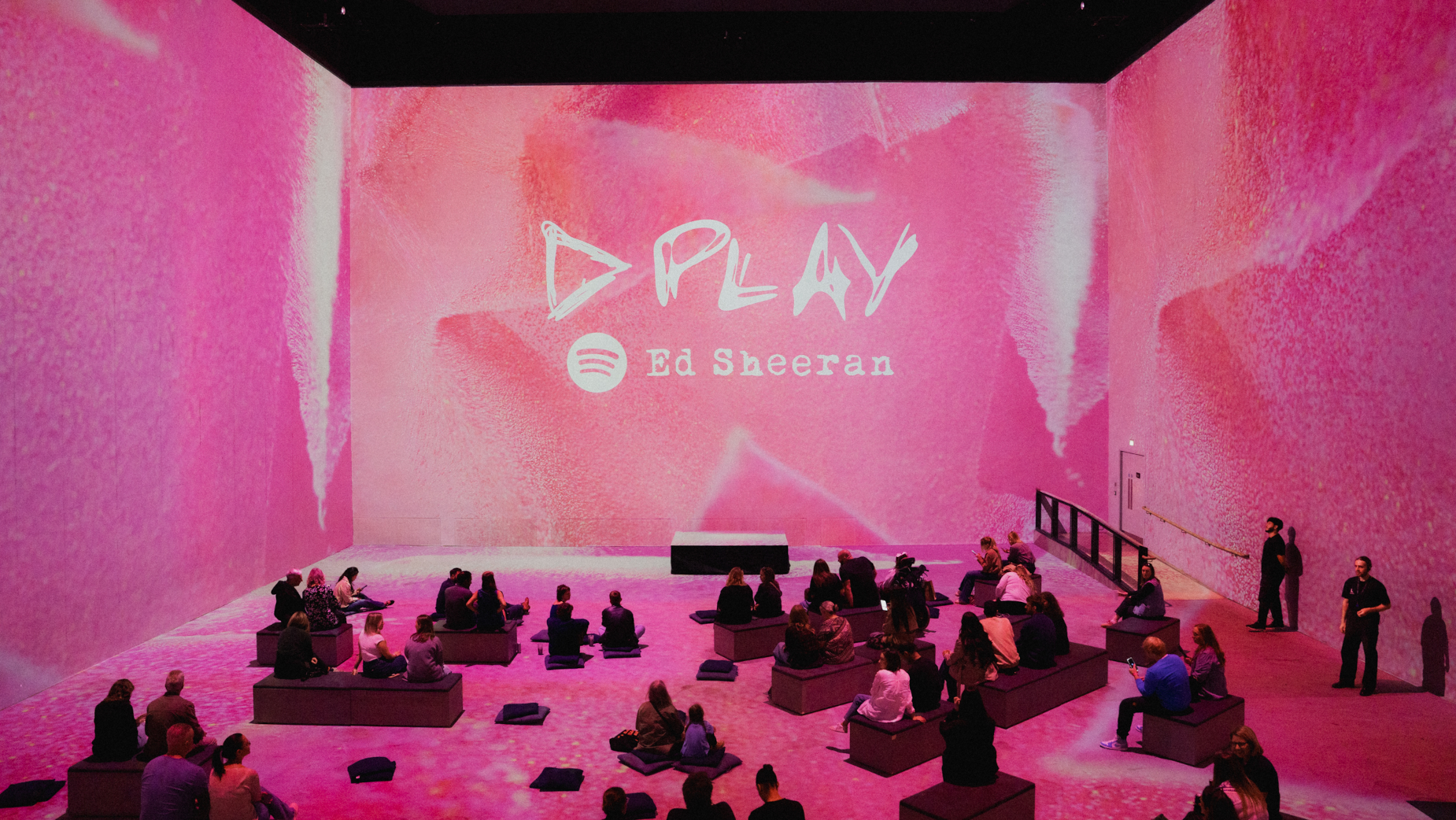
In an era where music is fragmented across TikTok trends and Spotify playlists, the album as a cultural artefact has struggled to hold attention. Enter Spotify’s immersive campaign for Ed Sheeran’s Play. Instead of a standard drop, fans were invited to step inside the music - with cinematic visuals, high-definition sound, and even a surprise Q&A with Sheeran himself. This wasn’t about streaming numbers, it was about reimagining what it means to “experience” an album.

📊 Supporting Stats

  • Global album listening has declined, with playlists now making up 32% of total listening on Spotify compared to albums at just 22% (IFPI, 2024).

  • Immersive events are booming: ticket sales for experiential music activations grew 28% year-on-year (WARC, 2025).

  • Ed Sheeran remains a top streaming artist globally, with over 110 million monthly Spotify listeners in 2025, making him a natural test case for this format.

🧠 Decision: Did It Work?

Yes - commercially and culturally. Spotify leveraged Sheeran’s mass appeal to reframe the album as a cultural event rather than a background playlist. The Lightroom event, paired with surprise live activations, created the kind of shareable moments that cement loyalty among superfans while also signalling to the industry that Spotify isn’t just a passive platform but an active curator of music culture.

What makes this work strategically is the alignment between artist equity and platform innovation. Sheeran has mainstream reach but often faces criticism for lacking “cool factor” in cultural spaces. Spotify’s immersive staging reframes him as an artist with vision - and by extension, reinforces Spotify as the platform that makes music an experience, not just a commodity.

📌 Key Takeouts

  • What happened: Spotify launched Sheeran’s Play with an immersive album experience at Lightroom, blending sound, visuals and live fan interaction.

  • What worked: Multi-sensory staging, surprise moments (Q&A, street gig) and platform alignment elevated the album beyond streaming.

  • Signal for brands: Consumers crave depth in a world of surface-level scroll culture. Immersive activations are becoming the new premium for fan engagement.

  • Strategic move: Spotify positions itself not only as a tech service but as a cultural stage, differentiating from Apple Music or Amazon, which lag in experiential offerings.

🔮 What We Can Expect Next

Expect more artists - especially those with strong visual or narrative identities - to partner with Spotify for immersive album rollouts. Think Beyoncé’s Renaissance-style worlds or Travis Scott’s gaming crossovers. But the risk is fatigue: if every drop becomes an “immersive experience,” exclusivity erodes and execution costs rise. For now, Sheeran’s Play proves the model: make the album a cultural event again, and audiences will show up.

That said, Spotify’s cultural capital remains fragile - with ongoing artist boycotts over CEO Daniel Ek’s links to Israeli arms investments casting a shadow over its innovation narrative.

categories: Culture, Music, Tech
Friday 09.19.25
Posted by Vicky Beercock
 

🎨 KAWS x Uniqlo: Residency or Retail Strategy?

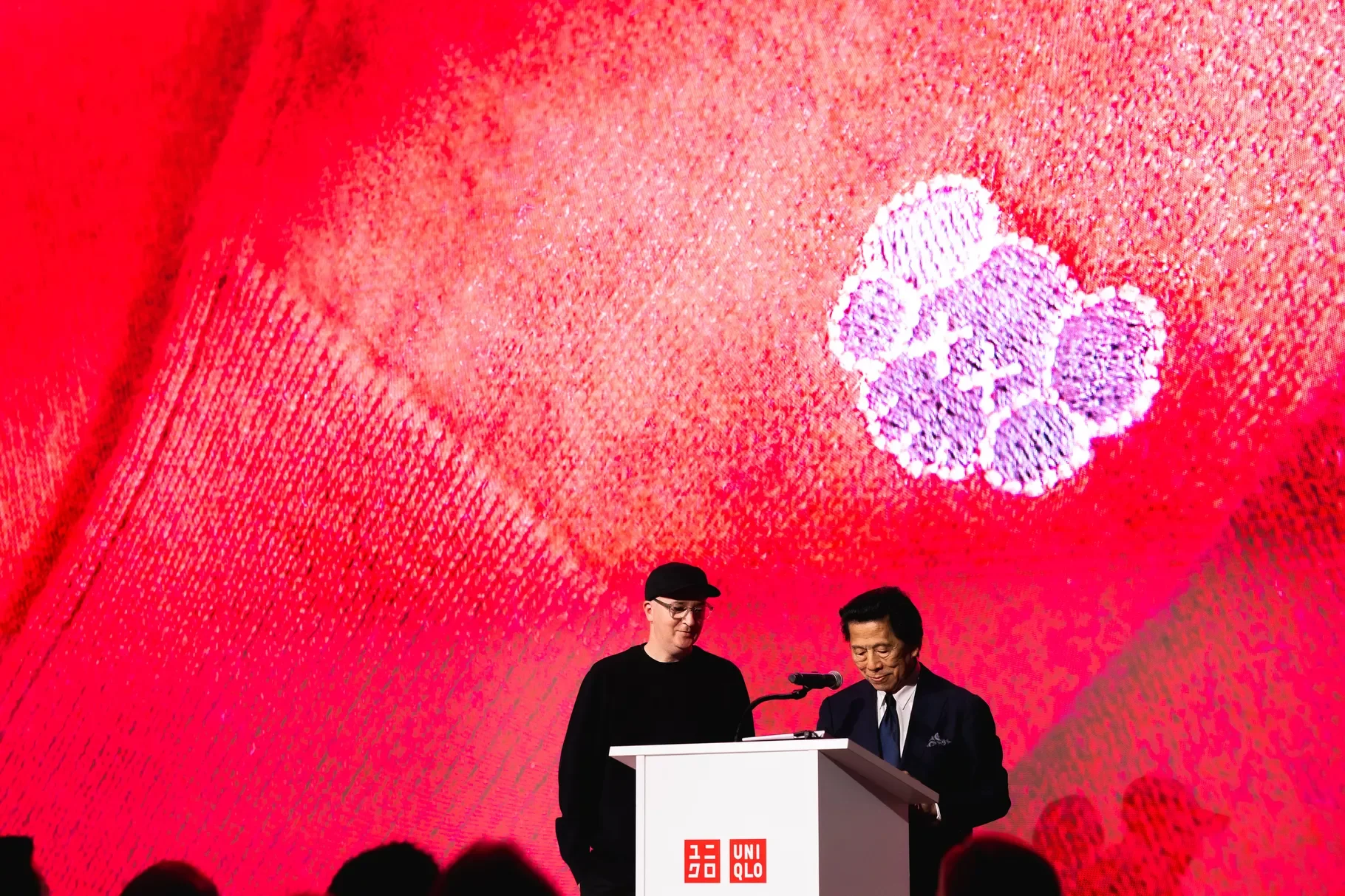
Uniqlo has named KAWS its first-ever artist-in-residence - a move that signals more than another drop with the hypebeast favourite. Since their first collab in 2016, Uniqlo and KAWS have turned the humble graphic tee into a global resale frenzy, with capsule collections selling out in minutes and flooding StockX. Now, instead of a seasonal collab, Uniqlo is formalising KAWS as part of its brand architecture, embedding him into its “Art for All” mission.

But is this about art, or about brand equity?

📊 Supporting Stats

  • Uniqlo’s global sales in FY2024 hit ¥2.77 trillion ($18.6B), with UT (Uniqlo T-Shirts) consistently driving youth engagement (Fast Retailing annual report).

  • The global art market reached $65B in 2023, with branded collaborations increasingly driving accessibility and audience expansion (Art Basel & UBS Report).

  • Uniqlo’s 2019 KAWS x Sesame Street collab saw resale prices spike to 5–10x retail within hours on platforms like Grailed and StockX (Hypebeast data).

🧠 Decision: Does It Work?

Yes - strategically, this is sharp.

By naming KAWS “Artist-in-Residence,” Uniqlo moves from opportunistic collabs to institutional credibility. It’s no longer just “KAWS on tees,” but a broader positioning: Uniqlo as the everyday cultural access point to art. This fits neatly into its museum partnerships (MoMA, Tate, Louvre) and elevates its UT line beyond fandom merch.

For KAWS, it extends his art-as-lifestyle thesis while avoiding overexposure. As residency implies curation, not just product, he gets to frame other voices under his umbrella - critical for an artist accused of leaning too heavily on merch.

The risk? Dilution. Residency suggests longevity, but hype cycles demand scarcity. If Uniqlo floods the market with “KAWS-as-institution” product, the cultural heat could cool.

📌 Key Takeouts

  • What happened: Uniqlo appointed KAWS as its first-ever artist-in-residence, formalising their long-running collab.

  • What worked: Positions Uniqlo as an accessible art platform, not just a fashion retailer. Gives KAWS cultural permanence beyond hype cycles.

  • Signals: Fashion brands are moving from collabs to long-term cultural residencies, embedding artists into brand DNA.

  • For marketers: The future isn’t just drops; it’s sustained cultural integration. But beware the balance between accessibility and exclusivity.

🔮 What We Can Expect Next

Expect Uniqlo to lean into this as a cultural flywheel: KAWS-curated in-store events, tie-ins with museum partnerships, and global marketing that reframes UT as “wearable art.” Other mass brands will likely follow, moving from collabs to formalised “artist-in-residence” models to keep cultural credibility locked in.

The big question: can KAWS keep Companion fresh in a world where resale culture is cooling, and audiences crave what feels rare? If Uniqlo plays this too safe, the hype fades. But if they use KAWS to onboard a new wave of artists, they could turn UT into the global entry point for contemporary art.

categories: Fashion, Culture
Friday 09.19.25
Posted by Vicky Beercock
 
Newer / Older