• Work Overview
  • About
  • Partnerships
  • Testimonials
  • On The Record
  • Linkedin

Vicky Elmer

(nee Beercock) | VP-Level Global Communications & Marketing Leader | Brand, Culture, Reputation

  • Work Overview
  • About
  • Partnerships
  • Testimonials
  • On The Record
  • Linkedin

Tariff Threats, Cultural Fallout: How Trump's Trade War Shapes Brand Influence in Sports, Music, Entertainment, Alcohol, Beauty, Tech, Gaming, and Luxury Fashion

As Donald Trump escalates his rhetoric around tariffs and trade wars, brands across sports, music, entertainment, alcohol, beauty, tech, gaming, and luxury fashion face a new wave of uncertainty. While tariffs are traditionally discussed in economic terms, their ripple effects extend far beyond pricing and supply chains—impacting cultural relevance, brand positioning, and consumer sentiment in profound ways.

The Fragility of Cultural Capital

For brands, cultural relevance isn’t just about selling products—it’s about shaping conversations, driving engagement, and building communities. Tariffs disrupt this equilibrium by forcing brands to rethink their partnerships, pricing, and global market strategies. In industries reliant on cultural cachet—where perception is everything—this unpredictability is a dangerous game.

Music, Entertainment & Sports: A Collateral Cultural War

The music and entertainment industries are deeply intertwined with global trade. Merchandising, touring, streaming, and even the availability of musical instruments and production equipment are all vulnerable to tariff hikes. If Trump's policies trigger retaliatory measures from key markets like Europe or China, artists and entertainment brands could face rising costs, regulatory hurdles, and strained international relationships.

Canada has already warned of the impact of tariffs on the live music industry, with the Canadian Live Music Association’s president and CEO, Erin Benjamin, highlighting the uncertainty caused by these threats. While acknowledging the risks, she also pointed to opportunities for the domestic music scene, reinforcing the importance of supporting local talent. Similarly, Spencer Shewen, artistic director of the Mariposa Folk Festival, noted that Canadian talent is becoming even more dominant in response to these trade disruptions. (rootsmusic.ca)

Sports brands, which thrive on cross-border sponsorships and global fan engagement, also risk disruption. If tariffs hit apparel and footwear—industries already navigating economic headwinds—companies like Nike, adidas, and Puma may pass costs onto consumers, affecting accessibility and eroding brand loyalty. Meanwhile, American sports leagues with international ambitions (such as the NBA and MLS) may face backlash if geopolitical tensions sour overseas market expansion.

Alcohol & Beauty: Luxury, Exclusivity, and Market Volatility

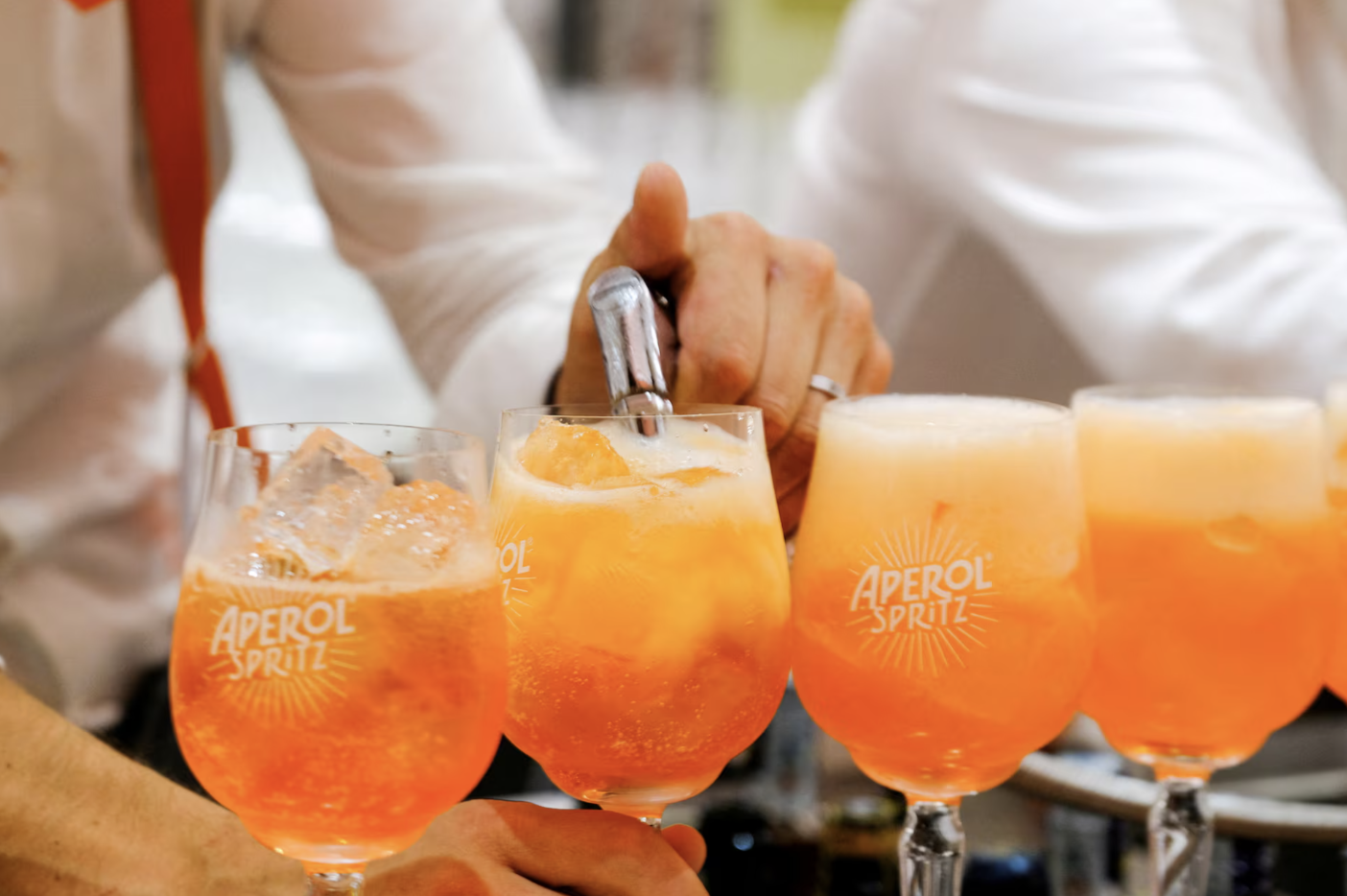
The alcohol and beauty industries thrive on perception. Luxury spirits and premium beauty brands are global status symbols, carefully curated to resonate across cultures. But tariffs on European imports—think Scotch whisky, Champagne, and premium fragrance houses—create pricing volatility that alters the aspirational appeal of these products. Trump’s recent threat of a 200% tariff on European wines, Champagnes, and spirits has raised alarms among U.S. importers and retailers, with industry leaders warning of drastic reductions in demand. 

This isn’t just an economic issue; it’s a cultural one. If once-affordable luxury becomes unattainable, brand desirability could shift, opening the door for regional competitors to fill the void.

Luxury Fashion: The Price of Prestige

Luxury fashion is particularly vulnerable to tariffs, as it relies heavily on European craftsmanship and heritage. Iconic brands like Louis Vuitton, Chanel, Gucci, and Prada may face higher import duties on leather goods, handbags, and apparel. This could force them to either absorb the cost, reduce margins, or increase prices—potentially alienating aspirational consumers and affecting desirability.

A significant part of luxury fashion’s cultural relevance stems from its accessibility at various levels, whether through entry-level products like perfumes and accessories or high-end ready-to-wear collections. If tariffs disrupt this balance, the exclusivity that defines luxury could shift—creating an opportunity for emerging designers or locally produced alternatives to capture market share.

Additionally, the resale market—driven by platforms like The RealReal and StockX—could also be affected, as pricing adjustments ripple through the industry. This would impact not only luxury houses but also the broader ecosystem of influencers, stylists, and cultural tastemakers who contribute to brand storytelling and desirability.

Tech & Gaming: The Cost of Innovation

Tech and gaming are arguably the most exposed industries in this scenario. Manufacturing dependencies in China, Taiwan, and South Korea make hardware companies and gaming brands vulnerable to cost spikes. PlayStation, Xbox, and PC gaming brands may be forced to adjust pricing or delay product launches. Meanwhile, content creators—whose cultural influence extends beyond gaming into music, fashion, and film—may find sponsorship deals and brand collaborations disrupted as companies cut budgets in response to rising costs.

Analysis suggest that these tariff measures could lead to a 0.3% decrease in the U.S. GDP and a 0.2% reduction in the capital stock, reflecting potential declines in investment and economic growth. 

The Brand Strategy Imperative

For brands navigating this turbulent landscape, staying culturally relevant requires more than just financial agility. The brands that will emerge strongest are those that:

  1. Double Down on Localised Storytelling: Brands should pivot their marketing strategies to lean into regional narratives, ensuring resonance even if global trade frictions impact accessibility.

  2. Strengthen Authentic Collaborations: Strategic partnerships with artists, athletes, and cultural icons can help maintain brand desirability despite economic uncertainty.

  3. Emphasise Sustainability & Ethical Sourcing: In a world increasingly driven by conscious consumerism, brands that champion domestic production, sustainability, and ethical sourcing can turn trade challenges into opportunities.

  4. Adapt Pricing & Accessibility Strategies: Flexible pricing models, exclusive drops, and creative bundling can help maintain consumer interest despite tariff-induced cost fluctuations.

Final Thought: Tariffs as a Cultural Test

Trump’s tariff threats aren’t just about economics; they’re a litmus test for brand resilience in an era of geopolitical and cultural flux. The most successful brands won’t just react to economic policy—they’ll shape their own narratives, ensuring they remain relevant, desirable, and culturally indispensable in a world that’s constantly shifting beneath their feet.

The question is: will your brand weather the storm, or will it become another casualty of cultural irrelevance?

categories: Impact, Beauty, Culture, Fashion, Gaming, Music, Sport, Tech
Tuesday 03.18.25
Posted by Vicky Beercock
 

Turning 2025’s Cultural Trends into Lasting Brand Impact

As we move through 2025, cultural shifts are fundamentally reshaping how brands communicate with their audiences. Authenticity, hyper-personalisation, and community-driven marketing are no longer just trends—they are becoming the new foundation of brand-consumer relationships. However, brands that simply react to these shifts risk short-term engagement at best and irrelevance at worst.

To create marketing messages that resonate today and remain impactful in the long run, businesses must evolve beyond trend adoption and embed these shifts into their core brand DNA.

Here’s what’s shaping marketing this year—and how brands can turn fleeting trends into lasting strategies.

1. From Trend-Driven Authenticity to Deep Brand Transparency

The Trend:

With growing scepticism around fake reviews and AI-generated content, consumers demand real connections. They expect brands to be open, honest, and consistent in how they present themselves, with storytelling rooted in real experiences rather than curated perfection.

The Long-Term Strategy:

Authenticity cannot be a seasonal campaign—it must be embedded into every touchpoint of a brand’s identity. This means:

  • Owning Your Imperfections: Consumers trust brands that acknowledge challenges and show how they’re improving, rather than pretending to be flawless.

  • Radical Transparency: Brands like Everlane set the bar by breaking down costs and sourcing details—expect more brands to follow suit.

  • Real Voices Over Scripted Content: Long-term relationships with brand advocates, rather than one-off influencer partnerships, build credibility over time.

2. From AI-Driven Personalisation to Relationship-Building at Scale

The Trend:

AI is reshaping content delivery, enabling hyper-personalised interactions tailored to individual consumer preferences. Gartner predicts that by 2025, 30% of large organisations’ outbound marketing will be AI-generated.

The Long-Term Strategy:

The future of personalisation isn’t just about tech—it’s about using AI to enhance human connection, not replace it.

  • From Data Collection to Meaningful Engagement: Brands should use AI to listen to consumers and create marketing that feels like a conversation, not just targeted ads.

  • Sustainable Personalisation: AI-driven marketing must be privacy-conscious and transparent—brands that build trust in data usage will win in the long run.

  • AI + Human Creativity: The best brand strategies will balance efficiency with emotional resonance, ensuring AI enhances creativity rather than diluting it.

3. From Interest Clans to Community-Centric Brand Loyalty

The Trend:

Consumers are forming micro-communities based on shared passions rather than demographics. These “interest clans”—from niche subcultures to fandom-driven groups—are shaping purchasing decisions more than ever.

The Long-Term Strategy:

Traditional one-size-fits-all marketing is becoming obsolete. Instead, brands need to embed themselves within communities rather than marketing at them.

  • Invest in Long-Term Community Building: Instead of one-off campaigns, brands should create dedicated spaces for engagement (e.g., Discord servers, brand-owned platforms, experiential events).

  • Champion Subcultures Before They Go Mainstream: The most culturally relevant brands invest in emerging movements early rather than hopping on the bandwagon once they trend.

  • Facilitate Peer-Led Conversations: Community members trust each other more than they trust brands—enabling user-generated content, co-creation, and advocacy will drive long-term loyalty.

4. From Nostalgia Marketing to Multi-Generational Storytelling

The Trend:

In a world of uncertainty, nostalgia offers comfort. Whether it’s Y2K aesthetics, ‘90s branding, or retro product revivals, nostalgia-driven marketing is thriving.

The Long-Term Strategy:

Nostalgia can’t be a gimmick—it must be woven into a brand’s legacy and storytelling in a way that evolves over time.

  • Reviving Heritage with a Modern Lens: The most effective nostalgia campaigns blend the past with cultural relevance today (e.g., how Adidas Originals revives archival styles while staying contemporary).

  • Cross-Generational Connection: Brands should leverage nostalgia not just to appeal to those who lived through an era but also to introduce younger audiences to timeless cultural moments.

  • From Look & Feel to Meaning: Rather than just aesthetic throwbacks, successful nostalgia campaigns tap into the emotions and values of past eras in a way that resonates today.

5. From Performative Inclusivity to Embedded Representation

The Trend:

Consumers no longer view diversity and inclusivity as a marketing trend—it’s now an expectation. Tokenistic representation is quickly called out, while brands that champion inclusivity meaningfully are rewarded with long-term loyalty.

The Long-Term Strategy:

Brands must move beyond representation in campaigns and embed it into their workplace, products, and partnerships.

  • Diversity Behind the Scenes: Representation in leadership, product development, and creative teams must be as diverse as the campaigns themselves.

  • Collaborate, Don’t Appropriate: Work with cultural leaders and communities rather than treating inclusivity as an aesthetic.

  • Consistency Over Headlines: Instead of big, one-time DEI campaigns, brands that integrate inclusivity into their everyday communications will build deeper consumer trust.

6. From Cross-Industry Collaborations to Sensory-Driven Brand Experiences

The Trend:

The blending of food, fashion, and lifestyle in marketing reflects a shift towards multi-sensory brand experiences. Consumers seek more immersive, tangible connections with brands.

The Long-Term Strategy:

Brands that master experiential marketing will engage multiple senses, not just visuals.

  • Blurring the Lines Between Industries: Expect more collaborations like Fendi x Tiffany’s café pop-ups or beauty brands launching food-inspired collections to create unexpected, memorable brand moments.

  • Interactive Experiences Over Traditional Ads: Consumers want to engage with brands in real life—through taste, touch, sound, and scent. Brands investing in immersive experiences (e.g., multi-sensory pop-ups, interactive retail, AR-enhanced storytelling) will stand out.

  • From Products to Cultural Moments: Successful campaigns will go beyond product promotion and create cultural conversations and rituals around brand experiences.

The Future of Cultural Relevance in Marketing

The brands that win in 2025 and beyond won’t be the ones reacting to every trend—they’ll be the ones shaping culture in a way that feels authentic, immersive, and deeply embedded in community values.

Staying relevant isn’t about keeping up—it’s about standing for something.

Brands that evolve their marketing messages from fleeting trends into long-term cultural influence will not just capture attention—they’ll build lasting relationships in an ever-changing world.

categories: Impact, Culture
Sunday 03.16.25
Posted by Vicky Beercock
 

Why Consumers Don’t Shop Their Values – And How Brands Can Fix It

Why Consumers Don’t Shop Their Values — and How to Change That

Purpose fatigue is real. Consumers are bombarded with brands championing sustainability, ethics, and social impact, yet their actual purchasing behaviour rarely aligns with these values. The intention-action gap—the chasm between what people say they believe in and how they actually shop—has only widened as scepticism around corporate virtue-signalling grows.

For brands, this presents a stark reality: performative purpose no longer cuts it. Consumers are exhausted by empty promises and premium-priced ethical options that feel more like a luxury than a standard. So, how do we close the gap and make values-driven shopping the default rather than an exception?

The Myth of the Conscious Consumer

The idea of the conscious consumer is an attractive one, but real-world shopping decisions are shaped by more immediate concerns: price, convenience, and habit. While studies consistently show that most consumers claim to prioritise sustainability and ethics, sales data tells a different story. A 2023 McKinsey report found that while 66% of consumers say they’re willing to pay more for sustainable goods, only 25% actually do.

This discrepancy stems from several factors:

  1. Purpose Fatigue – The overuse of social impact messaging has led to consumer cynicism, with many questioning whether brands genuinely care or are simply capitalising on trends.

  2. Price Sensitivity – Ethical and sustainable products often come with a higher price tag, making them inaccessible for many shoppers.

  3. Convenience Over Conscience – Consumers are creatures of habit. If a purpose-driven brand isn’t as readily available as mainstream alternatives, it will struggle to gain traction.

  4. Emotional vs. Rational Decision-Making – Shopping is impulsive and emotionally driven; values tend to play a secondary role in real-time decision-making.

Closing the Gap: How Brands Can Drive Action

Bridging this gap requires brands to move beyond surface-level storytelling and into systemic shifts that make values-based shopping effortless. Here’s how:

1. Make Purpose Practical

Consumers are fatigued by brands that talk about purpose but fail to integrate it into their actual business models. The key is making sustainability and ethics a seamless part of the shopping experience—no guilt trips or upcharges required. Patagonia’s Worn Wear programme, which promotes product longevity over new purchases, is a prime example of a brand making purpose actionable rather than aspirational.

2. Reframe Value, Not Just Values

Consumers hesitate to spend more on sustainability, but they will invest in quality, durability, and experience. Brands need to position their purpose-driven offerings as superior products first, with ethics as a natural bonus rather than the main selling point. Veja built a cult following not just on sustainability but on style and quality—proving that ethics alone won’t create demand.

3. Default to Better Choices

The easiest way to drive values-based shopping? Remove the friction altogether. Starbucks’ decision to automatically include plant-based milk in select markets unless consumers opt out is a perfect example of behavioural nudging. If ethical choices are the default rather than an alternative, consumers will follow without needing to be convinced.

4. Build Trust Through Radical Transparency

Greenwashing has led to widespread scepticism, making transparency the new currency of credibility. Brands like Allbirds and Everlane set the benchmark by sharing detailed breakdowns of costs, carbon footprints, and ethical practices. Consumers are tired of vague claims—they want proof.

5. Shift Culture, Not Just Marketing

Purpose-driven brands can’t rely on messaging alone; they need to embed their values into culture. The rise of thrifting and second-hand fashion isn’t just about sustainability—it’s a cultural movement driven by Gen Z’s influence and the aesthetics of vintage fashion. Brands that align with genuine cultural shifts rather than forced marketing narratives will earn lasting relevance.

The Future of Values-Driven Shopping

The brands that will win in this space aren’t the ones shouting the loudest about purpose—they’re the ones quietly making ethical choices the easiest, most desirable, and most practical option.

Consumers aren’t tired of purpose itself; they’re tired of brands that treat it as a trend rather than a fundamental shift. The future isn’t about telling people what they should care about—it’s about making it impossible for them to ignore.

categories: Impact, Culture
Sunday 03.16.25
Posted by Vicky Beercock
 

Beyond Trend-Chasing: How to Build Cultural Staying Power

Cultural influence isn’t about hopping on the next big trend—it’s about shaping the narrative, setting the agenda, and making sure people want in. The brands that dominate today aren’t those chasing relevance—they’re the ones deciding what’s relevant.

The landscape is shifting. AI is rewriting engagement. Collaborations have evolved from hype-stunts to cultural alliances. And after years of “brand purpose” overload, consumers are over the performative activism. Brands have a choice: build something that lasts or get lost in the churn.

1. Own the Culture—Don’t Chase It

Nike. Balenciaga. Telfar. They don’t react to trends. They set them.

  • Nike knew that backing athlete activism wasn’t a risk—it was a cultural inevitability. They bet on Kaepernick before most brands knew where to stand.

  • Balenciaga redefined high fashion by embracing irony, dystopia, and the absurd. They made Crocs cool. Twice.

  • Telfar didn’t beg for a seat at the table. They built their own. The brand’s "Not for You—for Everyone" model flipped luxury on its head.

The takeaway? Stop waiting for a trend report to tell you what’s next. Decide what’s next.

2. Collaborations Are No Longer a Cheat Code

For years, slapping two logos together was enough to generate hype. That era is over. The new collaborations aren’t about branding—they’re about cultural collision.

  • MSCHF x Crocs wasn’t a partnership; it was a statement on how far absurdity can go in fashion.

  • Martine Rose x Nike didn’t just drop another sneaker—it distorted the entire silhouette, forcing consumers to rethink what’s desirable.

  • Louis Vuitton x Tyler, the Creator isn’t about star power. It’s about working with actual tastemakers, not just famous faces.

Collabs today have to be unexpected, deeply intentional, and culture-led—otherwise, they’re just noise.

3. AI Isn’t Just a Tool—It’s the New Creative Director

Consumers now expect brands to know them better than they know themselves. AI-driven personalisation is no longer a gimmick—it’s the baseline.

  • Spotify Wrapped isn’t just an annual recap. It’s a cultural event that turns every user into a brand evangelist.

  • Stitch Fix is training AI to style consumers better than they can style themselves.

  • NotCo is using AI to outsmart food giants, creating plant-based alternatives that taste better than the original.

Brands that fail to integrate AI into their strategy will lose consumer engagement, period.

4. Purpose Fatigue is Real—So Either Mean It or Drop It

Consumers don’t need another brand manifesto. They need action. The brands still winning on purpose are the ones who walk the walk.

  • Patagonia didn’t "launch an initiative"—they literally gave the company away to fight climate change.

  • NotCo isn’t posting about sustainability—it’s engineering a better food system.

  • Nike’s activism works because it’s woven into its brand DNA—not just a one-off campaign.

What’s not working? The brands who went all in on purpose in 2020 and quietly backed out when the pressure faded. Consumers have receipts. Performative branding is dead.

5. The Future is About Building a World, Not Just Selling a Product

The most influential brands today don’t just have customers—they have devoted followers. Why? Because they’ve created a universe consumers want to live in.

  • Apple doesn’t sell tech—it sells an identity.

  • Supreme mastered exclusivity as a cultural currency.

  • Erewhon turned a grocery store into a lifestyle flex.

The future belongs to brands that build their own world—one that feels so distinct, so culturally rich, that consumers don’t just want to buy in. They want to belong.

Final Word: It’s Time to Lead, Not Follow

The brands that win aren’t waiting for culture to move—they’re moving it themselves. If you’re still reacting to what’s trending, you’ve already lost. The real power is in setting the pace, owning the narrative, and making the world pay attention.

categories: Culture, Impact, Tech
Saturday 03.15.25
Posted by Vicky Beercock
 

The Evolution of Podcasts: Navigating a Shifting Cultural Landscape

Not long ago, defining a podcast was simple. It was an audio show, distributed via RSS feeds to various platforms, consumed primarily through listening. But today, the lines are blurred. YouTube is now a leading podcast platform, Spotify has embraced video, and monetisation has expanded beyond ad sales into live tours, merch, newsletters, and social media activations. The very notion of what a podcast is—and where it belongs—has become increasingly fluid.

This shift is not just about semantics; it has profound implications for creators, audiences, and the business of content distribution. The once-clear boundaries between podcasts, traditional broadcasting, and influencer-driven media have dissolved. Today’s biggest podcast names are just as likely to be digital-first content creators who bypassed traditional audio production as they are veterans from public radio. The industry is being reshaped by new audience behaviours, platform priorities, and the rising power of personal brands.

The Fragmentation of Audio and Video

For years, podcasting was an audio-first medium, a space where storytelling, conversation, and journalism thrived through the power of the human voice. But as visual platforms like YouTube and TikTok push further into spoken content, podcasts are becoming a hybrid of audio and video experiences. Does this mean a podcast is now simply content that can be understood whether heard or watched? Some argue that the term no longer serves a clear purpose at all.

A similar shift occurred in television and film. Streaming services disrupted traditional formats, blurring distinctions between cinema and episodic content. Now, podcasting is experiencing its own disruption. “Simulcast,” “new broadcast,” and other attempts to redefine the space hint at a broader transformation. The medium is no longer constrained by its original technical definition; it is evolving into an adaptable, multi-platform experience.

The Business of Podcasting: Where Do Creators Fit?

As the industry expands, so do the economic stakes. Who owns the rights to monetise a podcast when it exists as a YouTube series, a live tour, and a merch-driven brand? Should podcasters be classified as influencers, tapping into the multi-billion-dollar creator economy, or should they remain within the podcast advertising ecosystem? These questions are no longer theoretical—they are shaping the financial models that sustain creators and networks alike.

Podcast networks and platforms must now structure deals that account for the fluidity of content distribution. The power dynamics between creators, distributors, and advertisers are shifting. The challenge is not just about defining what a podcast is, but also about ensuring sustainable revenue streams for those who create them.

The Future of Podcasting: A Cultural Reframing

At its core, podcasting has always been about storytelling and community. Whether through an intimate conversation, investigative reporting, or deep-dive analysis, the format thrives on engagement. Perhaps the most enduring definition of a podcast is not a technical one, but a cultural one: a platform for voices, narratives, and ideas to resonate in an increasingly fragmented digital landscape.

If podcasts are to remain relevant, they must continue to evolve alongside audience habits and technological shifts. The question is not just “What is a podcast?” but “How do we continue to build meaningful experiences in a world where content exists everywhere?” The answer will shape the future of storytelling itself.

categories: Tech, Sport, Music, Fashion, Gaming, Culture, Beauty, Impact
Friday 03.14.25
Posted by Vicky Beercock
 

Hermès: The Masterclass in Cultural Relevance and Timeless Brand Marketing

View this post on Instagram

A post shared by Hermès (@hermes)

Brilliant Social Media: The Digital Luxury Standard

In the digital-first era, luxury brands often struggle to balance reach with exclusivity. Hermès, however, has perfected this art by curating a social media presence that enhances rather than dilutes its brand cachet. With over 10 million followers across platforms like Instagram, Facebook, and Twitter, the brand has built a storytelling ecosystem that showcases its craftsmanship, creativity, and artistic vision.

Instead of using social media as a direct sales tool, Hermès has adopted an approach that prioritises authenticity and engagement. The brand offers glimpses into its ateliers, artisan stories, and dreamlike campaign visuals, reinforcing the mystique and desirability of its products. This careful curation ensures that digital engagement elevates Hermès’ exclusivity rather than diminishing it.

Heritage in the Digital Age

The challenge for any luxury brand is how to maintain exclusivity in a digital-first world. Social media, e-commerce, and influencer marketing have disrupted traditional luxury marketing models, often diluting brand cachet in the pursuit of reach. Yet, Hermès has proven that a brand can embrace digital transformation without losing its aura of exclusivity.

Instead of flooding digital platforms with aggressive sales tactics, Hermès has built a storytelling ecosystem that amplifies its craftsmanship, creativity, and artistic vision. The brand’s social media presence, particularly on Instagram, is a case study in understated luxury—offering glimpses into its ateliers, artisan stories, and dreamlike campaign visuals rather than hard-sell promotions. This approach keeps Hermès aspirational, ensuring that digital engagement enhances rather than erodes brand desirability.

High-Tech Meets High-Touch: Innovation Without Compromise

One of Hermès’ most strategic moves has been its ability to leverage technology in ways that align with its brand ethos. The Apple Watch Hermès collaboration is a perfect example: rather than simply licensing its name, Hermès co-created a product that seamlessly fuses craftsmanship with contemporary tech. This move expanded its audience to a younger, digitally native luxury consumer while reinforcing its values of quality and design excellence.

The brand has also embraced digital retail experiences without turning into a mass-market e-commerce brand. With immersive online experiences such as virtual scarf try-ons and sophisticated online appointment booking systems, Hermès ensures that digital convenience does not come at the expense of personalisation and luxury service.

The Power of Cultural Symbolism

Few brands have turned their products into cultural symbols as effectively as Hermès. The Birkin and Kelly bags are not just accessories; they are status symbols that transcend generations, continents, and even industries. While some brands chase fleeting trends, Hermès plays the long game—its slow production cycles and limited availability create a demand-driven desirability that most fashion houses struggle to achieve.

This scarcity strategy aligns perfectly with the modern consumer’s craving for authenticity. As luxury loses meaning in an era of mass production, Hermès continues to reinforce the idea that true luxury is not about price alone—it’s about artistry, patience, and exclusivity.

Cultural Relevance Through Artistic and Experiential Marketing

Beyond product, Hermès consistently invests in cultural storytelling. Its annual theme-driven campaigns, such as "Let’s Play" in 2022 and "Astonishing Hermès" in 2024, transform its collections into immersive narratives. These campaigns go beyond seasonal trends to create deeper emotional connections with consumers, positioning Hermès as a curator of culture rather than just a fashion house.

Experiential marketing is another cornerstone of the brand’s cultural strategy. The Hermès Carré Club, an interactive pop-up event celebrating the artistry of its silk scarves, demonstrated how luxury brands can create real-world engagement without cheapening their image. These moments reinforce Hermès as a living, breathing cultural force rather than just a static luxury brand.

Lessons for Brand Marketers

Hermès is not just a luxury fashion house; it is a brand marketing masterclass. In a time when many brands risk losing their DNA in the pursuit of digital relevance, Hermès has shown that true cultural influence comes from:

  1. Authenticity Over Trend-Chasing – Maintaining a clear brand identity rather than reacting to every passing trend.

  2. Strategic Digital Integration – Using technology to enhance, not replace, craftsmanship and storytelling.

  3. Cultural Storytelling – Positioning products as cultural artifacts rather than mere commodities.

  4. Experiential Luxury – Creating immersive, exclusive brand moments that reinforce desirability.

As the luxury landscape continues to evolve, Hermès provides a blueprint for how brands can maintain cultural relevance while staying true to their heritage. In a world of fleeting trends, Hermès remains timeless—a brand that does not follow culture but defines it.

tags: Fashion, Tech, Culture
categories: Fashion, Tech, Culture
Thursday 03.13.25
Posted by Vicky Beercock
 

The Cultural Fallout of Tariff Wars: How Political Volatility Threatens Creative Industries

The Cultural Fallout of Tariff Wars: How Political Volatility Threatens Creative Industries

In a world where cultural currency is as valuable as economic capital, the unpredictability of U.S. tariff policies threatens more than just trade relations—it puts entire creative industries at risk. Former President Trump’s latest declaration of a potential 200% tariff on European wines, champagnes, and other alcoholic products underscores the volatile nature of international trade disputes. But beyond the economic ramifications, such policies have a ripple effect that stifles cultural exchange, creativity, and the jobs that sustain them.

The Cultural Ecosystem at Risk

Cultural relevance in marketing has always been tied to global storytelling—borrowing from, celebrating, and elevating different traditions to create resonant narratives. Tariff wars, however, disrupt this exchange. When costs skyrocket on imported goods like French champagne or Italian wines, it’s not just a luxury market issue; it limits access to the cultural markers that shape experiences. Brands that thrive on authenticity—whether it’s a Michelin-starred chef curating menus or a spirits brand partnering with European vineyards—will face severe creative restrictions.

Marketing thrives on cultural symbols. Imagine a world where a brand can no longer affordably use Bordeaux in its high-end activations or where fashion and fragrance collaborations with European maisons become prohibitively expensive. These aren’t just economic transactions; they’re cultural connections that elevate brand stories. Tariffs restrict the accessibility of these narratives, forcing brands to either limit their scope or dilute their authenticity.

The Impact on Creativity and Jobs

The creative economy—spanning advertising, design, media, and experiential marketing—is built on the free flow of ideas, goods, and talent. Tariffs, especially retaliatory ones, put up barriers where there should be bridges. If the U.S. imposes a 200% tariff on European wines and spirits, the European Union is likely to counter with its own levies on American exports, including cultural products like film, music, and fashion. The collateral damage? American and European creatives alike.

Take the spirits industry: mixologists, event curators, and brand ambassadors who rely on European imports will see budgets slashed. Limited access to key products will force experiential marketing teams to rethink strategies—likely at the expense of cultural depth. Jobs tied to these industries, from hospitality professionals to creative agencies, will feel the squeeze as brands cut costs and campaigns scale back.

The False Promise of Protectionism

Trump frames these tariffs as a boon for domestic industries, suggesting American wine and champagne businesses will flourish in the absence of European competition. However, protectionist policies rarely deliver on such promises. The last round of U.S.-EU tariff disputes saw American whiskey exports plummet by 35% when Europe retaliated with its own levies. Similarly, if European alcohol becomes too expensive, consumers may not automatically shift to American alternatives—they may simply consume less or pivot to different categories altogether.

Moreover, the global luxury and hospitality industries don’t operate in silos. A five-star hotel in New York cannot replace Dom Pérignon with a domestic sparkling wine without altering its brand positioning. The same applies to luxury retailers, fine dining establishments, and global cultural institutions that rely on European imports as part of their brand identity. Tariff wars force them to make compromises that dilute their credibility and appeal.

Cultural Relevance Beyond Borders

For marketing and creativity to thrive, cultural relevance must remain fluid. Artificially inflating prices on heritage-rich products disrupts more than just consumer choice; it severs cultural ties that fuel innovation and storytelling. When access to international goods is hindered, the creative economy—one of the most vital drivers of global influence—suffers.

The U.S.-EU trade skirmishes are not just about bottom lines; they are about the interconnectedness of industries that rely on open cultural exchange. From advertising to hospitality, from fashion to film, cultural narratives are built on shared traditions. If tariffs become a political weapon, the collateral damage extends far beyond trade—it strikes at the very heart of the creative industries that shape global culture.

At a time when cultural storytelling has never been more important, the question isn’t just about economics—it’s about what kind of world we want to create. And that world should be one of connection, not division.

categories: Impact, Music, Sport, Fashion, Culture
Thursday 03.13.25
Posted by Vicky Beercock
 

Dua Lipa: The Rise of a Cultural Powerhouse Beyond Music

1st March 2025

Dua Lipa: From Pop Star to Cultural Powerhouse

Dua Lipa may have risen to fame through her music, but her influence extends far beyond the charts. Over the past few years, she has strategically built a personal brand that positions her as not just a pop icon, but a tastemaker, entrepreneur, and cultural figure with a global impact.

Aesthetic and Authenticity: Crafting a Distinctive Identity

From the outset, Dua Lipa has been intentional about curating a visual and sonic identity that sets her apart. Her fashion choices—bold, nostalgic, and seamlessly blending high fashion with Y2K aesthetics—have solidified her as a style icon. Whether walking the red carpet in custom Mugler or fronting campaigns for Versace, she embodies a confident, modern femininity that resonates with both Gen Z and millennials.

However, what makes her brand compelling is its authenticity. Unlike manufactured pop personas, Lipa comes across as effortlessly herself, whether she’s posting candid travel snapshots or sharing unfiltered thoughts on her Service95 platform. This relatability has been key to her appeal.

Service95: Expanding Into Media and Thought Leadership

One of the most interesting extensions of Lipa’s brand is Service95, her digital newsletter and book club. Launched as a platform to share recommendations across culture, politics, and social issues, it positions her as more than just an entertainer.

This venture not only aligns with her interests—it also allows her to engage with fans in a deeper way. While many celebrities use newsletters to promote their own projects, Service95 feels like an extension of Lipa’s genuine curiosity about the world. Her interview with Amal Clooney or coverage of underrepresented stories proves she’s not just dabbling in media—she’s actively shaping conversations.

Strategic Brand Partnerships: More Than Just a Face

Lipa’s collaborations in fashion and beauty aren’t just about endorsements; they reinforce her image as a modern cultural figure. Her partnership with Versace culminated in her co-designing the La Vacanza collection—proof that she’s not just a muse, but a creative force brands trust to shape their aesthetic.

This goes beyond a standard celebrity-brand deal. Lipa has the rare ability to bring cultural credibility to luxury fashion while still appealing to mainstream audiences. Her work with Puma, YSL Beauty, and Evian further proves her ability to move between high fashion and accessible, lifestyle-driven partnerships.

The Future: A Multi-Hyphenate Career in the Making

As her music career evolves, it’s clear that Lipa is thinking beyond the typical trajectory of a pop star. With Service95, high-fashion collaborations, and even whispers of potential film projects, she’s following the blueprint of icons like Rihanna and Beyoncé—artists who transitioned from musicians to full-fledged business moguls.

Dua Lipa’s brand is built on more than just hit records. It’s about influence, intellect, and an ability to shape culture beyond music. As she continues to expand her empire, she’s proving that the modern pop star is no longer just a singer, but a multidimensional force shaping fashion, media, and global conversations.

tags: Music
categories: Music, Fashion, Beauty, Culture
Saturday 03.01.25
Posted by Vicky Beercock
 

$8 Billion Spent on Global Cultural Projects in 2023: Key Takeaways from the Cultural Infrastructure Index

1st July 2024

2023 Cultural Infrastructure Index: Key Takeaways from $8 Billion in Global Projects

In 2023, over $8 billion worth of cultural projects were built globally. Here are 7 key takeaways from the 2023 Cultural Infrastructure Index:

  1. Renovation and Adaptation: Renovation and adaptation have gained popularity as a response to sustainability concerns and budget tightening.

  2. Museums and Galleries: Museums and galleries continue to be the leading types of cultural buildings.

  3. Immersive Experiences: Immersive experiences remain a significant draw for audiences, indicating the growing demand for interactive and engaging cultural content.

  4. Decline in Physical Size: The physical size of cultural projects has dropped by a third, highlighting a shift in focus to more compact, sustainable designs.

  5. Activity Beyond Major Culture Centres: Cultural activity has expanded outside the traditional major cultural hubs, indicating a more global distribution of cultural infrastructure.

  6. Snøhetta: The architectural firm Snøhetta is leading among thriving architectural practices, with significant contributions to cultural projects.

  7. Perelman Performing Arts Center: The Perelman Performing Arts Center stands out as the top project by value, solidifying its place in high-profile cultural infrastructure development.

To dive deeper, you can read more here:
2023 Cultural Infrastructure Index.

tags: arts, culture, music
categories: Culture, Music
Monday 07.01.24
Posted by Vicky Beercock
 
Newer / Older