• Work Overview
  • About
  • Partnerships
  • Testimonials
  • On The Record
  • Linkedin

Vicky Elmer

(nee Beercock) | VP-Level Global Communications & Marketing Leader | Brand, Culture, Reputation

  • Work Overview
  • About
  • Partnerships
  • Testimonials
  • On The Record
  • Linkedin

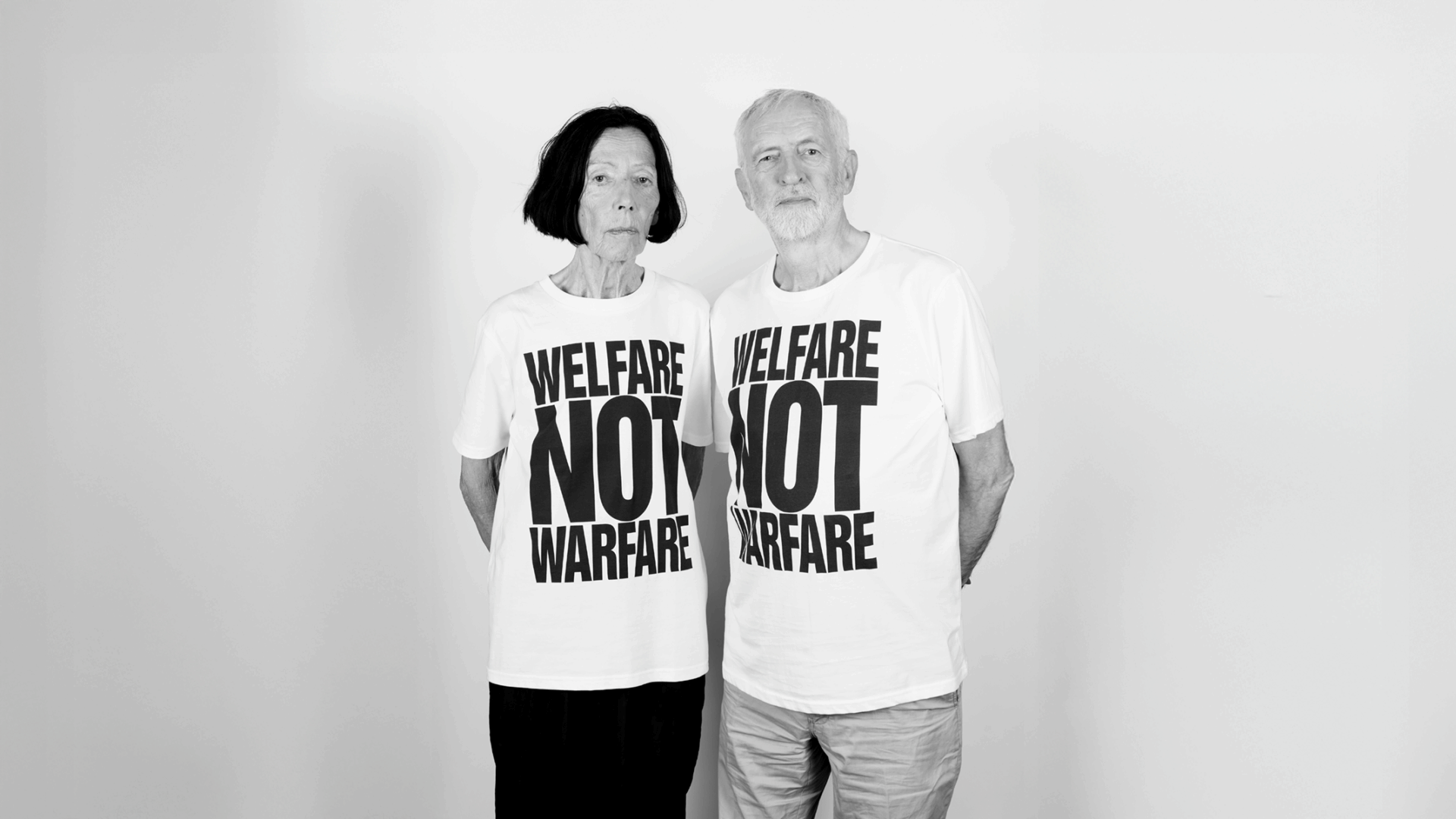
✊ WELFARE NOT WARFARE: Katharine Hamnett and Jeremy Corbyn Join Forces for Gaza Orphans

Katharine Hamnett has never been a designer who stays quiet. Her T-shirts have been worn in protest marches, on global runways, and even in front of Margaret Thatcher. Now, in collaboration with A/POLITICAL and Jeremy Corbyn, she’s using that same visual language to call for an end to what they describe as Israel’s genocide in Gaza.

The END GENOCIDE project isn’t about trend cycles or seasonal collections. It’s a direct intervention — raising both awareness and funds for the Noor Gaza Orphan Care Program, which supports children who have lost parents in the ongoing violence.

📊 The Human Context

  • 20,000 children orphaned in Gaza since the escalation of violence (Taawon, 2025).

  • Noor provides comprehensive care - food, education, healthcare, and psychosocial support until age 18 - with 100% of donations going directly to services.

  • The conflict has created one of the most severe child protection crises in recent history, with UNICEF calling Gaza “the most dangerous place in the world to be a child” (2024).

🧠 Why This Matters

Hamnett’s T-shirts are more than wearable slogans - they are mobile billboards of dissent. In this case, the medium also funds the message. Every purchase translates directly into resources for children who have lost their families, while the bold typography keeps Gaza’s humanitarian crisis visible in everyday spaces.

Unlike many “awareness” campaigns that stop at symbolism, END GENOCIDE closes the loop: the act of wearing the message is tied to a tangible outcome. That’s critical in an attention economy where causes often trend briefly before being replaced by the next headline.

📌 Key Points

  • The campaign: Co-created by Hamnett, Corbyn, and A/POLITICAL, with statements sourced from Palestinians and public figures.

  • The cause: 100% of proceeds go to Taawon’s Noor Gaza Orphan Care Program - no admin fees, full transparency.

  • The impact: Combines political visibility with direct aid, ensuring the campaign is not just symbolic.

  • The tone: Unapologetically political, rejecting neutrality in favour of clear solidarity.

🔮 What This Signals

Fashion has long been a vehicle for political messaging, but this project underscores a shift: consumers and activists alike are demanding that creative protest also produce concrete outcomes.

With mainstream political channels gridlocked, collaborations like this operate as micro-acts of foreign policy from civil society - using culture to apply pressure while addressing immediate humanitarian needs.

Whether you agree with Hamnett’s stance or not, the project shows how art and activism can work in tandem, without diluting urgency for palatability. It’s a reminder that visibility alone isn’t enough - the point is to mobilise resources where they’re needed most.

categories: Impact, Fashion
Monday 08.11.25
Posted by Vicky Beercock
 

💹 Rising Value, Club Ascent & Ballon d'Or Buzz: The State of Women’s Football in 2025

2025 is proving to be a tipping point in the business and branding of women’s football. Off the back of a culturally seismic Women’s EURO, we’ve seen sharp increases in player market value, a reshuffling of UEFA club power rankings, and the Ballon d’Or Féminin shortlist land with both expected legends and new-market disruptors.

This case study captures the state of play - through value shifts, club strategy and narrative capital - and signals what brand marketers, talent scouts and creative leads should be watching next.

🔎 Note: Value sourced from Soccerdonna, reflecting performance plus media visibility following EURO 2025.

💥 Arsenal holds five of the top ten most valuable players in the league, a clear reflection of their strategy to consolidate performance and visibility.

🏆 Barcelona leads by 13 points - a continued reign that reflects both Champions League success and player-led dominance.

🏆 Ballon d’Or Féminin 2025: Nominees and Narrative

✅ Confirmed 2025 Nominees:

  • Lucy Bronze (Chelsea, England)

  • Barbra Banda (Orlando Pride, Zambia)

  • Aitana Bonmatí (Barcelona, Spain)

  • Sandy Baltimore (Chelsea, France)

  • Mariona Caldentey (Arsenal, Spain)

  • Klara Bühl (Bayern, Germany)

  • Sofia Cantore (Washington Spirit, Italy)

  • Steph Catley (Arsenal, Australia)

  • Melchie Dumornay (Lyon, Haiti)

  • Temwa Chawinga (Kansas City, Malawi)

  • Emily Fox (Arsenal, USA)

  • Cristiana Girelli (Juventus, Italy)

  • Esther González (Gotham, Spain)

  • Caroline Graham Hansen (Barcelona, Norway)

  • Patri Guijarro (Barcelona, Spain)

  • Amanda Gutierres (Palmeiras, Brazil)

  • Hannah Hampton (Chelsea, England)

  • Pernille Harder (Bayern, Denmark)

  • Lindsey Horan (Lyon, USA)

  • Chloe Kelly (Arsenal, England)

  • Marta (Orlando Pride, Brazil)

  • Frida Maanum (Arsenal, Norway)

  • Ewa Pajor (Barcelona, Poland)

  • Clara Mateo (Paris FC, France)

  • Alessia Russo (Arsenal, England)

  • Claudia Pina (Barcelona, Spain)

  • Alexia Putellas (Barcelona, Spain)

  • Johanna Rytting Kaneryd (Chelsea, Sweden)

  • Caroline Weir (Real Madrid, Scotland)

  • Leah Williamson (Arsenal, England)

🔁 Bonmatí is on track for a three-peat, but strong challenges from Arsenal and Chelsea nominees signal a broader shift in influence.

🧠 Strategic Analysis: Who Benefited from the Value Boom - and Why It Matters

Commercially?
Yes. Value increases, WSL valuations and Ballon d’Or nominations all point to a clear set of rising assets - with Arsenal leading. Clubs consolidating talent with visibility (like Russo, Caldentey, Kelly, Catley) now command outsized attention from sponsors, media and investors.

Culturally?
The 2025 nominations broaden the lens. Players like Temwa Chawinga, Barbra Banda, and Melchie Dumornay bring new geographies and new stories into the spotlight. It’s a pivot point where performance no longer needs to come from legacy markets to be recognised globally.

Creatively?
Narrative alignment is key. Bonmatí and Putellas remain the blueprint for performance x presence, but rising names like Baltimore and Cantore are building new archetypes. Brands should now scout for momentum, not just medals.

Strategic Implication:
The Ballon d’Or shortlist is becoming a strategic radar - a live read on who’s culturally hot, commercially scalable, and creatively flexible.

📌 Key Takeouts

  • D. Cascarino (+€250K) and J. Brand (€700K) lead post-Euro value growth.

  • Arsenal dominates value and nominations, pointing to long-term brand strategy.

  • Barcelona’s hold on top UEFA ranking + Ballon d’Or legacy still drives narrative control.

  • New-market players (Chawinga, Dumornay, Banda) signal wider audience potential.

  • Sponsorship and social spikes now track directly with player value and awards buzz.

🔮 What’s Next?

  • Ballon d’Or ceremony (22 Sept) could boost market value for winners by 15–25%.

  • Arsenal’s squad consolidation sets the club up for brand deals and fan growth.

  • Watch for emerging-market partnerships: Brands will look to Africa, South America, and Southeast Asia with these new faces.

  • Creative campaigns must move beyond legacy names — and start building stars, not just riding them.

categories: Impact, Sport
Thursday 08.07.25
Posted by Vicky Beercock
 

🔥 Visibility Without Protection: Why UEFA’s Online Abuse Crackdown Isn’t Cutting It

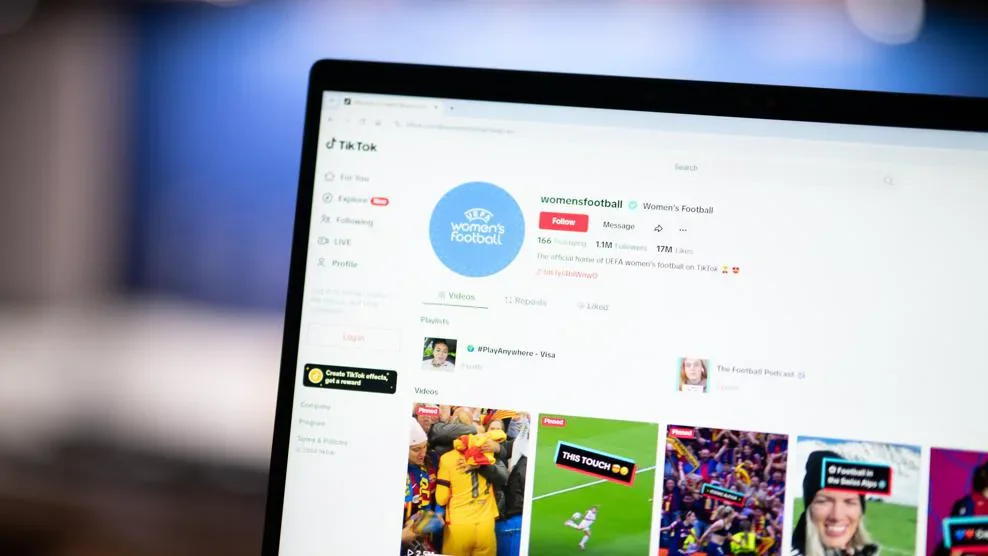
As women’s football climbs into the global spotlight, it’s facing the backlash that often follows breakthrough. Women’s EURO 2025 was a tournament of record audiences, elite performances — and a dark digital undercurrent. UEFA’s online abuse programme, launched in 2022 and applied here in collaboration with Meta, TikTok and X, aimed to protect players, coaches and referees from targeted hate. But with rising abuse, patchy enforcement, and vague thresholds, it’s time to ask: Is this system good enough - or just good optics?

📊 Supporting Stats:

  • 1,901 abusive posts were flagged - a 7.3% increase from 2022.

  • Of those, only 19.1% were deemed serious enough to be reported directly to platforms.

  • Just 66.6% of reported posts were actioned - leaving over a third untouched.

  • Tier 1 abuse (most severe) dropped, but Tier 2 and 3 abuse - more indirect but still harmful — rose.

  • Spain, England and Germany were the most affected teams; players received 67.3% of abuse.

  • Across Meta, TikTok and X, results varied: TikTok removed 100% of flagged content, Meta removed 91%, while X’s numbers remain opaque.

  • In total, over 19,500 abusive posts have been identified across 16 UEFA competitions over three years.

🧠 Decision: Did It Work?

Not enough.

While the intent behind UEFA’s online abuse programme is commendable, the outcomes suggest a system still lagging behind the scale and complexity of the problem. Abuse is rising, becoming more coded, and platforms remain inconsistent in enforcement.

Only 1 in 5 abusive posts were severe enough to be reported. But who decides that - and by what standard? With Tier 2 and 3 content rising, the nuance of online hostility - sarcasm, dog whistles, baiting - is being missed. For players facing constant low-level abuse, that’s not just a moderation gap - it’s a failure of care.

The platforms, too, aren’t pulling equal weight. TikTok showed strong enforcement. Meta delivered reasonably. But X - a known hotspot for real-time abuse - still provides little transparency. The lack of standardised accountability across platforms means safety is subject to platform policy, not player need.

📌 Key Takeouts:

  • What happened: UEFA monitored abuse during Women’s EURO 2025, flagging nearly 2,000 posts and partnering with social media platforms to take action.

  • What fell short: Abuse increased, with over 33% of reported content still left online. Less extreme - but more pervasive - forms of abuse are slipping through.

  • Who was hit: Players, especially those from Spain, England and Germany. The final saw 468 flagged posts alone.

  • Platform response: Inconsistent. TikTok led in enforcement, Meta was solid, and X remains vague on data and action.

  • Brand signal: Surface-level solutions aren’t keeping up with the realities of digital hate - especially in women’s sport, where visibility often invites aggression.

  • Strategic takeaway: Real protection means more than detection - it requires action, accountability and a platform-agnostic standard for abuse.

🔮 What We Can Expect Next:

UEFA’s three-year programme ends here - but this can’t be the end of investment in athlete protection. With women’s football growing commercially and culturally, brands will be expected to do more than just show up - they’ll need to stand up.

Expect louder calls for independent moderation frameworks, real-time takedown powers, and greater legal escalation tools. If governing bodies and sponsors don’t push for systemic change, athletes will be left to fend for themselves - and the goodwill that surrounds the women’s game could curdle into distrust.

The message is clear: visibility without protection is no longer acceptable. Not for players. Not for fans. And not for the brands who want to be part of this moment.

categories: Impact, Tech, Sport
Thursday 08.07.25
Posted by Vicky Beercock
 

🔥 Does Live Nation Urban’s Creator Network Deliver Genuine Value?

Live Nation Urban has unveiled what it calls the largest Black creator network in the industry - in collaboration with Breakr. Positioned as a year‑round creative engine, it’s presented not as a trend-driven initiative but as an infrastructure built to sustain authentic partnerships and equitable creator support.

That same logic of long-term cultural investment is now extending globally. In a new partnership with Spotify, Live Nation Urban is bringing emerging U.K. R&B talent to U.S. stages through RNB X Live: The UK Sound - a two-city concert series spotlighting rising British voices including Elmiene, Odeal, Sasha Keable, Venna, and kwn. It’s another example of how Live Nation Urban isn’t just building infrastructure for Black creators in the U.S., but connecting global culture through strategic alliances.

📊 What We Know

  • 75,000+ creators, backed by 55 million data points, underpin the platform’s reach and insight.

  • 48‑hour payment turnaround via BreakrPay.

  • A-list brand partners include Amazon Music, Hennessy, AT&T, Hulu, and Pepsi.

  • RNB X Live: The UK Sound debuts in August 2025, spanning San Francisco and New York, following the success of Spotify’s previous RNB X showcase featuring Normani and Bryson Tiller.

  • The concert series is fuelled by Spotify’s flagship RNB X playlist, designed to elevate the global R&B landscape.

  • Tickets go on general sale 1 August via Live Nation and Spotify.

🧠 Does It Work?

Yes - with credibility, consistency, and cultural alignment.

What sets Live Nation Urban apart is that it’s not chasing moments, it’s engineering movements. Whether building economic equity through the Creator Network or platforming cross-continental talent with Spotify, it operates from the inside out - not the outside in. These aren’t opportunistic plays. They’re evidence of a long-standing cultural mandate backed by infrastructure, investment, and intentionality.

And the RNB X Live collaboration underlines that point: it’s not about “featuring” U.K. R&B - it’s about exporting cultural ecosystems with the same care and clarity they’ve applied to U.S.-based creators. The result? A brand that doesn’t just participate in culture - it architects it.

📌 Key Takeouts

  • What’s happening: Live Nation Urban continues to expand its creator-first ecosystem with Breakr, while launching a global artist initiative in partnership with Spotify.

  • What resonates:

    • Strategic, real-time payment for creators.

    • Integration of data, context, and live cultural capital.

    • Expansion into global talent pipelines (U.K. to U.S. R&B).

    • Relationship-led approach, not just algorithm-led access.

  • Potential tension: Continued success will depend on resisting extractive brand dynamics and keeping creator collaboration intentional, not transactional.

  • Cultural signal: Audiences are drawn to brands and platforms that invest in long arcs of culture, not quick wins.

  • For marketers: This is a model of how brand, talent, and community can co-exist without compromise - because it’s designed to.

🔮 What Might Come Next?

Live Nation Urban’s moves suggest a blueprint for creator economies that are sustainable, not seasonal - and global, not geofenced. From Broccoli City to Irving Plaza, the message is clear: when creators are treated as partners, not placements, value multiplies. Expect other entertainment brands to start building their own culturally driven, data-backed creator infrastructures.

But staying ahead means staying curated. As more brands enter the creator economy, the ones who win won’t be the ones who shout loudest - they’ll be the ones who know when to listen, who to elevate, and how to build for the long haul.

categories: Impact, Music
Thursday 08.07.25
Posted by Vicky Beercock
 

🏟️ Stadiums of the Future: The High Stakes Game of Sports Infrastructure

Screenshot 2025-08-06 at 10.52.33.png
Screenshot 2025-08-06 at 10.57.23.png
Screenshot 2025-08-06 at 11.23.57.png

From Old Trafford’s regeneration gridlock to Saudi Arabia’s gravity-defying sky stadium and the climate-driven redesigns sweeping global venues, the future of sports infrastructure is being rewritten in real time. But behind the headline-grabbing plans and billion-pound budgets lies a deeper question for brands, architects, and strategists alike: are these stadiums keeping pace with cultural expectations, climate realities, and commercial logic - or are they simply outpacing them?

In this overview, we dissect three major stadium stories shaping the sports and entertainment landscape: Manchester United’s £4.2bn “Wembley of the North,” the heat-proofing revolution in stadium design, and Saudi Arabia’s $1bn suspended stadium in Neom. Together, they offer a glimpse into the escalating ambition - and complexity - of the venues brands now call home.

📊 Supporting Stats

  • £4.2bn: Projected cost of Manchester United’s new stadium (BBC Sport, 2025)

  • $20+ billion: Saudi Arabia’s total investment in 2034 World Cup infrastructure (Saudi Ministry of Sport, 2025)

  • 92,000: Jobs projected from United’s development (Manchester Evening News, 2025)

  • 100% renewable: Energy source for Neom Sky Stadium (Vision 2030 Framework)

  • Year-round heat: 60% of future major tournaments will take place in regions with extreme temperature risks (FIFA Climate Impact Study, 2024)

🧠 Decision: Did It Work?

It depends on which lens you’re using.

Manchester United’s stadium vision is bold, but its execution is faltering. A £400m land dispute has frozen progress, exposing the fragility of large-scale regeneration without locked-down logistics. The promise is huge - economic uplift, tourism, global prestige - but without land, planning permission, or architectural clarity, it currently functions more as a PR play than a viable blueprint.

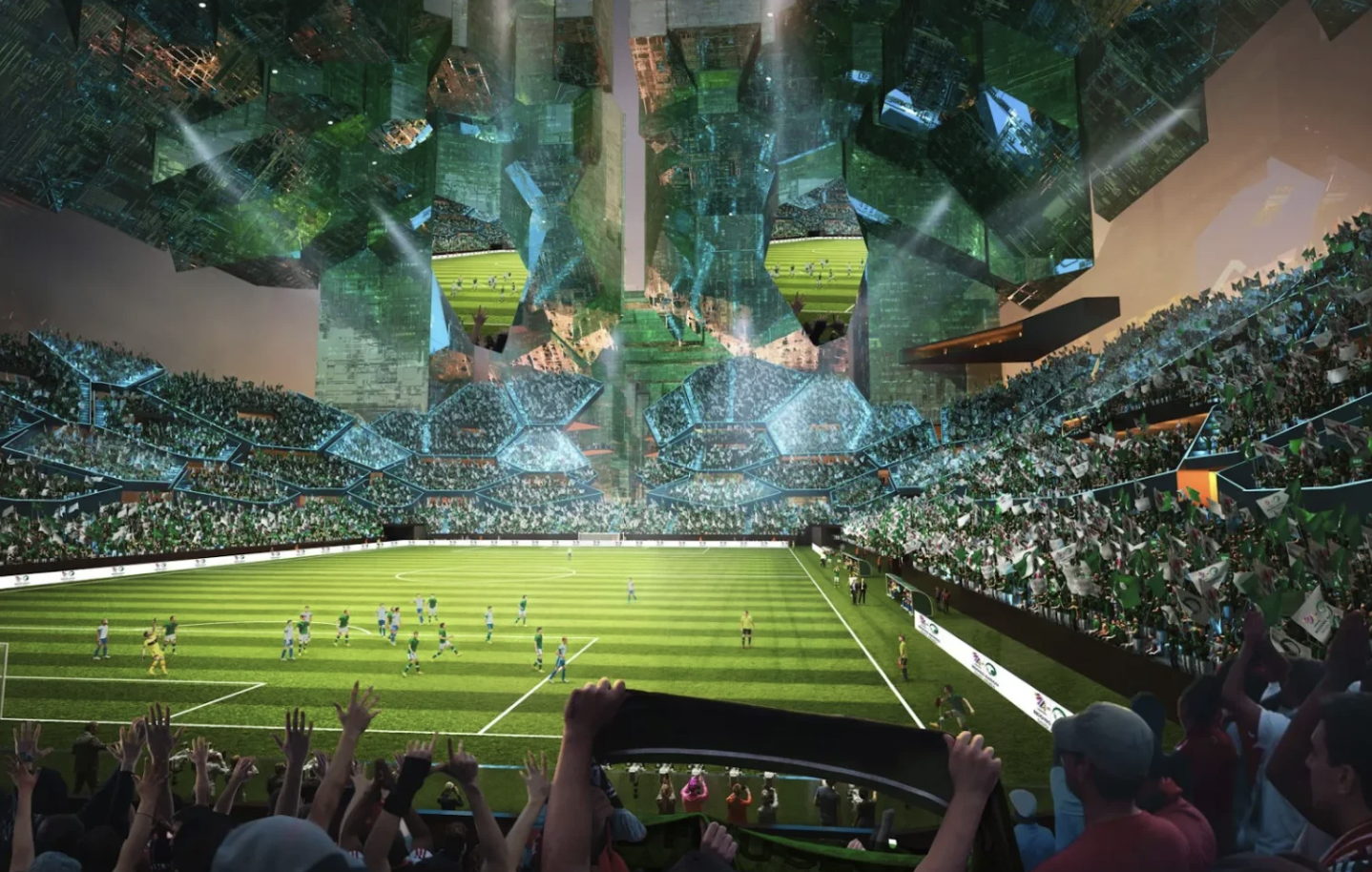
Saudi Arabia’s Neom Sky Stadium is both a spectacle and a signal. Architecturally, it breaks new ground. Strategically, it’s designed to elevate Saudi's global brand and attract premium partnerships. But it carries high execution risk, from accessibility to ROI scrutiny. As an immersive, net-zero venue built into a future city, it’s not just infrastructure - it’s narrative architecture. The question is whether audiences buy in beyond the visuals.

Heat-resilient design is where commercial sense meets cultural foresight. As climate volatility becomes a certainty, venues embracing passive cooling, adaptive materials, and tech-integrated comfort are setting new standards. This is less about hype and more about long-term viability - for events, for brands, and for safety. It’s the most future-fit of the three stories.

📌 Key Takeouts

  • What happened:

    • Manchester United’s £4.2bn stadium hit a land acquisition deadlock.

    • Saudi Arabia revealed plans for a suspended $1bn stadium in Neom.

    • Designers globally are adapting stadiums to survive extreme heat.

  • What worked well:

    • Saudi’s positioning of infrastructure as soft power and immersive brand space.

    • Climate-adaptive stadiums balancing tradition with innovation.

    • The globalisation of venue design as a branding and sustainability tool.

  • What didn’t land:

    • United’s land valuation gap threatens to derail timelines and trust.

    • Neom’s accessibility and practicality remain unproven at scale.

    • High-tech venues risk perception issues if tech underdelivers.

  • What this signals:

    • Stadiums are no longer just sports infrastructure - they’re strategic brand assets.

    • Climate resilience is fast becoming table stakes for hosting global events.

    • Audiences expect more than capacity - they demand comfort, values, and experience.

  • What brand marketers should note:

    • Get involved early - the best integrations are baked in, not bolted on.

    • Align with venues that reflect future-forward values, not just scale.

    • Consider how local infrastructure reflects broader brand positioning in global markets.

🔮 What We Can Expect Next

  • More stadiums as brand platforms: Future venues will be designed with brand activations, sustainability storytelling, and hybrid experiences in mind from the outset.

  • Heat-resilient regulation: Expect a rise in global standards mandating temperature-responsive design for major sporting events.

  • Increased political involvement: Projects like Old Trafford may trigger public-private tensions, especially when delays threaten regional regeneration.

  • Bigger bets on spectacle: With Saudi setting new architectural benchmarks, other nations may follow suit - leading to an arms race of venue innovation that puts pressure on practicality.

  • Fan experience as differentiator: Whether sunken in Cairo or suspended in Neom, the venues that win will deliver comfort, immersion, and meaning - not just seats and sightlines.

categories: Sport, Impact
Thursday 08.07.25
Posted by Vicky Beercock
 

🔥 Delivery Bots Go Hollywood: Prime Video’s Street-Level Heist Marketing

Prime Video is taking The Pickup- its latest heist comedy starring Eddie Murphy, Keke Palmer, and Pete Davidson - off the screen and into the streets of Los Angeles, quite literally. In partnership with Coco Robotics and Omnicom Media Group, the streaming giant has transformed a fleet of food delivery robots into rolling, voice-activated mini movie sets. Think: branded bots styled like armoured trucks, spouting lines from the film as they zip through LA’s neighbourhoods. It’s a bold, playful blend of mobility, media, and street-level spectacle - raising the bar for experiential OOH campaigns.

📊 Supporting Stats:

  • Coco Robotics has completed over 500,000 zero-emission deliveries since launch in 2020.

  • The campaign launched July 21 and runs through the film's August 6 global premiere on Prime Video.

  • Coco’s fleet operates in dense, high-footfall LA neighbourhoods, offering impression counts that rival traditional billboards.

  • Dynamic OOH measurement tools track real-time campaign impact, giving Prime Video data-backed visibility.

🧠 Decision: Did It Work?
Yes - culturally and creatively. While the direct commercial ROI for a streaming release can be hard to quantify, Prime Video’s campaign smartly aligns with the film’s premise while delivering IRL spectacle that’s ripe for social sharing. It’s brand storytelling on the move - literally- with strong synergy between content, platform and context. The campaign cleverly leverages ambient fandom (people stumbling across branded bots, then Googling the film) in a saturated attention economy. For brand marketers, this signals a sharp evolution in how IP can live beyond traditional media.

📌 Key Takeouts:

  • Who & What: Prime Video teamed up with Coco Robotics to promote The Pickup using branded, voice-activated delivery robots in LA.

  • What Worked:

    • Strong narrative alignment: The bots mirrored the film’s heist truck aesthetic.

    • High novelty: Immersive, mobile, and social-shareable - perfect for earned media.

    • Smart media integration: Using robots as dynamic OOH surfaces offers both reach and interactivity.

  • What Felt Risky:

    • Scalability: This works in LA, but replicating it in other cities or countries is logistically complex.

    • Measurable ROI for streaming is opaque - visibility doesn’t always equal viewership.

  • Signals for Strategy:

    • Physical touchpoints are becoming powerful brand extensions - even in a digital-first world.

    • Mobility is a new media channel. Autonomous delivery opens up fresh creative territory for brands.

🔮 What We Can Expect Next:
Expect more brand/IP crossovers with urban mobility platforms - from robot couriers to rideshares to scooters. As audiences tune out of static ads and scroll past digital ones, brands that show up in real life - with creativity and cultural context - will win attention. But there’s a fine line between spectacle and gimmick. The real opportunity lies in narrative fit: branded mobility that feels like part of the story, not just another surface. With this campaign, Prime Video didn’t just advertise a film - it gave it wheels.

categories: Tech, Culture
Thursday 08.07.25
Posted by Vicky Beercock
 

🏀 Court, Culture, Commerce: The WNBA’s Moment of Reckoning

A new era is unfolding in women’s sport - and brand strategists should be paying close attention.

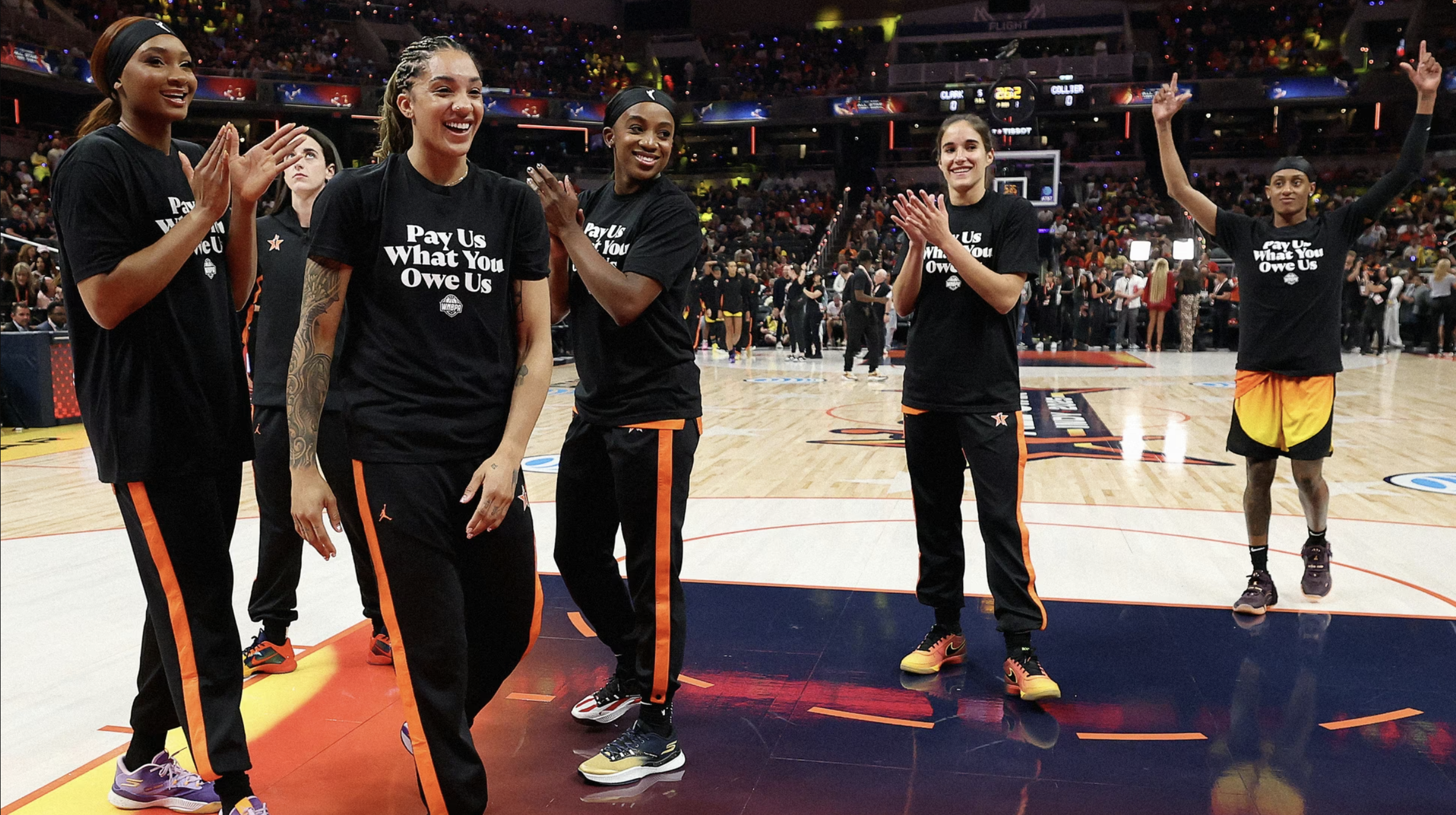
At the 2025 WNBA All-Star Game, players made headlines not just for their performance on court but for their demand off it: Pay Us What You Owe Us. The T-shirts they wore during warm-ups weren’t just protest statements - they were brand signals. About ownership. Value. Equity. Growth. And about a league that’s fast becoming the most interesting business story in sport.

This isn’t just a sporting moment. It’s a brand culture shift in real time.

The Growth Is Real - And Quantifiable

The WNBA’s commercial growth is undeniable:

  • Viewership surged 170% on ESPN in 2024 (source: ESPN)

  • Ticket sales increased 26%, while merchandise sales jumped 40%

  • A new $2.2 billion media-rights deal (beginning in 2026) signals long-term viability and mainstream interest

  • Expansion fees for new franchises are $250 million apiece, with the Golden State Valkyries valued at $500 million

This growth is powered by a new generation of culturally resonant players like Caitlin Clark and Angel Reese, but also by the league’s broader relevance in conversations around equity, gender, and representation.

Labour, Equity, and Visibility Are Converging

Currently, WNBA players receive just 9.3% of league revenue - compared to ~50% in the NBA, NFL, and NHL. Even UFC fighters receive between 16–20%. Clark, the most talked-about rookie in years, earns roughly $78,000 on her contract – less than some marketing interns at Nike.

This isn’t a question of whether the players should earn as much as LeBron James. It’s about whether their share reflects the actual revenue they’re generating. And whether brands, leagues, and owners are willing to back equity with structure – not just sentiment.

As Jemele Hill notes, "The WNBA is arguably in better shape than the NBA was at the same juncture.” So why isn’t player pay keeping pace?

What It Means for Brands

The WNBA is more than a league - it’s becoming a platform for equity-first brand storytelling. From jersey sponsors to broadcast partners, every brand association is now an implicit stance on fairness, visibility, and long-term value creation.

Meanwhile, athletes themselves are evolving into brand forces: they’re outspoken, digitally savvy, and shaping the league’s voice with agency. Caitlin Clark’s arrival, Angel Reese’s confidence, and the players’ collective action show that WNBA stars aren’t just talent - they’re cultural capital.

For brand marketers, this moment offers a unique combination:

  • Narrative power: A league with clear underdog-to-mainstream growth trajectory

  • Cultural clarity: Players are aligned on values - equity, representation, agency

  • Untapped storytelling: The player-league–brand triangle is wide open for meaningful investment and innovation

Key Takeouts

  • The WNBA is no longer niche - it’s a fast-scaling cultural asset

  • Athletes are framing the narrative, not just performing in it

  • Revenue growth is clashing with legacy inequity - and fans are noticing

  • Brands seen backing parity will be culturally aligned with rising generations

  • The league's investment structure is maturing fast - and so is its audience

Next Steps for Brand Marketers

  1. Audit your alliances - Are your sports investments matching where culture and equity are heading?

  2. Get closer to the athletes - Not just the league, but the voices shaping its direction

  3. Create parity-led partnerships - Use your leverage to build campaigns, not just sponsorships

  4. Monitor equity as performance - Don’t wait for equality to be commercially safe. Lead it.

  5. Rethink ROI in women’s sports - The metrics are shifting. The cultural upside is already here.

categories: Sport, Impact
Thursday 08.07.25
Posted by Vicky Beercock
 

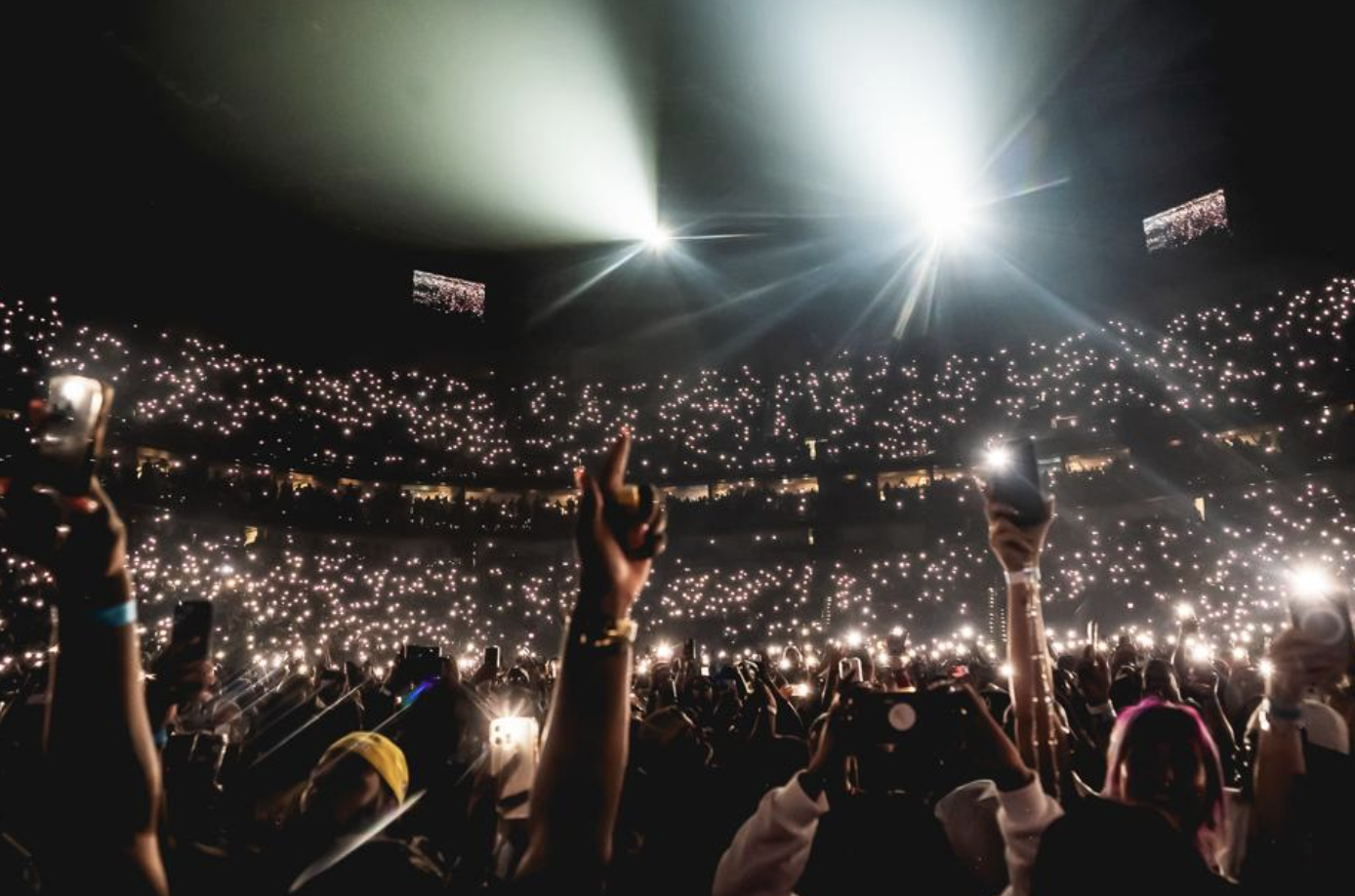
📵 Silent Mode: Why Warehouse Project’s Phone Ban Signals a Shift in Club Culture

The Warehouse Project, a cornerstone of UK nightlife, is introducing a partial no-phones policy at its Manchester venue. Attendees at events in the Concourse section will be asked to cover their phone cameras with stickers provided by the club. While full-scale WHP shows won’t enforce a total ban, signs will encourage limited use, particularly on the dancefloor. Organisers say the move is about preserving the essence of club culture - shared moments, real connection, and undistracted energy. Professionally shot content will be made available to attendees immediately after each event, offering an alternative to DIY documentation. The policy reflects wider cultural momentum around presence, privacy, and digital detox.

Key Takeouts

  • 📉 87% of UK clubgoers feel phones harm the atmosphere (VICE).

  • 🎧 62% of new-generation DJs prefer no-phone crowds (Resident Advisor).

  • 🕺 There’s growing appetite for “real” and “immersive” experiences among Gen Z, especially in nightlife settings.

  • 📸 WHP’s model shows how post-event content can meet social sharing needs without disrupting the moment.

  • 🤝 The challenge lies in balancing freedom, documentation, and collective respect.

Benefits

  • Deeper immersion: Without screens, attention stays on the music, lighting, and shared environment.

  • More authentic social energy: Removing phones fosters genuine in-person interaction.

  • Improved visual landscape: No rows of raised phones means better visibility and crowd flow.

  • Professional content: Attendees can still share moments via WHP’s in-house photos and video, minimising FOMO while preserving vibe.

  • Brand control: For WHP, the policy also allows tighter curation of how the event appears online.

What We Can Expect Next

  • A rise in curated after-content: More venues may follow WHP’s lead by offering professional, branded post-event media.

  • Tech-free design thinking: Brands and venues could start building “presence-first” zones or rituals into events.

  • Tensions with influencer culture: As self-documentation becomes more restricted, content creators may push back or look elsewhere.

  • Differentiated audience strategies: Venues may adopt hybrid models - some events phone-free, others open - to accommodate varying audience preferences.

  • New creative formats: Delayed content drops, shareable edits, and exclusive recap reels could become the norm for event storytelling.

categories: Impact, Music, Culture
Thursday 08.07.25
Posted by Vicky Beercock
 

📺 Amazon Backs Fable’s AI-Powered ‘Showrunner’ – The “Netflix of AI”

Fable, the San Francisco-based start-up founded by Edward Saatchi, has launched Showrunner, an AI tool for creating user-directed TV shows. Billed as the “Netflix of AI”, Showrunner allows users to generate scenes or full episodes by typing a few words, then share them across platforms. Unlike traditional streaming, audiences can insert themselves into existing narratives, direct plot twists and even become part of the cast.

The launch follows months of private testing with 10,000 alpha users and is powered by Fable’s proprietary SHOW-2 model. Early projects include “Exit Valley”, a satirical animated comedy skewering tech leaders, and “Everything Is Fine”, a surreal relationship drama. Amazon’s investment via its Alexa Fund aims to help scale the platform, which focuses on animation to avoid the heavy competition in photorealistic AI video.

Key Supporting Stats

  • Closed alpha involved 10,000 users experimenting with AI-driven TV storytelling.

  • Amazon’s Alexa Fund has invested in Fable (undisclosed amount).

  • Fable’s “South Park” AI project gained 80M+ views online.

  • Planned subscription: $10–$20 per month for creators to produce hundreds of scenes; viewing will remain free.

Key Takeouts

  • Interactivity as a differentiator: Viewers can create and direct stories in real time, blurring lines between audience and creator.

  • Episodic focus: AI is currently stronger at sitcom-style or procedural storytelling than at long-form serial dramas.

  • Potential IP partnerships: Fable is in early talks with major studios, including Disney, for licensing existing story worlds.

  • User-led creativity: Alpha testers surprised Fable by using the tool to put themselves and friends into shows.

Why It Matters

This marks a shift in streaming from passive viewing to participatory creation. For Amazon, it strengthens its foothold in interactive AI technologies. For media companies, it opens new possibilities for audience engagement, fan-led storytelling and monetisation - while also raising questions about IP control and whether mainstream viewers want to actively shape the shows they consume.

What We Can Expect Next

  • Subscription rollout: Monetisation via creator credits, with a free viewing tier to drive adoption.

  • IP collaborations: Potential for fan-generated episodes of beloved franchises if licensing deals close.

  • Creative guardrails: Ongoing refinement to keep content compliant with copyright and community standards.

  • Shift in viewing habits: Could set the precedent for two-way streaming experiences across the industry.

categories: Tech
Wednesday 08.06.25
Posted by Vicky Beercock
 

🏟️ Manchester United’s £4.2bn ‘Wembley of the North’ Hits a Stalemate

Manchester United’s ambitious plan to deliver a new 100,000-seat stadium next to Old Trafford has hit a major stumbling block. The club’s much-publicised “Wembley of the North” vision is now in limbo due to a dispute over the purchase of a key piece of land - a rail freight terminal owned by Freightliner.

With Freightliner asking for around £400m and United valuing the site at £40m–£50m, negotiations have reached a deadlock. The stand-off threatens to derail the club’s 2030 completion target and delay one of the UK’s most high-profile sports infrastructure projects.

Key Takeouts

  • Land dispute stalls flagship project - Manchester United’s £4.2bn stadium regeneration plan is on hold due to disagreement over land acquisition.

  • Huge valuation gap - Freightliner’s £400m asking price dwarfs United’s £40m–£50m valuation.

  • Timeline in jeopardy - The 2030 target looks increasingly optimistic as preparatory work is unlikely to start this year.

  • Big economic promises - United project £7.3bn annual economic impact, 92,000 jobs, and 1.8 million extra visitors each year.

  • Multiple hurdles still ahead - Planning permission, finalised funding, and architect appointment are all yet to be secured.

What We Can Expect Next

  • Extended negotiations - Both sides are entrenched, so expect a slow-moving valuation battle.

  • Possible political intervention - The Old Trafford Mayoral Development Corporation could explore a compulsory purchase order, though legal challenges would cause further delays.

  • Plan revision risk - If the land can’t be secured, United may have to scale back or redesign the stadium project.

  • Escalating costs - Every delay risks inflating costs, potentially pushing the project well above current estimates.

  • Pressure from fans and stakeholders - Increasing calls for transparency on costs, timelines, and the likelihood of hitting the 2030 target.

categories: Sport, Impact
Wednesday 08.06.25
Posted by Vicky Beercock
 

🧠 GEO: The AI Era’s SEO Revolution

For two decades, traditional Search Engine Optimisation (SEO) has shaped how the internet looks and reads. From recipe blogs to e‑commerce listings, content has been crafted to please Google’s algorithms. But in August 2025, New York Magazine’s Intelligencer published John Herrman’s provocation: “SEO is dead. Say hello to GEO.” His argument is that Generative Engine Optimisation (GEO) is now the key to online visibility, as AI chatbots and generative search tools replace the search results page as the primary way people discover information (nymag.com).

Supporting Stats

  • Traditional SEO has been a $75 billion annual industry (nymag.com).

  • Academic modelling shows GEO practices can increase citation visibility by up to 40 percent in AI‑generated answers (arxiv.org).

  • Experts also warn that authoritative language and structured content significantly lift chatbot citation chances (theguardian.com).

What Is GEO?

Generative Engine Optimisation (GEO) evolves content strategy from ranking on search engine results pages to being cited within chatbot and AI engine responses. GEO formats content for ease of extraction by platforms like ChatGPT, Google’s Gemini or AI Overview, Perplexity, and Claude (en.wikipedia.org). Rather than keyword stuffing, it emphasises structured content - bullet points, data tables, quotations - and clear authorship to improve AI recognition and citation potential (nymag.com).

Pros

  • AI‑centric visibility: GEO positions your brand as a cited source in AI answers, not just a search result.

  • Increased discoverability: AI responses based on structured inputs can boost channel visibility by over 40 percent (searchengineland.com, writesonic.com).

  • Helps brand credibility: Emphasis on E‑E‑A‑T (experience, expertise, authoritativeness, trust) aligns with AI trust signals (backlinko.com).

Cons

  • Opaque and black‑box systems: AI models operate with hidden algorithms, making GEO optimisation uncertain and shifting (arxiv.org, theguardian.com).

  • Ethical risks: Tactics like strategic text sequences or manipulative citation cherry‑picking can skew responses and undermine trust (theguardian.com).

  • Traffic uncertainty: AI might answer with your content without driving click‑through, meaning lower referral traffic than traditional SEO.

Opportunities

  • Lead in a new frontier: Early adopters can define standards and shape AI content expectations in their sectors.

  • Cross‑functional integration: GEO requires linking brand, PR, content, and product experience to build co‑citations and mentions across channels (backlinko.com).

  • Measurement innovation: Use brand‑aware AI analytics to track AI‑generated appearance rather than page rankings only (theguardian.com).

Challenges

  • Rapid evolution: Best practices today may shift with next AI model updates—a moving target.

  • Internal alignment: GEO success demands collaboration between SEO, content, PR and analytics functions.

  • Resource intensity: Building structured, authoritative content with human oversight and AI tools can be more resource‑heavy than traditional keyword campaigns.

Key Take‑outs

  • Traditional SEO is giving way to AI‑first content strategies.

  • GEO focuses on being cited, not just ranked.

  • Structured, concise, E‑E‑A‑T‑driven content boosts visibility in AI responses.

  • GEO can lift citation visibility by about 40 percent per academic benchmarks.

  • Ethical and transparency concerns remain important as tactics evolve.

Next Steps for Brand Marketers

  1. Audit your AI presence: Test queries in ChatGPT, Gemini and Perplexity to see if your brand is cited.

  2. Restructure content: Use short answer‑style formats - bullet lists, tables, inline stats and quotes. Add clear author bios and source citations.

  3. Boost mentions and co‑citations: Secure brand participation in thought‑leadership roundups, guest posts, industry surveys, and third‑party content.

  4. Measure AI visibility: Track exposure in generative engines - not just search traffic - through AI‑focused analytics tools.

  5. Blend SEO and GEO: Keep strong technical fundamentals (site speed, crawlability, security) while layering on GEO‑specific structuring.

  6. Build internal governance: Establish editorial oversight to manage AI‑assisted content production responsibly.

Generative Engine Optimisation does not render SEO obsolete overnight. Rather, it reframes content strategy for a world where AI engines synthesise answers - not serve links. As Herrman noted in Intelligencer, if you want to be visible in this new paradigm, you need to structure your content so it can be “grabbed” by the bots.

categories: Tech
Wednesday 08.06.25
Posted by Vicky Beercock
 

🧩 Adidas Accelerates into F1 Culture: A Strategic Analysis for Brand Leaders

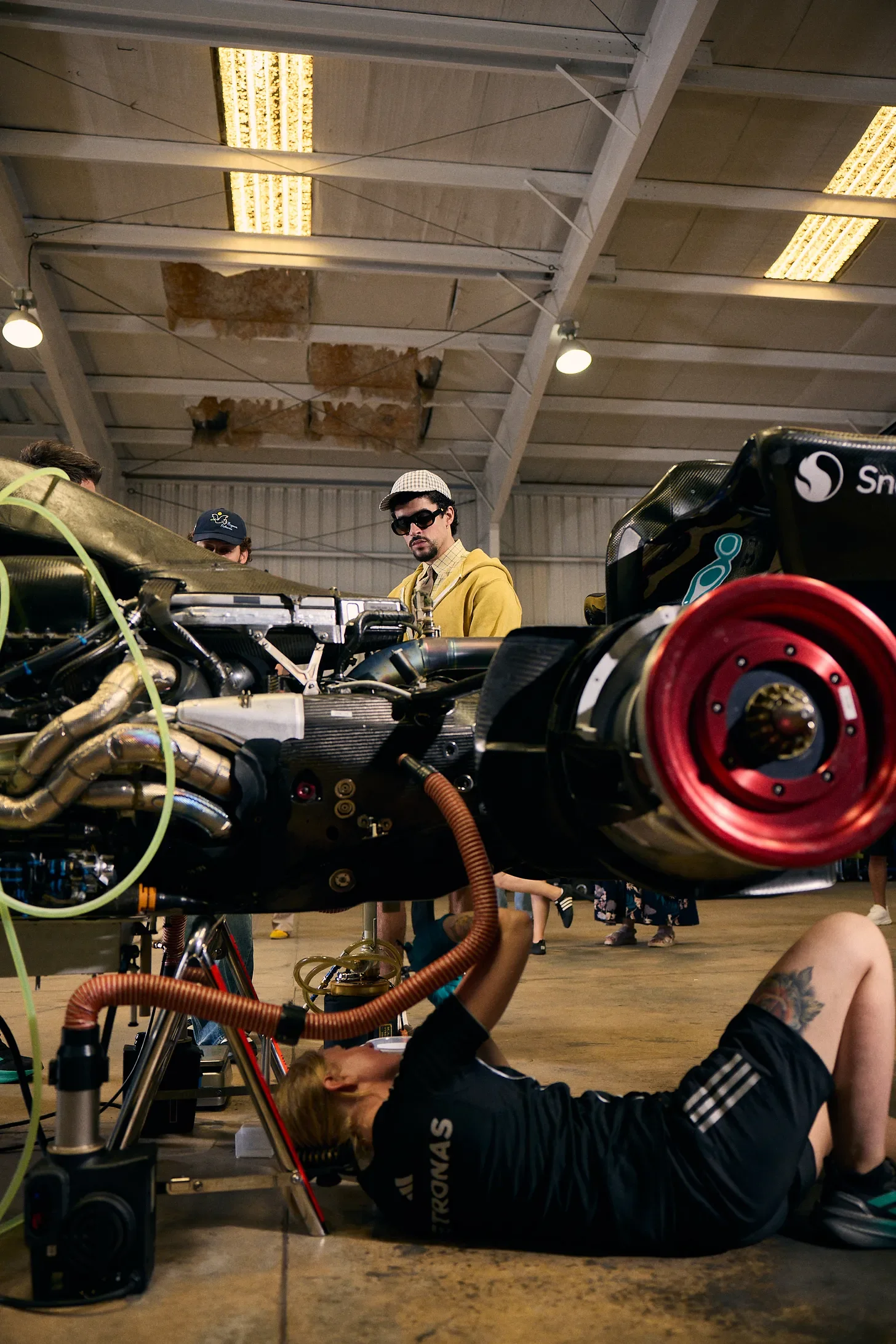
Adidas’s recent cultural play in Formula 1 was first dissected by Daniel‑Yaw Miller in SportsVerse (5 Aug 2025), spotlighting the groundbreaking collaboration between Adidas Originals, Mercedes‑AMG Petronas, and Bad Bunny. It marked how Adidas turned scepticism into bold fashion‑sport fusion in Puerto Rico - a move that positions the brand not merely as a sponsor, but a culture‑maker in motorsport.

Supporting Stats

  • Formula 1’s global fanbase rose to 826.5 million in 2024, up nearly 90 million year‑on‑year.

  • 41% of fans are female, 42% are under 35 - with daily engagement at 61% and emotional attachment at 90%.

  • Sponsorship revenue hit $632 million in 2024, more than doubling since 2019.

  • Adidas recorded €23.68 billion in revenue in 2024, up ~12% currency‑neutral; operating profit reached €1.34 billion.

  • Puma's full‑year 2024 sales grew just 4.4% currency‑adjusted to €8.82 billion.

Pros

✔ Cultural Relevance

By integrating Bad Bunny - already a five‑year key collaborator - Adidas infused the F1 deal with instant cultural cachet and emotional resonance that resonates well with Gen Z and Latinx audiences.

✔ Brand Performance & Reach

Adidas’s strong financial performance in lifestyle segments (+17% apparel, +9% footwear) aligns with its strategic pivot toward high‑heat fashion‑derived products rather than core sportswear.

✔ Access to Insiders & Innovation

Adidas brings unmatched collaborator networks (Pharrell, Stella, Grace Wales Bonner) that can translate F1 assets into broader fashion and lifestyle relevance.

Cons

✘ Financial Exposure

The company expects €200 million in incremental U.S. costs in H2 2025 due to tariffs, pressuring margins and potentially limiting further promotional spend.

✘ Competitive Pressure

Puma’s longstanding F1 involvement, particularly through sponsorships and creative direction (e.g. A$AP Rocky), still positions it as a credible alternative, albeit with slower growth.

Opportunities

🧠 Elevating Collaborations into Signature Lines

Adidas can translate the hype into sales via the Bad Bunny x Mercedes‑inspired Adiracer GT and future Originals drops — high‑margin fashion releases built off F1 visibility.

🌍 Entering Under‑served Fan Segments

F1's rising female fanbase (41%) and diverse young followers present fertile ground for inclusive merchandise and tailored storytelling.

🛍 Lifestyle Commerce via Events

Spectacle activations - like the San Juan demo run - present a model for experiential retail and content‑led commerce that extends beyond race weekends.

Challenges

⚠ Balancing Sport vs Fashion Identity

Adidas must avoid overtly alienating F1 purists while appealing to fashion audiences - bridging performance apparel for team use, replica merch, and trend‑based Originals.

💼 Macro‑economic Uncertainty

Macroeconomic headwinds (tariffs, currency volatility, consumer spending shifts) may limit marketing flexibility and dampen demand if prices are raised.

📉 Puma’s Resilience

Despite slower growth, Puma remains embedded in F1 via long‑term equipment contracts, F1 Academy sponsorship, and creative partnerships - maintaining baseline credibility.

Key Takeouts

  • Adidas is using Mercedes‑F1 + Bad Bunny to rewrite the intersection of fashion, music, and sport, as noted by Torben Schumacher and Rich Sanders in SportsVerse.

  • The strategy aligns with Adidas’s robust 2024 acceleration (+12% revenue, €1.34 billion operating profit) and lifestyle‑driven growth.

  • F1 delivers a dynamic, culturally engaged audience well‑suited to Adidas's collaborators and Originals marketing.

  • Puma remains a credible existing player in F1, but Adidas’s scale and fashion partnerships present an opportunity to eclipse Puma’s position.

Next Steps for Brand Marketers

  1. Build limited‑edition fashion product drops tied to live F1 events (e.g. Puerto Rico) that offer collectible value and digital storytelling.

  2. Craft inclusive messaging and product lines targeting female and under‑35 fans who now comprise a large share of F1’s audience.

  3. Leverage experiential activations - rooftop showcases, fashion x motorsport pop‑ups, fan hubs - to create commerce‑driven media moments.

  4. Double‑down on collaborator ecosystem - bringing in names like Pharrell, Stella, Grace Wales Bonner to sustain creative energy beyond seat‑merch tie‑ins.

  5. Monitor cost pressures carefully - given tariff exposure, pricing windows, and ROI timelines must be clear, especially in the U.S.

Adidas’s effort into F1 is more than sponsorship - it is a cultural thesis intersectional enough to move product, reshape audience perception, and redefine how sportswear plays in motorsport.

categories: Sport, Fashion, Culture
Wednesday 08.06.25
Posted by Vicky Beercock
 

🏟️ Cool by Design: How Stadium Architecture Is Tackling Extreme Heat

As global temperatures rise, stadium architects are reimagining venue design to protect both players and spectators from extreme heat. From Cairo’s partially sunken Al-Ahly Stadium to Austin’s shade-oriented seating, the focus is on combining passive cooling strategies with advanced materials and targeted technology. These innovations draw on ancient ventilation techniques, adaptive shading, and climate-responsive design to create safer, more comfortable environments.

Key Insights

  1. Passive cooling is back in play - Traditional methods such as sunken seating, open-air ventilation, and shade screens are proving highly effective.

  2. Material science matters - Reflective coatings, translucent ETFE roofs, and tinted glass are becoming standard in new builds.

  3. Heat resilience drives event scheduling - Matches are increasingly moved to cooler months or night-time slots.

  4. Technology complements tradition - Solar-powered cooling, retractable shading, and under-field water circulation boost comfort levels.

  5. Climate extremes are the new baseline - Venues must plan for prolonged, intense heat periods rather than rare heat spikes.

Key Takeouts

  • Stadiums are becoming climate-adaptive infrastructure.

  • Combining old and new approaches is delivering the best results.

  • Extreme heat is a year-round planning consideration for events.

  • Design choices now directly impact fan comfort, player safety, and venue viability.

What We Can Expect Next

  • Regulatory benchmarks - Possible introduction of heat-resilience standards for major venues.

  • Smart cooling systems - AI-driven shading and ventilation responding to real-time conditions.

  • Cross-sector adoption - Techniques spreading to concerts, retail spaces, and outdoor entertainment.

  • Brand integration - Sponsors aligning with stadium sustainability and fan wellbeing initiatives.

  • Location challenges - Cities with extreme heat risk may lose hosting rights without adequate cooling infrastructure.

categories: Sport
Wednesday 08.06.25
Posted by Vicky Beercock
 

🏟️ Sky-High Ambitions: Saudi Arabia’s $1B Stadium Redefines the Sports Venue Playbook

Saudi Arabia’s preparations for the 2034 FIFA World Cup are not just about football - they are about creating a global stage for architecture, technology, and cultural ambition. At the centre of this vision is the world’s first sky stadium: a $1 billion arena suspended 350 metres above the desert, built into The Line - the futuristic linear city in Neom.

For brand strategists, sports marketers, and urban futurists, this project signals more than an engineering feat. It’s a case study in how mega-events are becoming platforms for nation branding, sustainability innovation, and immersive fan experience.

📊 Supporting Stats

  • $20+ billion total investment in stadiums and related infrastructure for the 2034 FIFA World Cup (Saudi Ministry of Sport, 2025).

  • 46,000 seats in the Neom Stadium, designed for both World Cup fixtures and year-round entertainment.

  • 100% renewable energy powering the venue, aligning with Vision 2030’s net-zero ambitions.

✅ Pros – What’s Working

  • Architectural Differentiation: Being the first suspended stadium globally positions Saudi Arabia as a leader in visionary infrastructure.

  • Sustainability Integration: Renewable energy, electric transit, and net-zero ambitions appeal to ESG-conscious global audiences.

  • Tourism & Legacy Potential: Post-World Cup, the venue is planned as a permanent sports and events hub.

⚠️ Cons – Limitations & Risks

  • High Cost: $1 billion for one venue raises ROI questions, especially if post-event usage underperforms.

  • Accessibility Concerns: Elevated location and futuristic transport systems may challenge crowd flow and safety management.

  • Perception Gap: Skepticism remains in some markets about large-scale, high-tech projects delivering promised benefits.

🌍 Opportunities for Brands

  • Immersive Partnerships: High-tech infrastructure offers potential for next-generation fan engagement - AR overlays, personalised in-seat experiences, and virtual match attendance.

  • Sustainability Storytelling: Brands aligned with climate-positive narratives can leverage the renewable energy angle.

  • Luxury & Lifestyle Positioning: Premium hospitality in a sky-high venue creates unique brand activation spaces.

🚧 Challenges for Execution

  • Technology Dependence: Any failure in renewable systems or transport could harm global perception.

  • Operational Complexity: Coordinating a venue at this height with large crowds demands unprecedented logistical precision.

  • Cultural Integration: Balancing global fan expectations with local customs and regulations will require careful planning.

📌 Key Takeouts

  • The Neom Sky Stadium is both a sports venue and a brand statement.

  • Its innovation lies as much in positioning as in engineering.

  • For brands, the World Cup in Saudi Arabia is not a one-off - it’s a long-term opportunity to be embedded in the region’s cultural and economic transformation.

🔜 Next Steps for Brand Marketers

  1. Explore Partnership Models Early: The most integrated activations will be secured years before 2034.

  2. Leverage the Sustainability Narrative: Position brand messaging within the Vision 2030 framework.

  3. Plan for Hybrid Fan Journeys: Combine physical, digital, and virtual experiences to extend reach beyond the stadium.

  4. Consider Cultural Contexts: Localisation will be key to resonating with Saudi and international audiences alike.


categories: Sport
Wednesday 08.06.25
Posted by Vicky Beercock
 

🎨 Heritage Worn Proud: How Arsenal & adidas Turned a Third Kit into Cultural Storytelling

Arsenal’s new 2025/26 adidas third kit is more than a seasonal refresh. It’s a carefully curated cultural artefact designed to bridge the club’s past with its future. Marking 20 years since Arsenal’s final season at Highbury, the design is steeped in architectural references, Art Deco detailing and heritage cues that speak as loudly to memory as they do to performance. For brand marketers, it’s a textbook example of how sport and style can merge into a story with emotional weight.

Supporting stats

  • Emotional connection drives purchase: According to Nielsen Sports, 59% of sports fans say a club’s history influences their buying decisions for merchandise.

  • Heritage-led design works: A 2024 WARC study found that campaigns referencing cultural heritage delivered 24% higher long-term brand equity gains compared to standard seasonal creative.

  • Performance sells: adidas’ 2024 annual report notes that innovation in kit performance tech can increase on-field product sales by up to 18% year-on-year.

Key takeouts

  • Heritage storytelling can deepen fan loyalty and justify premium pricing.

  • Design authenticity is critical – bespoke fabric, detailing, and architectural references strengthen credibility.

  • Launching in a cultural setting reframes sportswear as art and broadens audience appeal.

  • While nostalgia is powerful, it must be balanced with forward-facing innovation to engage younger or global fans.

  • Clear communication around sustainability and materials will increasingly shape consumer perception.

What we can expect

This kit’s launch signals that heritage storytelling in sport is evolving from occasional nods to fully integrated cultural strategies. Expect more football clubs to pair product drops with artistic collaborations, archival references and cross-sector partnerships that blur the lines between sport, fashion and art. For Arsenal, this campaign positions them not just as a football club, but as a cultural curator of their own legacy – setting the stage for future launches that blend performance, history and global relevance in one cohesive narrative.

categories: Fashion, Sport
Wednesday 08.06.25
Posted by Vicky Beercock
 

🏈 Streaming Power Play: ESPN and the NFL’s New Ownership Deal

The media and sports worlds just took a decisive step toward the streaming future. Disney’s ESPN and the National Football League have struck a complex equity-for-assets agreement: the NFL will take a 10% ownership stake in ESPN, and in return ESPN will absorb the NFL Network, certain RedZone rights, and other media properties. The deal comes just as ESPN prepares to launch its long-awaited full streaming service, a $30-per-month direct-to-consumer offering that will carry all ESPN content, including live events.

For brand marketers, this is more than a business handshake - it signals how premium live sports content is consolidating, repositioning, and potentially reshaping the streaming battleground.

📊 Supporting Stats

  • ESPN household reach has dropped from ~100 million (2013) to ~61 million today due to cord-cutting (PwC projection: under 50 million by 2027).

  • Disney currently pays the NFL $2.7 billion annually for Monday Night Football.

  • ESPN+ has 24 million subscribers but offers limited marquee NFL, NBA, and MLB rights.

  • NFL Network distribution has fallen from ~70 million homes (2015) to ~44 million today.

  • The ESPN–NFL deal is valued by analysts at $2–$3 billion (no-cash exchange).

✅ Pros - What’s Working

  • Premium Rights Consolidation: ESPN gains direct control of the NFL Network and parts of RedZone, strengthening its live-sport streaming proposition.

  • Ownership Synergy: NFL’s equity stake in ESPN aligns incentives for rights renewal and exclusive content collaboration.

  • Consumer Access: Fans will be able to watch full ESPN coverage without a cable bundle for the first time.

⚠️ Cons - Limitations and Risks

  • High Price Point: At $30/month, ESPN’s new streaming service will need strong perceived value to avoid churn.

  • Regulatory Approval: Deal could take 9+ months to clear, delaying integration.

  • Selective Rights Control: NFL retains ownership of NFL+ and core RedZone operations, meaning ESPN won’t have total control over all NFL content.

🚀 Opportunities for Brands

  • Integrated Campaigns: With ESPN and NFL media merging in distribution, brands can explore unified sponsorships across streaming and broadcast.

  • Fantasy Football Engagement: Merging NFL Fantasy and ESPN Fantasy opens new branded content and gamification opportunities.

  • Cross-Platform Reach: A single ESPN-led streaming platform could simplify cross-device campaign planning for advertisers.

🛑 Challenges

  • Intensifying Competition: YouTube, Amazon, Netflix and traditional networks are all competing aggressively for sports rights.

  • Cord-Cutter Fragmentation: Even with premium rights, ESPN must overcome fragmented streaming habits.

  • Economic Pressures: Sustaining profitability while investing in rights could be challenging as subscription growth slows.

📌 Key Takeouts

  • Live sports remain the most valuable streaming content category, and partnerships are evolving beyond simple rights deals into ownership stakes.

  • This deal solidifies ESPN’s pivot away from cable dominance toward a direct-to-consumer sports hub.

  • For brands, the integration of NFL media into ESPN creates a richer, more centralised sports advertising environment.

🔮 What We Can Expect

  • Aggressive Launch Marketing: Expect a high-profile campaign positioning ESPN’s $30 streaming tier as the home for premium sports.

  • Bundling Experiments: Disney may test ESPN streaming bundles with Disney+ and Hulu to soften the high price point.

  • More Exclusive NFL Content: With equity in play, expect ESPN to push for greater exclusivity in NFL games and behind-the-scenes access.

  • Shift in Media Buying Strategies: Sports ad inventory could consolidate under fewer, more powerful platforms, reshaping how brands plan media.

categories: Sport, Tech
Wednesday 08.06.25
Posted by Vicky Beercock
 

On The Record Linkedin Newsletter 4th August

categories: Linkedin Newsletter
Monday 08.04.25
Posted by Vicky Beercock
 

🎭 Casting Beyond Convention: What Cynthia Erivo’s ‘Jesus Christ Superstar’ Role Signals for Brands

At the Hollywood Bowl, Jesus Christ Superstar shed its familiar skin. Cynthia Erivo’s portrayal of Jesus was arresting - vocally commanding yet layered with a striking vulnerability. Her phrasing made well-worn lyrics feel urgent and newly relevant, and her presence anchored the production in both gravitas and humanity.

Adam Lambert’s Judas was equally magnetic, his rock-inflected vocals biting yet emotive, lending the betrayal a modern edge. The chemistry between the two was palpable, turning their duets into high-voltage exchanges rather than static set pieces. The staging leaned into simplicity, letting the performances drive the drama – and the audience responded with powerful ovations.

Cast Overview

  • Cynthia Erivo (Jesus) - Tony and Grammy Award winner, two-time Oscar nominee, and soon to star in Wicked: For Good. Her performance brought a fearless reinterpretation to one of musical theatre’s most iconic roles.

  • Adam Lambert (Judas) - Known for American Idol and fronting Queen, Lambert delivered a vocally explosive and emotionally nuanced Judas.

  • Supporting Ensemble - A powerful chorus and tight band delivered Lloyd Webber’s rock score with muscular precision, amplifying the show’s rebellious spirit.

Why It Matters
This wasn’t simply a casting decision - it was a statement. By placing a Black queer woman at the centre of one of the most recognisable roles in musical theatre, the production challenged long-standing assumptions about who gets to embody sacred or historic figures. Lambert’s public defence of Erivo reframed the conversation from controversy to creative provocation.

For brands and cultural institutions, the lesson is clear: audiences are increasingly open to reinterpretations that prioritise inclusivity and fresh perspective. While backlash is inevitable when reimagining tradition, strong artistic vision and vocal allyship can turn potential criticism into cultural capital.

categories: Culture, Impact, Music
Sunday 08.03.25
Posted by Vicky Beercock
 

🎨 Hermès Brings Art to Life Through Drawing

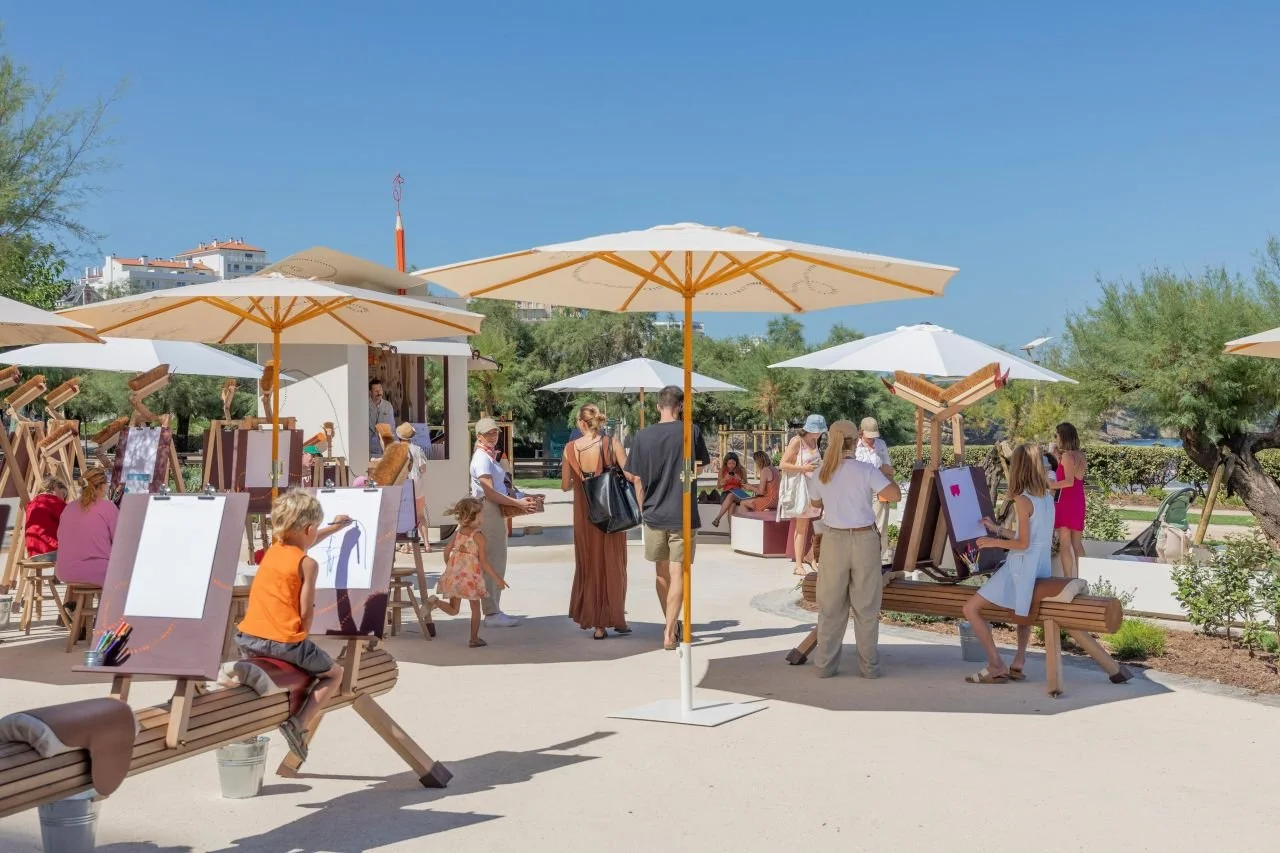
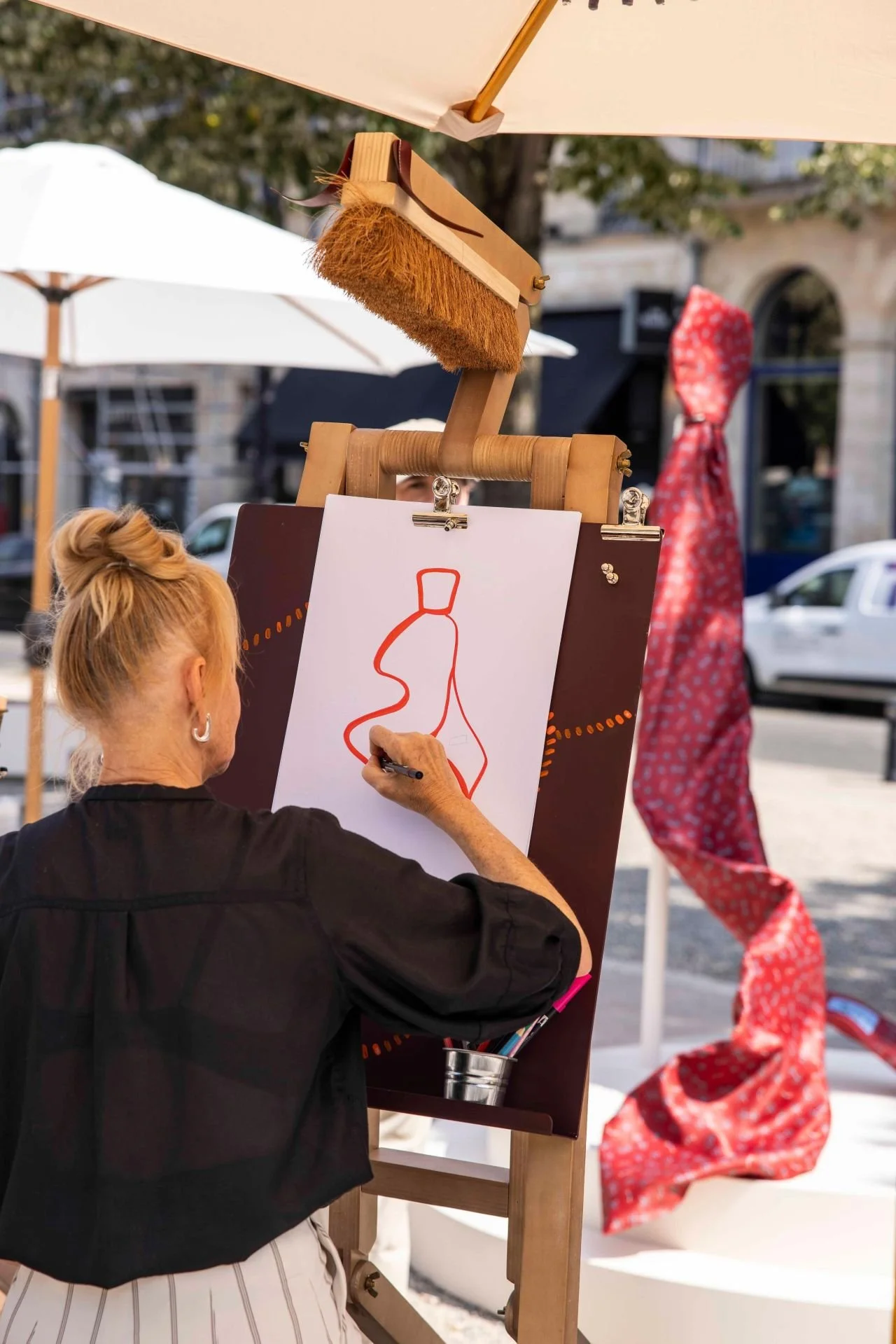
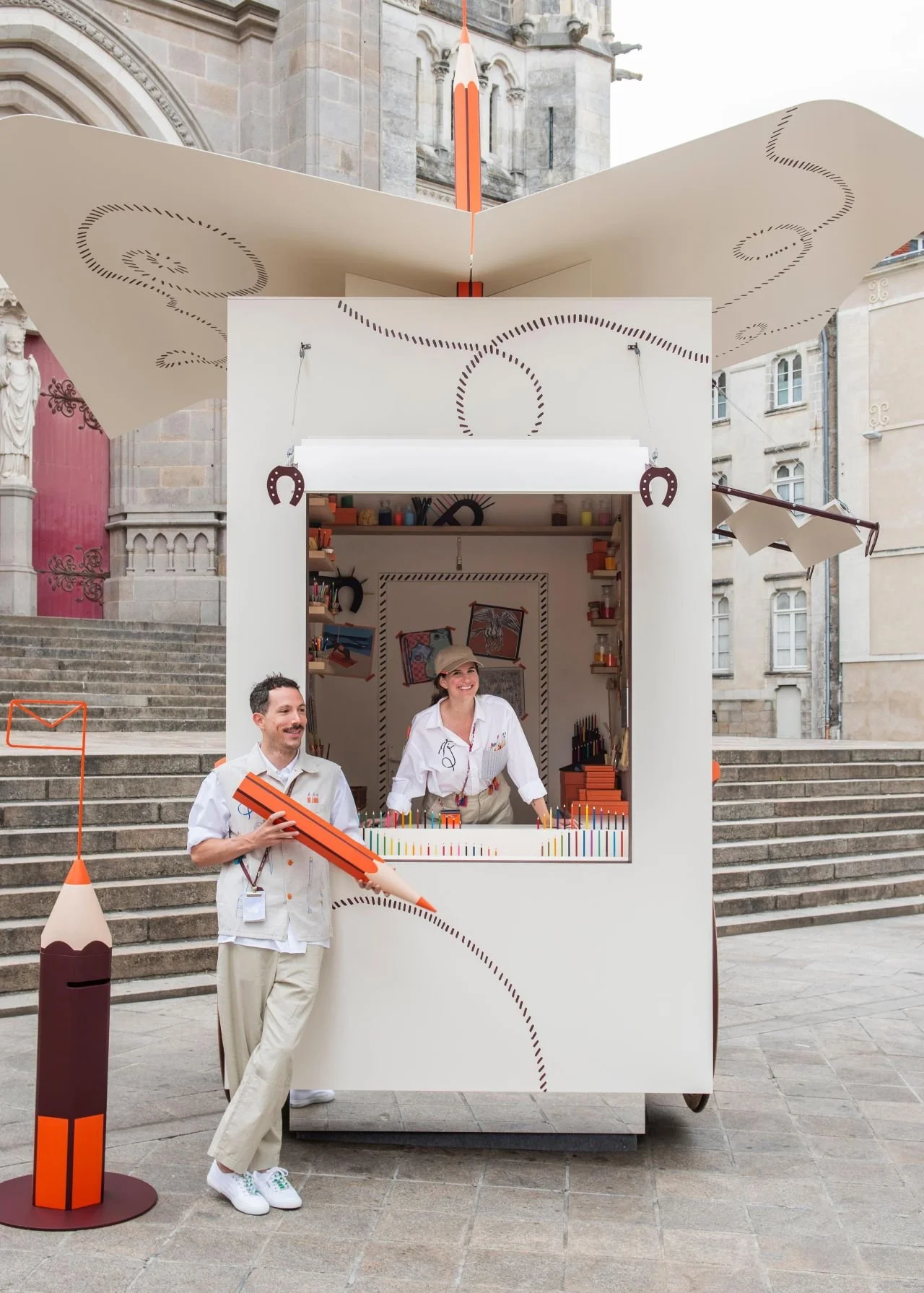
This summer, Hermès has turned public spaces in France into open-air studios, inviting anyone and everyone to pick up a pencil and create. The Drawn to Craft initiative, part of a year-long celebration of drawing, landed in Bordeaux (3–5 July) and Biarritz (10–12 July) with a joyful, participatory tribute to the first spark of craftsmanship: the line.

Celebrating-craftsmanship-Hermes-brings-art-to-life-through-drawing_hube_02.jpeg
Celebrating-craftsmanship-Hermes-brings-art-to-life-through-drawing_hube_03.jpeg
Celebrating-craftsmanship-Hermes-brings-art-to-life-through-drawing_hube_04.jpeg

Whether in the earliest sketch of a silk carré or the measured markings of a saddle stitch, drawing sits at the root of Hermès’ creative process. In these pop-up encounters, the brand brought that origin story outside, where passers-by could join in impromptu workshops. Children, locals, holidaymakers and seasoned artists alike experimented with collage, sketching, and playful interpretations of the house’s iconic motifs. Facilitators encouraged exploration without rules, making the act of drawing feel light, communal, and above all, accessible.

Earlier in the summer, Hermès launched the project in Paris with a one-night transformation of a school into a whimsical “drawing academy”. Guests, guided by eccentric “professors”, took part in classes before gathering for a celebratory “graduation” dinner. The concept blended Parisian elegance with a sense of theatre, reinforcing the idea that craft is as much about joy as it is about mastery.

Why it works

  • Cultural capital in motion - By taking craftsmanship into public spaces, Hermès shifts luxury from a rarefied context into a shared cultural moment, without losing its aura.

  • Invitation, not instruction - The emphasis is on participation rather than perfection, which draws in audiences who might otherwise be spectators.

  • Emotional brand storytelling - Drawing becomes a metaphor for starting something new, aligning with Hermès’ heritage of meticulous creation.

  • Cross-generational reach - Children and adults can engage equally, creating memories and associations that go beyond a single purchase.

  • Place-based authenticity - Anchoring the events in French cities reinforces Hermès’ local roots while supporting a global narrative of artistry.

In turning the act of drawing into an open invitation, Hermès not only demystifies its creative process but also builds a richer emotional connection with the public. Every line, whether from a child’s crayon or a master artisan’s pen, becomes part of the same story - one that starts with imagination and finds its way into craft.

categories: Fashion, Culture
Sunday 08.03.25
Posted by Vicky Beercock
 

💄🏉 Clinique Levels Up in Women’s Sport Sponsorship with the Red Roses

The link between beauty brands and women’s sport just took a high-profile leap. Clinique, part of The Estée Lauder Companies, has been named the first-ever Beauty Partner of England’s women’s rugby team, the Red Roses. This partnership will be front and centre during the Women’s Rugby World Cup kicking off on 22 August, marking a significant shift in how beauty aligns with sport culture.

Why it matters now

Women’s sport is seeing unprecedented growth in audiences, sponsorship value and cultural impact. According to the latest Women’s Sport Trust report (July 2025), brands that invest in women’s sport outperform traditional sponsors on emotional connection, brand affinity and long-term consumer loyalty. Clinique was ranked among the top performers, with over 70% of people aware of the partnership feeling more positive toward the brand.

This deal builds on Clinique’s grassroots programme GameFace, launched in 2022, which has funded clubs, supplied equipment and supported education for young women in rugby.

Pros - What’s working?

  • First-mover advantage: Clinique is the first beauty brand to partner with the Red Roses at an elite level, differentiating itself in a crowded skincare market.

  • Emotional brand lift: Strong data shows heightened affinity and trust among consumers who are aware of the partnership.

  • Grassroots to elite pipeline: The progression from GameFace to official Beauty Partner demonstrates brand commitment rather than a one-off marketing stunt.

Cons - Limitations or risks

  • Niche sport overlap: Rugby, while growing, is still a smaller audience compared to mainstream sports like football, potentially limiting mass exposure.

  • Perception gap: Not all audiences will connect beauty and rugby, risking accusations of a forced or mismatched brand alignment.

  • Short-term visibility window: Unless sustained post-World Cup, the halo effect may fade.

Opportunities - Where brands should focus

  • Content storytelling: Authentic narratives about player journeys, skincare routines, and confidence could extend impact beyond the tournament.

  • Cross-category campaigns: Leveraging beauty, sport, and lifestyle positioning to attract broader audiences.

  • Influencer-player collaborations: Co-creating content with athletes who resonate with beauty-savvy consumers.

Challenges - Barriers ahead

  • Maintaining authenticity: Audiences are sensitive to tokenistic sponsorships that lack tangible support.

  • Competition in women’s sport: With Unilever and Coppertone also making rugby moves, Clinique will need to keep its positioning distinct.

  • Long-term ROI measurement: Tying sponsorship impact directly to product sales remains complex.

Key takeouts

  • Clinique is setting a precedent by merging beauty with elite women’s rugby in a way that builds on authentic grassroots work.

  • Emotional brand affinity is a proven outcome for brands investing in women’s sport.

  • Sustaining momentum after major tournaments will be critical for lasting impact.

Next steps for brand marketers

  • Think beyond logo placement: Develop integrated campaigns that blend cultural storytelling, product relevance and player advocacy.

  • Bridge grassroots and elite: Show a clear pathway from community support to national stage.

  • Measure sentiment shifts: Track not just reach but changes in perception and brand trust over time.

  • Plan post-event activation: Ensure the brand narrative lives on after the final whistle.

categories: Beauty, Sport
Sunday 08.03.25
Posted by Vicky Beercock
 
Newer / Older