• Work Overview
  • About
  • Partnerships
  • Testimonials
  • On The Record
  • Linkedin

Vicky Elmer

(nee Beercock) | VP-Level Global Communications & Marketing Leader | Brand, Culture, Reputation

  • Work Overview
  • About
  • Partnerships
  • Testimonials
  • On The Record
  • Linkedin

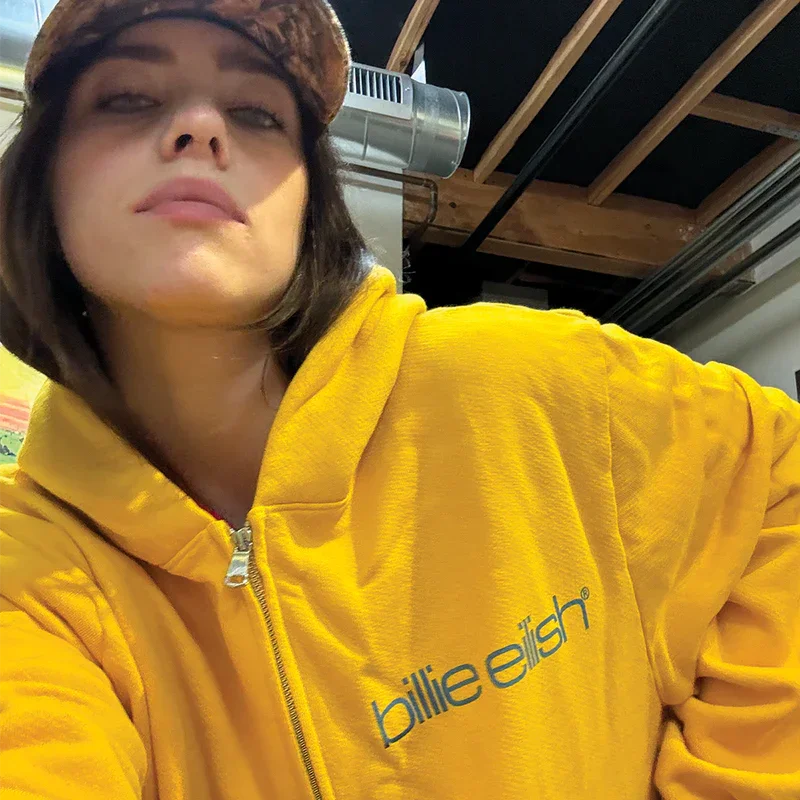
♻️ Merch Without Waste: Billie Eilish’s Boldest Statement Yet

Billie Eilish has built her brand on more than music - she’s consistently positioned herself at the intersection of cultural influence and environmental responsibility. Her latest move, in partnership with Universal Music Group’s Bravado division, takes direct aim at one of the industry’s biggest blind spots: mountains of unsold band merch.

When Eilish and her mother Maggie Baird discovered nearly 400,000 forgotten tour tees languishing in a Nashville warehouse, they pushed Bravado to rethink the system. Instead of letting them rot or ship off to landfills, the tees have been given a second life through an international recycling pipeline.

This isn’t just about merch; it’s about testing whether music’s biggest names can shift the norms of fashion and touring economies.

📊 Supporting Stats

  • 400,000 tees stockpiled in storage, some for years.

  • Recycling process in Morocco via Hallotex is producing 280,000 new shirts made from 100% recycled cotton.

  • The initiative conserves an estimated 4.2 million litres of water, thanks to the reduced impact of recycled textiles.

  • Textile waste remains one of fashion’s biggest problems: the world produces 92 million tonnes of textile waste per year (Ellen MacArthur Foundation).

🧠 Decision: Did It Work?

Commercially, this doesn’t solve merch’s overproduction problem overnight, but it positions Billie Eilish as a leader in cultural accountability. Her fans - often environmentally conscious Gen Z and Gen Alpha - will see the alignment between values and action.

Culturally, it elevates the conversation around merch beyond nostalgia or hype drops. Eilish is reframing band tees - one of the most iconic symbols of fandom - as a site of innovation rather than waste.

Creatively, the project may not have the same fashion clout as a luxury collaboration, but it lands harder strategically. It signals that artists can play an active role in reshaping the supply chains behind their brands, not just the aesthetics.

📌 Key Takeouts

  • What happened: Billie Eilish and Bravado are recycling 400,000 deadstock tees into 280,000 new shirts.

  • What worked: Strong alignment between artist values and fan expectations; measurable sustainability impact.

  • What didn’t: Reliance on overseas processing could undermine the eco narrative - audiences may ask why this isn’t happening domestically.

  • Signal: Music merch is overdue for reinvention, with circular models offering cultural credibility and commercial upside.

  • For brand marketers: Purpose-led initiatives hit hardest when they feel artist-driven, not corporate-staged.

🔮 What We Can Expect Next

This project could act as a blueprint. If North American facilities are developed, it could localise recycling and turn deadstock into a circular merch economy. The risk? Oversaturation of “sustainable” claims without structural change.

For now, Eilish sets the bar: the future of merch isn’t about the next limited-edition drop, but whether the industry can turn excess into equity.
categories: Impact, Fashion, Music
Thursday 09.04.25
Posted by Vicky Beercock
 

🔥 Apple’s Playlist Power Move

Apple Music has just dropped a feature that fans have begged for since the dawn of the streaming wars: playlist portability. Users in the US, UK, Brazil, Canada, France, Germany, and Mexico can now transfer playlists directly from rivals like Spotify. On the surface, it’s a simple quality-of-life update - but culturally, the timing is loaded. Apple is making this move as Spotify faces a very public artist exodus, triggered not by streaming economics this time, but by ethics. Indie heavyweights like Godspeed You! Black Emperor, King Gizzard, Xiu Xiu and Deerhoof have all walked away, citing Spotify CEO Daniel Ek’s ties to Helsing, an AI-driven defence company.

📊 Supporting Stats

  • Spotify still dominates global streaming with a 31.7% market share (MIDiA, 2025), but Apple Music has been quietly growing, sitting at 17.2% and strengthening its position in high-value Western markets.

  • Playlist culture is a driver of stickiness: according to Luminate, 54% of US listeners say their playlists shape their discovery habits. Until now, friction in moving between platforms kept people locked into Spotify.

  • Artist-led discontent isn’t niche: a 2024 survey by the Union of Musicians and Allied Workers found 82% of independent musicians believe Spotify underpays artists, a perception Apple can exploit.

🧠 Decision: Does It Work?
Yes - strategically, Apple’s move is sharp. Playlist portability lowers the psychological switching cost for listeners who may be fed up with Spotify but anchored by years of curated music. By rolling this out during Spotify’s ethical crisis, Apple positions itself as the natural refuge. However, there’s nuance: Apple hasn’t solved the underlying royalty issues either. The brand is benefiting more from timing and optics than from moral high ground.

📌 Key Takeouts

  • What happened: Apple Music launched playlist transfer functionality, coinciding with artist departures from Spotify over CEO Daniel Ek’s defence-tech investments.

  • What worked: Reduced friction for user migration, timely cultural positioning, strengthened perception as the “artist-friendly” alternative.

  • What didn’t: Apple still faces scrutiny on royalties - this isn’t a true ethical solution, more of a competitive convenience play.

  • Signals: Streaming competition is shifting from catalogue size to user experience and cultural values. Ethical alignment is now part of platform choice.

  • Brand takeaway: Reducing switching friction at the right cultural moment is a brand power move - especially when your rival is in reputational freefall.

🔮 What We Can Expect Next
If Apple sees a bump in conversions, expect more aggressive moves - maybe exclusive artist partnerships framed around “values” rather than just money. Spotify, meanwhile, risks a wider backlash if more artists join the protest. The portability play could spark a wave of “platform hopping” among listeners, much like gaming once shifted when cross-platform saved games became possible. For brands, the lesson is clear: cultural alignment is no longer optional - it’s a competitive differentiator.

categories: Tech, Music
Friday 08.29.25
Posted by Vicky Beercock
 

🔥 Rihanna’s Fenty Partners with the WNBA’s New York Liberty

Rihanna’s Fenty has made its first official move into sports sponsorship - and it’s not with the NBA or NFL, but with the WNBA’s New York Liberty. This deal is more than a brand alignment; it’s a cultural statement. Beauty brands aren’t just following athletes into sport - they’re redefining what it means to be an athlete, a style leader, and a cultural figure.

📊 Supporting Stats

  • WNBA regular season viewership up 170% year-on-year (2023–2024), the league’s best in 24 years.

  • 1.6m viewers tuned into the 2024 Finals - the most-watched in 25 years, up 115% on the previous year.

  • League attendance hit its highest in 22 years. (Sources: NBC News, WNBA)

🧠 The Brand Opportunity
This works on multiple levels. Fenty has built its reputation on breaking beauty boundaries and democratising representation - values that align perfectly with the WNBA’s surge in visibility and cultural relevance. Unlike traditional sponsorships, this partnership isn’t just logo placement. The “Gloss Bomb Cam,” exclusive Liberty-branded lip gloss, and beauty-led fan experiences make the activation feel alive, participatory, and in sync with the audience.

Strategically, Fenty is betting on the rise of women’s sports as a lifestyle platform. Players like Isabelle Harrison and Angel Reese aren’t just athletes - they’re beauty icons, influencers, and style references. For Fenty, this is about meeting consumers in cultural spaces where identity and aspiration converge.

📌 Key Takeouts

  • Rihanna’s Fenty signed its first sports partnership with the New York Liberty.

  • Women’s basketball is at a historic high in audience growth and cultural impact.

  • The activation is experience-driven, from arena activations to player-led beauty storytelling.

  • Beauty brands (Glossier, CoverGirl, Sephora, Essie) are making the WNBA their sports entry point — skipping men’s leagues.

  • This signals a shift in sponsorship logic: women’s sports are no longer the “secondary” market but a prime stage for cultural innovation.

🔮 What We Can Expect Next
Expect more crossover between beauty, fashion, and women’s sport, with players positioned as multidimensional influencers. Brands will compete for authentic alignment with athletes who embody more than performance - they embody style, beauty, activism and identity. The risk? Oversaturation. If every brand rushes in without thoughtful integration, fan trust could erode. But for now, Fenty has set a new gold standard: culturally relevant, commercially smart, and strategically timed.

💄 Bottom line: Fenty’s Liberty deal isn’t just sponsorship — it’s culture work.

categories: Fashion, Impact, Beauty, Music
Friday 08.29.25
Posted by Vicky Beercock
 

👔 Austin Post: Can Post Malone Really Pull Off Paris?

Post Malone is stepping into fashion’s most scrutinised arena: the Paris runway. His debut label, Austin Post, will launch its “Season One” on September 1, right on the doorstep of Fashion Week. For a musician who built his career on blending contradictions - country grit and hip-hop swagger, vulnerability and bravado - this move signals an attempt to translate his eclectic persona into a wearable brand world. But does Post Malone have the cultural leverage and credibility to cut through in an increasingly crowded celebrity-to-fashion pipeline?

📊 Supporting Stats

  • The global luxury market is projected to reach $414 billion by 2028, with Gen Z accounting for 20% of luxury spend in 2025 (Bain & Company).

  • Celebrity-led labels are multiplying: Rihanna’s Savage x Fenty hit $4 billion valuation, while Kanye West’s Yeezy hit $1.5 billion at its peak before collapsing under reputational strain (Forbes).

  • Music x fashion remains lucrative - 61% of Gen Z say they discover new fashion trends through musicians, more than through influencers (YPulse, 2024).

🧠 The Brand Opportunity
Post Malone isn’t new to fashion - collaborations with Crocs sold out repeatedly, while his recent SKIMS campaign aligned him with the new wave of “masculine intimacy” marketing. But a standalone label in Paris signals ambition beyond capsule drops. The challenge? Translating his distinct aesthetic (cowboy hats, Realtree camo, battered Vans, and diamond grills) into a coherent, scalable brand that luxury buyers and streetwear kids can both take seriously.

Paris is a statement of intent: it places Austin Post in conversation with brands like Amiri and Rhude, who blend Americana grit with European tailoring. Yet Malone’s appeal has always been more anti-fashion - offbeat, unbothered, and unfiltered. The tension will be whether Austin Post leans into polish, or keeps the chaotic authenticity that made him a star.

📌 Key Takeouts

  • What happened: Post Malone will debut his first fashion line, Austin Post, with a Paris runway show on September 1.

  • What worked: Smart timing - launching just ahead of Fashion Week secures global attention and frames the brand in a luxury context. His past collaborations prove commercial appetite exists.

  • What’s risky: Paris raises expectations. Unlike Crocs collabs, this isn’t plug-and-play - he’ll be judged on design credibility and brand coherence. Celebrity lines face heavy scrutiny and high failure rates.

  • What it signals: Musicians are still banking on fashion as both a cultural amplifier and revenue stream, but the bar for “serious” brands is higher than ever. Austin Post must avoid the trap of being merch in disguise.

  • For brand marketers: The play here is authenticity. If Malone’s team positions Austin Post as an extension of his lifestyle and not just another celebrity logo, it could carve a distinct niche between luxury Americana and rugged streetwear.

🔮 What We Can Expect Next
If Austin Post lands well, expect a wave of mid-tier musicians to attempt similar crossovers - not at Yeezy scale, but in tightly curated lifestyle capsules. If it stumbles, it will reinforce the idea that only a handful of celebrity-led brands (Fenty, Ivy Park) can truly sustain. Either way, Paris will be the litmus test: is this Post Malone’s Yeezy moment, or just a high-profile detour?

categories: Fashion, Music
Friday 08.29.25
Posted by Vicky Beercock
 

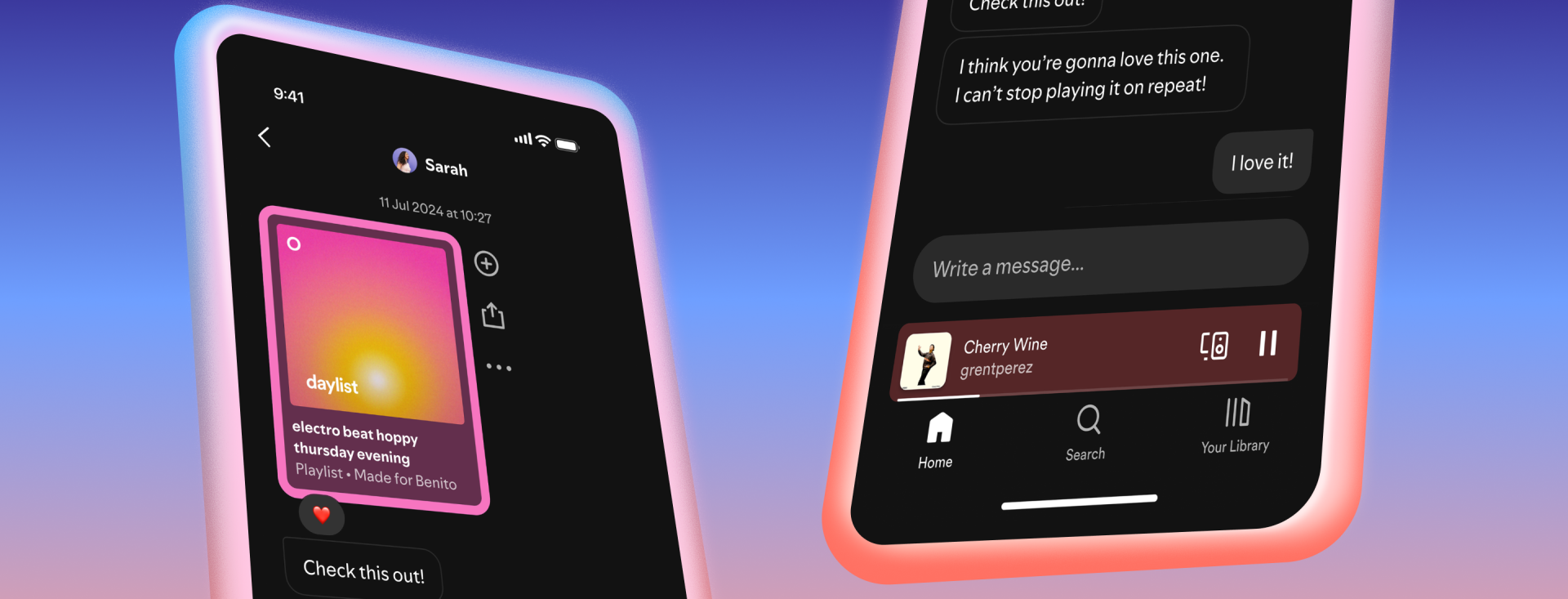
🔥 Spotify Adds DMs: Can the Streamer Win at Social Too?

Spotify just dropped a new feature called Messages - essentially in-app DMs for music, podcasts, and audiobooks. On paper, it’s simple: share a track with a friend, react with an emoji, keep the conversation going without leaving Spotify. But strategically, this is a big move. It edges Spotify further into “platform” territory, not just a listening app but a social space - a move that’s been both lucrative and risky for other platforms.

📊 Supporting Stats

  • Spotify users already share content millions of times per month through external apps like WhatsApp, Instagram, and TikTok (Spotify newsroom, 2025).

  • According to Nielsen, 92% of consumers trust recommendations from friends and family more than any other form of advertising (Nielsen, 2023). Spotify is essentially formalising this behaviour inside its own walls.

  • Social listening is a growth lever: TikTok’s music-first model turned it into the most downloaded app of 2024, and 75% of U.S. TikTok users say they discover new artists on the platform (MIDiA Research, 2024).

🧠 Decision: Does It Work?
This is a strategically smart move. Spotify isn’t trying to build a full social network - it’s creating a lightweight, high-intent communication channel tied directly to the act of discovery. The biggest win here is data ownership. Instead of losing the trail when a track gets shared to WhatsApp, Spotify can now see who shares what, who reacts, and how recommendations spread. That’s valuable intel for both creators and advertisers.

The risk? Feature fatigue. Users are used to sharing on platforms where their friends already are. Spotify Messages needs to feel frictionless, not redundant. If it ends up as a ghost town (like Netflix’s short-lived social layer), it could dilute the product.

📌 Key Takeouts

  • 🎵 What happened: Spotify launched Messages, an in-app DM feature for sharing music, podcasts, and audiobooks.

  • 💬 What worked: It builds on existing user behaviour (sharing recommendations) and strengthens discovery while keeping users inside Spotify.

  • ⚠️ What’s risky: Competing with entrenched social habits - most users already share through WhatsApp, TikTok, or Instagram.

  • 📈 Strategic signal: Spotify wants to own more of the recommendation journey, capturing social data to fuel discovery and advertising.

  • 🧑‍💼 For brand marketers: This creates a more measurable and direct channel for word-of-mouth influence — think micro-discovery loops inside Spotify, not just on TikTok.

🔮 What We Can Expect Next
Expect Spotify to test group messaging and more social discovery tools (imagine mini group chats tied to Blends or live Jams). If adoption sticks, artists and advertisers could eventually sponsor or seed recommendations, making Messages a new touchpoint in the discovery funnel. But if users see it as redundant, we might see Spotify retreat quietly, keeping external social integrations as the real driver.

The next 6–12 months will reveal whether Spotify is edging towards TikTok-lite - or if its strength remains in being the soundtrack, not the conversation.

categories: Tech, Music
Friday 08.29.25
Posted by Vicky Beercock
 

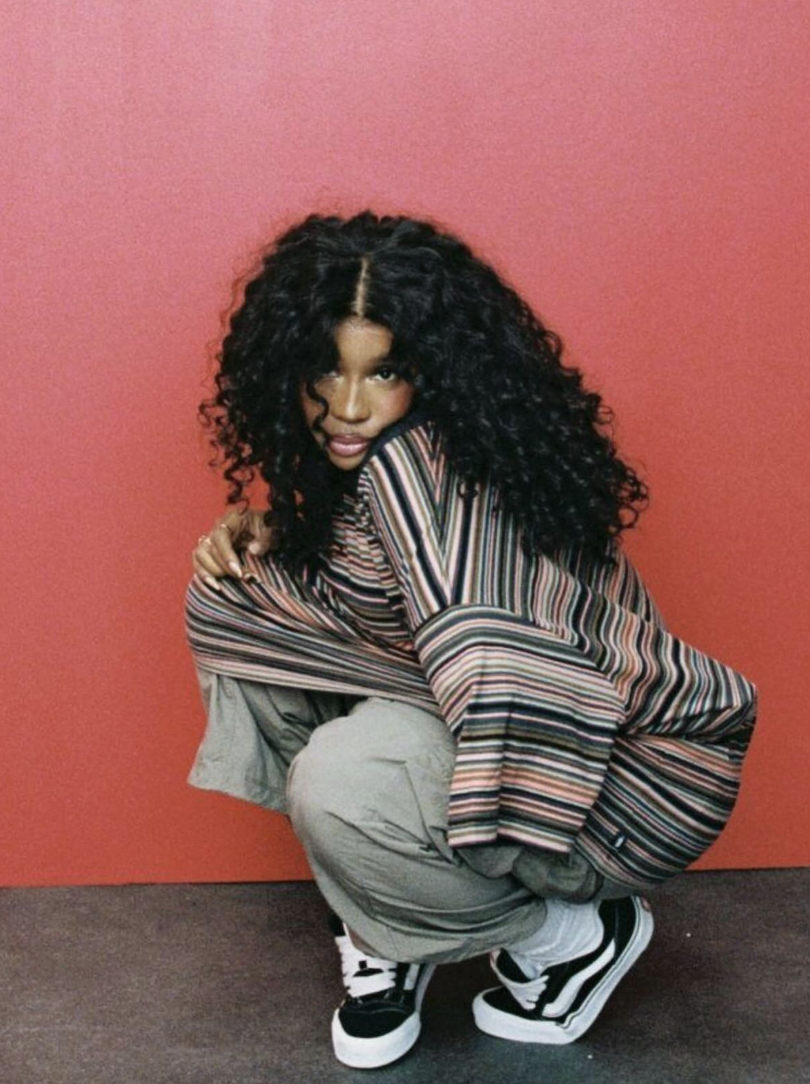
🔥 SZA x Vans: A Culture Reset in Motion

On 14 August, SZA made history as the first-ever Artistic Director of Vans. The Grammy-winning singer/songwriter won’t just be fronting a campaign - she’ll be leading creative operations, shaping upcoming collections, and reimagining how the nearly 60-year-old sneaker brand connects with culture. Her debut trailer features her favourite Knu Skools in Black/White, woven with concert footage and her own voiceover: “In Vans, I feel free!”

This isn’t just a celebrity collab. It’s a significant brand shift, appointing an artist with credibility across music, fashion, and skate-inspired lifestyle to re-anchor Vans in a cultural moment where relevance is currency.

📊 Supporting Stats

  • Vans generated $3.7 billion in global revenue in 2023, but sales momentum has slowed amid increased competition (VF Corp Annual Report).

  • According to Deloitte (2024), Gen Z rank creative self-expression as their top brand expectation, making SZA’s appointment strategically aligned.

  • Pharrell’s appointment at Louis Vuitton sparked a 30% quarterly sales surge in 2023 (LVMH), proving cultural leadership can move markets.

🧠 Decision: Does It Work?
Yes - this move works both culturally and commercially. SZA isn’t a random star endorsement; she’s been a Vans wearer for years and her ethos - resilience, risk-taking, community - aligns with the brand’s “Off the Wall” DNA. For Vans, which risks being outpaced by Nike SB and New Balance in skate credibility, SZA offers a way to broaden the story: from pure skate function to a lifestyle expression rooted in creativity and inclusivity.

Culturally, SZA embodies authenticity. She brings Vans into conversations around music, fashion, and Gen Z identity while keeping skate values intact. Commercially, it positions Vans to grow its lifestyle audience - people who may never drop into a half-pipe but still buy into skate culture’s ethos.

📌 Key Takeouts

  • What happened: SZA named Vans’ first Artistic Director, with creative authority across campaigns and product.

  • What worked: Authentic connection between SZA and Vans; reframing skate’s rebellious ethos through inclusivity and artistry; cultural credibility beyond traditional skate audiences.

  • Signals: Legacy brands are shifting from celebrity ambassadors to creative architects; skate culture is being redefined as a metaphor for resilience and expression, not just sport.

  • For brand marketers: Authentic cultural partnerships drive credibility when the figure embodies the brand’s DNA rather than just borrowing its iconography.

🔮 What We Can Expect Next
Vans will likely amplify SZA’s creative direction through capsule collections, multimedia campaigns, and crossover events between fashion and music. If it lands, this could be Vans’ biggest brand reset since the 90s skate boom - expanding from niche subculture to mainstream cultural symbol.

The broader trend? Expect more brands to hand the reins to cultural leaders, not just for campaigns, but for creative leadership that redefines the brand’s future.

categories: Fashion, Culture, Music
Thursday 08.21.25
Posted by Vicky Beercock
 

🎶 High Stakes, Loud Payoffs: Reading & Leeds’ Legacy of Booking Bold

From Jazz Marquee to Generational Pulse Check

Reading Festival began in the ’60s as a jazz and blues gathering. Leeds joined in 1999. Since then, the twin events have grown into more than a bank-holiday blowout - they’re a cultural barometer, tracking and influencing the tastes of each new generation.

What sets Reading & Leeds apart is their appetite for risk. This is a festival brand that rewrites its own rulebook: genre swerves, surprise stage upgrades, and headliner choices that can split opinion but shift culture. Survival has never meant playing safe - it’s meant booking bold and delivering it with world-class spectacle.

Risk as a Brand Strategy

While many legacy festivals cling to their comfort zones, Reading & Leeds thrive on calculated disruption:

  • 1992 - Public Enemy on the main stage, shattering the rock-only mould.

  • 2000 - Eminem at peak controversy, a full-tilt rap takeover.

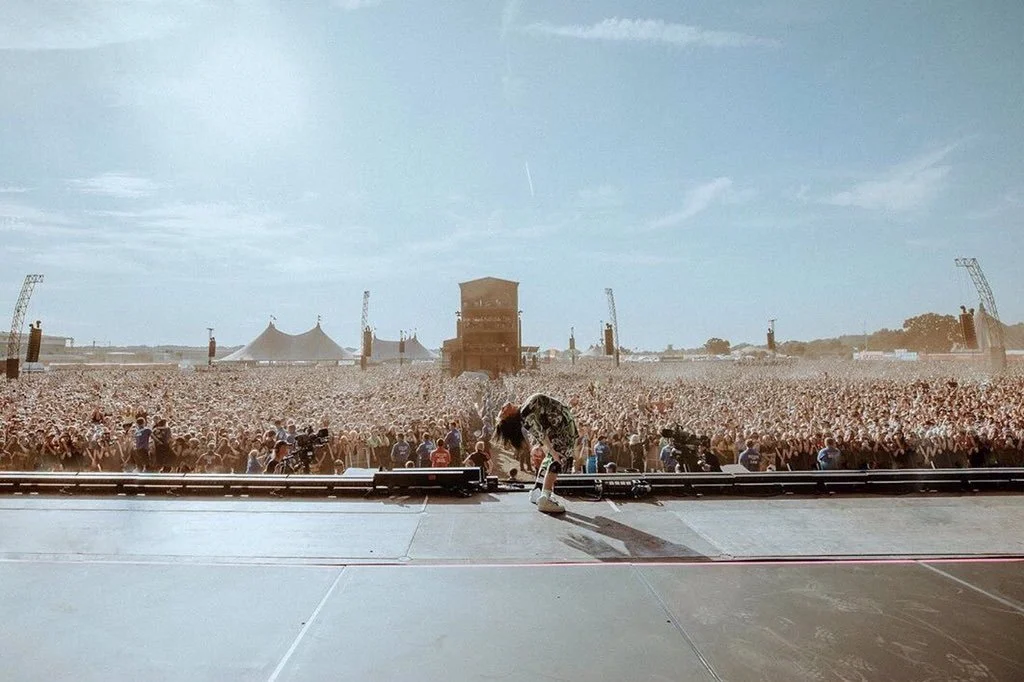
  • 2019 - Billie Eilish upgraded mid-season to main stage, cementing Gen Z’s place at the centre of the crowd.

These weren’t just names on a poster - they were line-up disruptors, acts that redefined who the festival was for.

Top 5 Culturally Defining Performances

  1. Nirvana (1992) - Kurt Cobain’s wheelchair entrance; a farewell steeped in irony and myth, marking the peak of grunge’s cultural dominance.

  2. The Stone Roses (1996) - Final gig before hiatus; Britpop’s emotional curtain call.

  3. Public Enemy (1992) - Politically urgent, genre-busting, proof the festival could hold more than guitars.

  4. Beastie Boys (1998) - Hip-hop cemented as a Reading mainstay, even amid purist resistance.

  5. Kendrick Lamar (2015) - A lyricist at the top of his game on a historically rock stage, signalling a new order.

Generational Pivot Bookings - The Evolution of Relevance

These are the moves that didn’t just fill a slot, but reset the festival’s centre of gravity:

  • Post Malone (2018) - Streaming-era stardom meets rock-festival main stage.

  • Stormzy (2021) - Grime royalty, a headline built on UK cultural pride.

  • Megan Thee Stallion (2022) - US rap dominance breaking through the rock wall.

  • Sam Fender (2023) - New-gen British guitar hero with arena-level draw.

  • Chappell Roan (2025) - TikTok-powered queer pop in full festival bloom.

Production as a Cultural Statement

In recent years, Reading & Leeds have matched big-risk bookings with world-class stagecraft:

  • Massive LED walls, immersive lighting rigs, stadium-grade sound.

  • Site redesigns for better flow, safer crowd dynamics, and bigger spectacle.

  • Dual main stages, killing dead air between headliners.

The result? The experience is as much the draw as the acts themselves.

Survival by Adaptation

When COVID halted live music, Reading & Leeds came back swinging in 2021 with genre-fluid headliners and a wider audience focus. They’ve also rebounded from past crises - from late ’80s pop-booking misfires to Leeds’ licensing battles - each time emerging more relevant.

Why It Matters Ahead of 2025

Next weekend’s line-up - Travis Scott, Hozier, Bring Me The Horizon, Chappell Roan - proves Reading & Leeds are still balancing nostalgia, cultural statements, and calculated risk. They’re not following trends; they’re engineering the crossroads where mainstream and youth culture meet.

The Playbook Reading & Leeds Wrote

  • Be fearless in booking – Back the future stars early and visibly.

  • Invest in experience – Treat production as brand equity.

  • Stay culturally porous – Let the line-up reflect where youth are going, not just where they’ve been.

  • Leverage risk as relevance – Every wildcard headliner is a chance to make a statement.

Final Take:
Reading & Leeds isn’t just a festival - it’s the UK’s most consistent cultural risk-taker. Its legacy is built on knowing when to gamble, when to swerve, and how to turn those calls into music history. Next weekend will be another test - and another chance for the bank-holiday risk machine to pay off big.

categories: Music, Impact, Culture
Friday 08.15.25
Posted by Vicky Beercock
 

🎙️ Podcasts Are the New Prime-Time - and Celebs Know It

The celebrity press tour has quietly been rewritten. Forget late-night sofas and glossy magazine Q&As - the hottest seat in PR right now is across from a podcast mic. And not just any mic: the video-first podcast set, optimised for YouTube algorithms, TikTok snippets, and full visual storytelling.

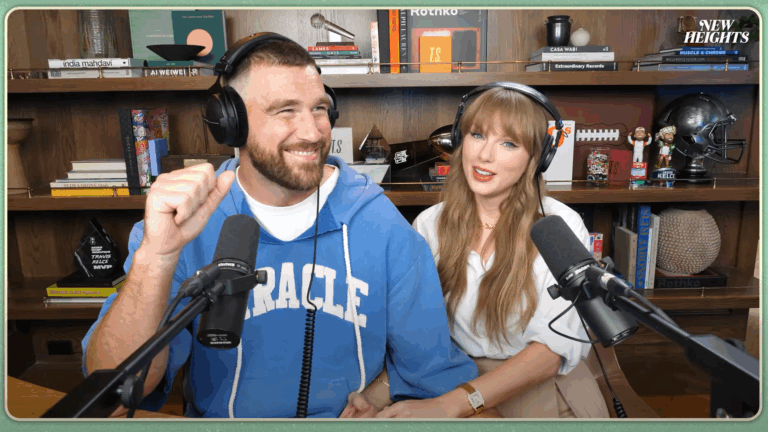
Taylor Swift’s debut on New Heights - the sports-meets-pop-culture podcast co-hosted by her boyfriend, NFL star Travis Kelce - wasn’t just an album announcement. It was a multi-platform event engineered for reach: dominating Instagram Reels, breaking Spotify records, and shifting NFL audience demographics in real time.

📊 Supporting Stats

  • Instagram Reels domination: Swift’s teaser for New Heights became the most-reposted Reel in the U.S. since the feature launched last week, with 170M+ views - her most-viewed Reel ever.

  • Spotify surge: The episode ranked among Spotify’s top-performing podcasts of the past year, with 3000% more new listeners, a 2500% overall stream increase, and a 618% spike in female listeners compared to the show’s average.

  • NFL halo effect: Since Swift began attending games, she’s generated nearly $1B in brand value for the NFL, driving a 24% viewership increase among women aged 18–24 and a 30% growth in Kansas City Chiefs fandom.

  • Eras Tour economics: Swifties spend an average of $1.3K per concert - on par with the average Super Bowl spend — illustrating the sheer spending power that a fanbase can carry across industries.

🧠 Decision: Did It Work?
From a brand perspective, the New Heights play is a blueprint for how video-first podcasts can act as cultural and commercial accelerants.

  • For the podcast: Record-breaking streams, a broadened audience, and an algorithmic windfall across YouTube, Spotify, and Instagram.

  • For Swift: Narrative control, brand synergy with the NFL, and fan-driven amplification that no paid media could match.

  • For the NFL: Expanded demographic reach, boosted merch and ticket sales, and cultural relevance beyond the sports pages.

📌 Key Takeouts

  • What happened: Celebrity announcements are moving to video-first podcasts, using multi-platform amplification to dominate cultural conversation.

  • What worked: Cross-platform coordination (Reels + YouTube + Spotify), audience intimacy, and fanbase mobilisation.

  • What didn’t: Reliance on personality-driven fanbases means the format’s success can be highly dependent on the right guest.

  • Signals for the industry: Cult-fave guests - whether pop stars, athletes, or internet icons - can bring their audience with them, reshaping audience profiles overnight.

🔮 What We Can Expect Next
Expect more brands and rights holders to pair up with celebrity talent for podcast appearances - not just for PR hits, but for measurable commercial impact. The next evolution will be shows that design for virality, building in multiple content moments per recording to fuel weeks of platform-native clips. In the fight for cultural attention, the podcast set is now the new prime-time stage.

categories: Culture, Music, Sport
Friday 08.15.25
Posted by Vicky Beercock
 

🔥 Yellow 25: When Colour and Legacy Shine at Wembley

Coldplay’s breakthrough hit Yellow - a song built on warmth, emotion, and simplicity - turns 25. To mark the milestone, and coincide with the band’s ten-night residency at Wembley Stadium, Wembley Park enlisted the visual authority of Pantone to transform the Spanish Steps into Yellow 25, a walkable gradient that maps the song’s emotional arc. More than décor, this is storytelling through colour, rooted in cultural resonance. Supporting Stats & Context

  • The installation spans 58 steps, each assigned a unique Pantone shade - from muted pastels to rich golds - mirroring the song’s melodic and emotional crescendo.

  • The Spanish Steps form a key pedestrian link between Wembley Stadium and the OVO Arena Wembley, ensuring high visibility for both concert-goers and casual passers-by.

  • Reopening on the Wembley Park Art Trail, it follows last year’s Taylor Swift Eras-inspired mural, reinforcing the site as a hub for pop-cultural landmarks.

Decision: Did It Work?

Yes - and on multiple fronts.

Cultural Resonance & Emotional Mechanics
Pantone’s calibrated shades tie directly into the emotional beats of the song - from delicate vulnerability to luminous exultation. Jane Boddy, of the Pantone Colour Institute, emphasised how the work "visually expresses the emotional journey of the song."

Place-making via Music and Art
Wembley Park unites stadium spectacle with everyday urban life - this turns a mere transit route into a cultural experience. As Claudio Giambrone, Head of Cultural Programming, puts it: “Wembley Park is shaped by music and shared experiences... [Yellow 25] felt like the right fit.”

Sustainability as Strategy
Beyond the aesthetic, the installation uses PVC‑free, chlorine- and plasticiser-free film, designed to be fully recycled into practical items like street cones post-installation - mindful stewardship meets public art.

Commercial and Experiential Synergy
With nearly a million fans passing through during Coldplay's run, the installation amplifies brand visibility while giving fans - and the public - something to genuinely engage with, beyond merch or concert tickets.

Key Takeouts

  • What happened: Pantone turned the Spanish Steps at Wembley Park into Yellow 25, a gradient homage to Coldplay’s Yellow, timed with their 25th anniversary and stadium show series.

  • What worked: It tapped into emotional storytelling, part of a wider public art movement on pop-cultural high ground; it's tactile, experiential, and visual-first.

  • What it signals: Brands can translate sound, memory, fandom - using simple design principles and cultural touchpoints - to amplify resonance in physical space.

  • Takeaway for marketers: Use memory and emotion as a lens for design; invest in public, sustainable art that invites participation - not just ad viewership.

What We Can Expect Next

  • A trend: More experiential brand activations that translate intangible cultural moments into physical, participative art.

  • Terrains to watch: Music anniversaries, film tributes, festival seasons - places where history and anticipation live in overlap.

  • Tensions: Overuse of this blueprint risks dilution. The right balance: emotionally attuned, culturally timed, environmentally thoughtful.

  • Momentum vs. fatigue: Well-curated projects like Yellow 25 build goodwill and live on in social shares; copycat moves without depth or relevance risk flatness.

In short - Yellow 25 doesn’t just shine - it sings. It reminds us how colour, memory, space, and music can coalesce into something greater than the sum of its parts.

categories: Music, Culture
Friday 08.15.25
Posted by Vicky Beercock
 

🎤 Roundhay Park’s Big Leap: A Lifeline for Live Music’s Revival

The Rolling Stones entertain a busy Roundhay Park, Leeds, in 1982

Leeds’ Roundhay Park is on the brink of reclaiming its place among the UK’s live music heavyweights. Councillors will soon vote on whether to boost its concert capacity from 19,999 to almost 70,000 - a shift that could transform the park into one of Britain’s largest outdoor stages.

For a live events industry still rebuilding after years of pandemic shutdowns, spiralling costs, and festival cancellations, this isn’t just a local licensing tweak - it’s a major opportunity to inject energy, revenue, and jobs into a sector that’s been under sustained pressure.

📊 Supporting Stats

  • Live music sector value: Worth £4.3bn in 2023, up 14% year-on-year - but still facing margin squeeze from production and staffing costs (UK Music).

  • Event workforce: Over 210,000 people work in UK live music, from crew to security to hospitality (LIVE).

  • Festival closures: More than 50 UK festivals cancelled in 2024 due to financial strain (Association of Independent Festivals).

  • Mega-event pull: Concerts over 50,000 capacity draw significant tourism spend - Hyde Park’s BST series injected £83m into London’s economy in 2023 (Mayor of London’s Office).

🧠 Decision: Did It Work?

If approved, this capacity boost would be a strategic win for the city and the industry.

For the sector - Large-capacity venues are crucial for routing global tours efficiently. When cities like Leeds can host 70k crowds, it keeps big artists touring in the UK beyond London, spreading both revenue and cultural capital.

For workers - Bigger shows mean bigger crews: stage builders, riggers, sound and lighting techs, catering, transport, security, medical teams. It’s a multiplier for freelance and seasonal employment in a sector where gig-to-gig income is the norm.

For the city - Beyond the ticket sales, mega-gigs bring hotel bookings, restaurant trade, late-night transport use, and a visible cultural halo that benefits tourism marketing.

📌 Key Takeouts

  • What happened: Leeds considering raising Roundhay Park’s capacity from 19,999 to ~70,000.

  • Sector impact: Strengthens the UK’s live music infrastructure at a time when mid-tier festivals are struggling.

  • Worker boost: Creates hundreds of local jobs per event and steady contracts for crew and suppliers.

  • Economic uplift: Potential for millions in local spend per gig; positions Leeds as a northern mega-tour destination.

  • Cultural gain: Revives a venue with historic prestige, drawing acts who might otherwise skip the region.

  • Risks: Logistics, resident impact - but these can be mitigated with investment in transport and sound management.

🔮 What We Can Expect Next

If this gets the green light, expect Leeds to rapidly feature on the routing for global acts in 2026, with potential knock-on benefits for smaller local festivals and venues as audiences travel in for big shows and discover the city’s wider scene.

It could also signal a shift in how the UK distributes its biggest gigs, with more large-scale outdoor events taking place outside the capital. For an industry that thrives on scale, and a workforce that’s been through the toughest five years in its history, Roundhay’s upgrade could be more than a crowd boost - it could be a morale boost.

categories: Music, Impact
Thursday 08.14.25
Posted by Vicky Beercock
 

🎤 When the Music Stops: Why Brian Eno’s Rosebank Protest Hits More Than Just the Oil Industry

When Brian Eno pens an open letter, the creative world pays attention. This time, he’s rallied a heavyweight coalition - Robert Smith of The Cure, Massive Attack’s Robert Del Naja, Lola Young, BICEP, Olly Alexander, Paloma Faith, and members of Radiohead - calling on UK Prime Minister Sir Keir Starmer to block the development of Rosebank, the country’s largest undeveloped oil and gas field.

Rosebank, 80 miles off Shetland, isn’t just an energy project. To these artists, it’s a cultural threat - one that puts climate commitments, creative livelihoods, and the UK’s credibility as a climate leader on the line. Their case: the expansion of fossil fuels jeopardises not just the planet, but the very spaces and conditions in which art is made.

📊 Supporting Stats

  • Scale of emissions: Rosebank’s reserves could release more CO₂ than the combined annual emissions of the world’s 28 lowest-income countries (EarthPercent, 2025).

  • Financial tilt: UK taxpayers would shoulder ~90% of development costs, while Norwegian state-owned Equinor - which made £62bn in 2022 and £29bn in 2023 - would take most of the profit.

  • Climate impact on culture: In 2024, Bonnaroo Festival was cancelled due to flooding; LA’s music community suffered mass displacement from wildfires earlier this year (Rolling Stone UK).

  • Public sentiment: 76% of Britons support prioritising renewable energy over new fossil fuel projects (YouGov, 2024).

🧠 Decision: Did It Work?

From a cultural strategy perspective, yes - the move lands.
This isn’t just celebrity activism; it’s a targeted, values-led intervention that bridges climate science with creative industry stakes. By framing climate change as a direct threat to cultural spaces and artistic livelihoods, Eno and co. shift the conversation from “environmental policy” to “creative survival.” That’s a potent reframing for audiences that might feel distant from oil policy debates but deeply connected to music, art, and festivals.

However, there’s a trade-off: this letter sits squarely in a politically loaded space. While it energises climate-conscious fans, it risks being dismissed by opponents as “musicians meddling in politics” - a familiar tension when artists wade into policy debates.

📌 Key Takeouts

  • What happened: Brian Eno orchestrated an open letter to PM Keir Starmer, co-signed by major UK and international musicians, urging rejection of the Rosebank oil field.

  • What worked:

    • Star power amplified the issue beyond the usual climate campaign audiences.

    • Clear linking of climate change to cultural infrastructure gave the argument emotional and economic weight.

    • Credible, data-backed arguments on emissions, subsidies, and economic benefit.

🔮 What We Can Expect Next

If Starmer rejects Rosebank, it would be a symbolic win for climate campaigners - but more importantly, a signal that cultural influence can sway hard policy. Expect more artist-led activism targeting infrastructure projects, particularly when the link to cultural survival is clear.

categories: Impact, Music
Wednesday 08.13.25
Posted by Vicky Beercock
 

🔥 Does Live Nation Urban’s Creator Network Deliver Genuine Value?

Live Nation Urban has unveiled what it calls the largest Black creator network in the industry - in collaboration with Breakr. Positioned as a year‑round creative engine, it’s presented not as a trend-driven initiative but as an infrastructure built to sustain authentic partnerships and equitable creator support.

That same logic of long-term cultural investment is now extending globally. In a new partnership with Spotify, Live Nation Urban is bringing emerging U.K. R&B talent to U.S. stages through RNB X Live: The UK Sound - a two-city concert series spotlighting rising British voices including Elmiene, Odeal, Sasha Keable, Venna, and kwn. It’s another example of how Live Nation Urban isn’t just building infrastructure for Black creators in the U.S., but connecting global culture through strategic alliances.

📊 What We Know

  • 75,000+ creators, backed by 55 million data points, underpin the platform’s reach and insight.

  • 48‑hour payment turnaround via BreakrPay.

  • A-list brand partners include Amazon Music, Hennessy, AT&T, Hulu, and Pepsi.

  • RNB X Live: The UK Sound debuts in August 2025, spanning San Francisco and New York, following the success of Spotify’s previous RNB X showcase featuring Normani and Bryson Tiller.

  • The concert series is fuelled by Spotify’s flagship RNB X playlist, designed to elevate the global R&B landscape.

  • Tickets go on general sale 1 August via Live Nation and Spotify.

🧠 Does It Work?

Yes - with credibility, consistency, and cultural alignment.

What sets Live Nation Urban apart is that it’s not chasing moments, it’s engineering movements. Whether building economic equity through the Creator Network or platforming cross-continental talent with Spotify, it operates from the inside out - not the outside in. These aren’t opportunistic plays. They’re evidence of a long-standing cultural mandate backed by infrastructure, investment, and intentionality.

And the RNB X Live collaboration underlines that point: it’s not about “featuring” U.K. R&B - it’s about exporting cultural ecosystems with the same care and clarity they’ve applied to U.S.-based creators. The result? A brand that doesn’t just participate in culture - it architects it.

📌 Key Takeouts

  • What’s happening: Live Nation Urban continues to expand its creator-first ecosystem with Breakr, while launching a global artist initiative in partnership with Spotify.

  • What resonates:

    • Strategic, real-time payment for creators.

    • Integration of data, context, and live cultural capital.

    • Expansion into global talent pipelines (U.K. to U.S. R&B).

    • Relationship-led approach, not just algorithm-led access.

  • Potential tension: Continued success will depend on resisting extractive brand dynamics and keeping creator collaboration intentional, not transactional.

  • Cultural signal: Audiences are drawn to brands and platforms that invest in long arcs of culture, not quick wins.

  • For marketers: This is a model of how brand, talent, and community can co-exist without compromise - because it’s designed to.

🔮 What Might Come Next?

Live Nation Urban’s moves suggest a blueprint for creator economies that are sustainable, not seasonal - and global, not geofenced. From Broccoli City to Irving Plaza, the message is clear: when creators are treated as partners, not placements, value multiplies. Expect other entertainment brands to start building their own culturally driven, data-backed creator infrastructures.

But staying ahead means staying curated. As more brands enter the creator economy, the ones who win won’t be the ones who shout loudest - they’ll be the ones who know when to listen, who to elevate, and how to build for the long haul.

categories: Impact, Music
Thursday 08.07.25
Posted by Vicky Beercock
 

📵 Silent Mode: Why Warehouse Project’s Phone Ban Signals a Shift in Club Culture

The Warehouse Project, a cornerstone of UK nightlife, is introducing a partial no-phones policy at its Manchester venue. Attendees at events in the Concourse section will be asked to cover their phone cameras with stickers provided by the club. While full-scale WHP shows won’t enforce a total ban, signs will encourage limited use, particularly on the dancefloor. Organisers say the move is about preserving the essence of club culture - shared moments, real connection, and undistracted energy. Professionally shot content will be made available to attendees immediately after each event, offering an alternative to DIY documentation. The policy reflects wider cultural momentum around presence, privacy, and digital detox.

Key Takeouts

  • 📉 87% of UK clubgoers feel phones harm the atmosphere (VICE).

  • 🎧 62% of new-generation DJs prefer no-phone crowds (Resident Advisor).

  • 🕺 There’s growing appetite for “real” and “immersive” experiences among Gen Z, especially in nightlife settings.

  • 📸 WHP’s model shows how post-event content can meet social sharing needs without disrupting the moment.

  • 🤝 The challenge lies in balancing freedom, documentation, and collective respect.

Benefits

  • Deeper immersion: Without screens, attention stays on the music, lighting, and shared environment.

  • More authentic social energy: Removing phones fosters genuine in-person interaction.

  • Improved visual landscape: No rows of raised phones means better visibility and crowd flow.

  • Professional content: Attendees can still share moments via WHP’s in-house photos and video, minimising FOMO while preserving vibe.

  • Brand control: For WHP, the policy also allows tighter curation of how the event appears online.

What We Can Expect Next

  • A rise in curated after-content: More venues may follow WHP’s lead by offering professional, branded post-event media.

  • Tech-free design thinking: Brands and venues could start building “presence-first” zones or rituals into events.

  • Tensions with influencer culture: As self-documentation becomes more restricted, content creators may push back or look elsewhere.

  • Differentiated audience strategies: Venues may adopt hybrid models - some events phone-free, others open - to accommodate varying audience preferences.

  • New creative formats: Delayed content drops, shareable edits, and exclusive recap reels could become the norm for event storytelling.

categories: Impact, Music, Culture
Thursday 08.07.25
Posted by Vicky Beercock
 

🎭 Casting Beyond Convention: What Cynthia Erivo’s ‘Jesus Christ Superstar’ Role Signals for Brands

At the Hollywood Bowl, Jesus Christ Superstar shed its familiar skin. Cynthia Erivo’s portrayal of Jesus was arresting - vocally commanding yet layered with a striking vulnerability. Her phrasing made well-worn lyrics feel urgent and newly relevant, and her presence anchored the production in both gravitas and humanity.

Adam Lambert’s Judas was equally magnetic, his rock-inflected vocals biting yet emotive, lending the betrayal a modern edge. The chemistry between the two was palpable, turning their duets into high-voltage exchanges rather than static set pieces. The staging leaned into simplicity, letting the performances drive the drama – and the audience responded with powerful ovations.

Cast Overview

  • Cynthia Erivo (Jesus) - Tony and Grammy Award winner, two-time Oscar nominee, and soon to star in Wicked: For Good. Her performance brought a fearless reinterpretation to one of musical theatre’s most iconic roles.

  • Adam Lambert (Judas) - Known for American Idol and fronting Queen, Lambert delivered a vocally explosive and emotionally nuanced Judas.

  • Supporting Ensemble - A powerful chorus and tight band delivered Lloyd Webber’s rock score with muscular precision, amplifying the show’s rebellious spirit.

Why It Matters
This wasn’t simply a casting decision - it was a statement. By placing a Black queer woman at the centre of one of the most recognisable roles in musical theatre, the production challenged long-standing assumptions about who gets to embody sacred or historic figures. Lambert’s public defence of Erivo reframed the conversation from controversy to creative provocation.

For brands and cultural institutions, the lesson is clear: audiences are increasingly open to reinterpretations that prioritise inclusivity and fresh perspective. While backlash is inevitable when reimagining tradition, strong artistic vision and vocal allyship can turn potential criticism into cultural capital.

categories: Culture, Impact, Music
Sunday 08.03.25
Posted by Vicky Beercock
 

🍺 Pints, Power & Pop Culture: How Oasis Turned Wembley Into the UK’s Biggest Pub

When Oasis rolled into Wembley Stadium for their Live ’25 tour, they didn’t just fill the stands - they filled the taps. Across three sold-out nights, fans set a new Wembley record by sinking more than 250,000 pints per show, according to venue operator Delaware North (The Times, 2025). That’s over double Coldplay’s 2024 average (120,000) and more than six times Taylor Swift’s Eras Tour tally (40,000).

With tickets capped at around 80,000 per night, the maths works out to three pints per attendee - but given many won’t have touched a drop, the actual drinkers were clearly putting in championship-level performances. Each show saw around 4,500 kegs rolled into Wembley, with storage space spilling into every cupboard and corner.

The effect didn’t stop at the stadium gates. Martin Williams, CEO of Evolv, told The Times that pubs with easy access to Wembley were “packed to the rafters”, while Cardiff’s microbreweries reported beer and cider sales jumping 56% during earlier tour dates. For a hospitality sector squeezed by rising wages and national insurance costs, the Oasis effect has been a welcome shot in the arm.

And it’s not just alcohol sales feeling the lift - the band’s Manchester dates generated £250,000 for grassroots music venues in the city. This is cultural capital turning directly into economic capital.

Key takeouts

  • Mega-events can drive hyper-local economic spikes across hospitality, retail and transport.

  • Music fandom is an economic force that can outstrip even top-tier sporting events.

  • The “Oasis effect” shows brand activations work best when plugged into cultural moments with deep emotional resonance.

Next steps for brand marketers

  • Map the fan journey - from pre-gig meetups to post-show pubs - to identify partnership and activation points.

  • Collaborate with local hospitality for co-branded offers that extend the event’s spend footprint.

categories: Music
Sunday 08.03.25
Posted by Vicky Beercock
 

🏆 UEFA Women’s EURO 2025 Breaks Records: Why Player Power and Cultural Relevance Are Reshaping the Game

In a rematch of the 2023 FIFA Women’s World Cup final, England defeated Spain to win the UEFA Women’s EURO 2025 in Switzerland. But beyond the final result, this year’s tournament signalled a shift in scale, attention and cultural value - across attendance, digital engagement, athlete influence and brand performance.

The women’s game has moved from breakthrough to benchmark.

📊 Tournament Performance Snapshot

  • 657,291 total fans attended across 31 matches (29 sold out)

  • 34,203 fans attended the final in Basel

  • 35% of attendees travelled internationally, representing 160+ nationalities

  • Swiss host cities reported a 12% visitor increase and 27% spending growth

  • 500M+ global viewers engaged with the tournament (projected)

  • The final is expected to surpass 45M streams globally

  • UEFA’s app and website saw over 49M views, with 20.7M+ social engagements

  • 95K+ fans joined organised fan walks; 1M+ engaged in fan zones

🌟 Player Power: Michelle Agyemang and the Youth Surge

  • Michelle Agyemang, 18, became a breakout star and Young Player of the Tournament

  • She scored stoppage-time goals in both the quarter-final and semi-final, despite playing just 138 minutes

  • Her personal story - from Wembley ball girl to national hero - trended across major platforms and inspired high-volume, high-sentiment content

  • Other emerging stars like Iman Beney, Vicky López, and Smilla Vallotto also gained sharp follower growth and commercial attention

  • Player-led content outperformed official or sponsor-led creative across TikTok, Instagram and YouTube Shorts

📣 Brand Share of Voice & Engagement (Campaigns That Cut Through)

The brands that succeeded at EURO 2025 didn’t just sponsor - they participated in culture, activated quickly, and let players lead.

🏁 Nike - 11OME & the Journey Home

  • Nike led the post-final moment with “It’s not just coming home. It’s 11OME.”, deployed across OOH, social and live activations.

  • Featured arrival content, fan installations and cultural commentary.

  • Delivered a 35% spike in Instagram engagement on @nikefootball during finals week, with 4.2M+ views on the hero video in 48 hours.

🔥 Adidas - Icons of the Future, Aygemergency & Star Power

  • Adidas’s Icons of the Future featured Alessia Russo, Aitana Bonmatí, Michelle Agyemang and Vicky López - blending performance footage with off-pitch storytelling.

  • Their reactive “Break in Case of Aygemergency” stunt went viral after Agyemang’s second clutch goal:

    • Store displays, TikTok assets and GIF packs generated 2.5M+ video uses in 48 hours

    • Agyemang’s follower count surpassed 1M during the campaign window

  • Adidas led earned share of voice among sponsors from quarter-finals through to the final (source: Talkwalker).

💳 Visa - Fans Without Borders

  • A docuseries highlighting fan journeys across Europe drew 12M+ views and lifted brand favourability by 11% in UEFA-related social media conversations.

🎧 Spotify - Player Soundtracks

  • Spotify's curated playlists featured players like Russo and Batlle, generating 400K+ streams and strong organic shares via athlete profiles.

💄 L'Oréal - Game Face

  • TikTok-first beauty content featuring Iman Beney and Selma Bacha became the most engaged branded beauty content during the tournament.

🚗 Volkswagen - Penalty Challenge Fan Zones

  • VW’s interactive zones drew 18,000+ participants, with 120K+ UGC moments feeding directly into UEFA’s official channels.

👀 How It Compares: Men’s & Women’s Benchmarks

To frame the scale of EURO 2025:

  • The FIFA Club World Cup Final 2023 drew 81,118 attendees and ~107M viewers - less than EURO 2025's combined reach

  • A 2025 men’s pre-season friendly (Man Utd vs West Ham) drew 82,566 - the biggest US football crowd of the year, but with limited global broadcast impact

  • The UEFA Women’s EURO 2022 had 574,875 attendees and 365M viewers - both surpassed this year

  • The FIFA Women’s World Cup 2023 reached over 2B viewers, with ~2M attending in person

  • The UEFA Women’s Champions League Final 2025 (Arsenal vs Barcelona) drew 38,356 and 3.6M viewers

  • By comparison, the FIFA Men’s World Cup Final 2022 drew 88,966 in-stadium and 1.5B peak global viewers

  • The UEFA Men’s EURO 2020 reached 5.2B total audience, with 328M for the final

📌 Key Takeouts

  • UEFA Women’s EURO 2025 broke all previous records across attendance, engagement, and economic impact

  • Player-led narratives drove the tournament’s reach, especially among younger and digital-first audiences

  • Nike owned the post-final moment, but Adidas’s real-time cultural play and player focus captured early share of voice

  • Digital-first, culturally fluent brands like Spotify and L'Oréal delivered standout performance through relevance over reach

  • Women’s football is no longer emerging - it’s defining what successful sports marketing looks like in 2025

🔮 Next Steps for Brand Marketers

  • Get closer to athletes, not just federations - player-driven content is now the primary mode of influence

  • Plan for culture, not just coverage - campaigns must be reactive, meme-literate and mobile-native

  • Treat women’s football as primary commercial territory - not CSR or secondary inventory

  • Use live experiences to feed digital storytelling - not just as standalone stunts

  • Track ROI by share of voice and cultural impact, not just legacy prestige

UEFA Women’s EURO 2025 wasn’t just a tournament. It was a live demonstration of where fan energy, brand value, and cultural influence are moving next.

The players are ready. The fans are watching. And the smartest brands are already on the pitch.

categories: Fashion, Beauty, Impact, Sport, Music, Tech
Monday 07.28.25
Posted by Vicky Beercock
 

🎵 Payback Time: UK Songwriters Secure Per Diems in Landmark Label Agreement

A quiet revolution is happening in the music industry - and this time, it's songwriters leading the charge. In what’s being described as a world-first agreement, UK songwriters will now receive £75 per diem plus expenses when attending label-organised writing sessions with the UK's major record labels. Even more significantly, these payments will be non-recoupable.

Why This Matters Now

For decades, songwriters have been the unsung heroes of the music business - crafting chart-topping hits while often working without upfront pay, basic subsistence, or guaranteed income. In the streaming era, where song royalties are split disproportionately, their position has become even more precarious.

This new agreement marks a major shift in how the industry recognises creative labour. Spearheaded by The Ivors Academy, the deal signals a growing momentum behind fairness and financial transparency in music creation.

The Pros - Why This Is a Win

  • Direct support for creative labour: A per diem system, common in film and other production industries, finally acknowledges that creative time has real cost and value.

  • Non-recoupable status: Unlike advances, these payments won’t be clawed back from future royalties - a crucial win for fair compensation.

  • Industry precedent: This is reportedly the first such agreement in the world, setting a new benchmark for other markets and genres.

According to Music Business Worldwide, the initiative was secured through sustained campaigning by songwriter members and advocacy by The Ivors Academy, one of the UK’s leading music rights organisations.

The Cons - What’s Still Lacking

  • Limited scope: At present, the deal only applies to sessions organised by the UK’s three major labels (Universal, Sony, Warner). Independent songwriters or those working outside label frameworks are still without coverage.

  • No fix for streaming: While the per diem offers short-term relief, it doesn’t address the broader structural inequity in streaming revenues, where songwriters often earn far less than performers or labels.

Opportunities - A Door Opens for Broader Reform

  • Setting global standards: This model could be replicated in other countries or by independent labels and publishers.

  • Shifting the power dynamic: By recognising songwriters as workers entitled to fair conditions, the agreement may catalyse wider industry reforms - from session fees to royalty splits.

  • Brand partnerships with values: For agencies and brands working in music, supporting artists and writers with fair pay has become an increasingly important reputational issue.

Challenges - What's in the Way?

  • Implementation logistics: Claims will initially be processed via a temporary system through The Ivors Academy, with a new form in development. Ensuring smooth and consistent payment will be key.

  • Keeping the pressure on: Without continued visibility and union-like organising, such gains can stagnate or be undermined in the long term.

Key Takeouts

  • UK major labels will now provide £75 per diem plus expenses to songwriters for writing sessions.

  • This is a non-recoupable payment - a landmark development.

  • The agreement was secured by The Ivors Academy and its members.

  • It sets a global precedent, though broader systemic issues in streaming remain unresolved.

Next Steps for Brand Marketers

  • Watch how value is shifting: Creators are increasingly organising for fairer conditions. Brands working in music should ensure they’re on the right side of that shift.

  • Consider how you fund creative work: Are freelance writers, composers or designers in your campaigns being treated with the same principles?

  • Support fair culture: If your brand is using music as a marketing vehicle, showing active support for songwriter rights can demonstrate real cultural fluency.

categories: Impact, Music
Wednesday 07.23.25
Posted by Vicky Beercock
 

🎶 TikTok Turns Up the Volume on Songwriters: What the New Features Mean for Brands and Creators

As TikTok continues to shape global music discovery, its latest move puts songwriters centre stage. With the beta launch of TikTok Songwriter Features, the platform is responding to industry calls for greater transparency, visibility and value for the creators behind the hits. For brands, talent managers, and cultural strategists, this development signals a shift in how music creators can be engaged and elevated in the social ecosystem.

Why This Matters Now

TikTok has become a core driver of music virality. But until now, songwriters have often remained in the background. This new suite of features - including a Songwriter Account Label and a Music Tab - is designed to ensure their work is properly credited and more discoverable.

According to MIDiA Research’s 2025 Songwriter Report, 53% of full-time songwriters who post content do so on TikTok, and over 80% of all songwriters use social media to advance their careers. The timing is clear: songwriter visibility is no longer optional - it’s business-critical.

✅ Pros - What’s Working?

Elevated Attribution
For the first time, songwriters can label their profiles and curate a music tab showcasing their co-written works, making authorship transparent and accessible.

Content + Catalogue Integration
TikTok’s update places music and storytelling side by side - empowering songwriters to link personal content with professional catalogues.

Direct Fan Discovery
As songwriter KOLE notes, fans are discovering creators through TikTok’s algorithmic curation - not by search. That passive discovery makes songwriter visibility more impactful than ever.

Industry Endorsement
Major publishers like Kobalt, Reservoir, Warner Chappell and Sentric have publicly backed the beta, reinforcing its industry legitimacy and reach.

❌ Cons - What Are the Limitations?

Closed Beta = Limited Access
Currently, the feature is in a restricted rollout with select publishing partners. This limits early visibility for independent or unsigned songwriters.

Attribution Is Still Optional
TikTok’s features are tools, not enforcement mechanisms. Unless widely adopted and standardised, songwriter credits may still be missed or inconsistent.

Monetisation Still Vague
While the features improve discovery, the connection to revenue (e.g. sync, streaming boosts, licensing) is still unclear for many songwriters.

💡 Opportunities - What Should Brands Pay Attention To?

Creator Collaborations at the Source
Brands can now identify not just performers, but the creative minds behind trending tracks - opening doors to deeper, story-led partnerships with writers.

Content Series Like #BehindTheSong
TikTok’s built-in storytelling formats like #BehindTheSong offer a blueprint for branded content collaborations focused on process, inspiration and authorship.

Talent Scouting Through Attribution
With credits attached to profiles, brands and agencies can scout songwriting talent based on real metrics - discoverability, influence, and song virality.

Culture-Led Campaign Soundtracking
Knowing who wrote a viral track opens up richer cultural alignment and licensing conversations, beyond performer endorsements.

⚠️ Challenges - What Barriers Exist?

Fragmented Credit Systems Across Platforms
TikTok may credit songwriters, but many DSPs and UGC platforms still lack consistent metadata frameworks.

Algorithmic Attention Gaps
TikTok’s For You Page surfaces content, not necessarily credit. Without amplification, songwriter features risk being underused or unseen.

Platform Dependency
Over-reliance on TikTok for visibility may reinforce platform-driven career models, which can be unstable or opaque.

🔑 Key Takeouts

  • TikTok Songwriter Features signal a shift towards greater attribution and visibility for music creators.

  • The initiative is backed by major publishers and supported by songwriter advocates across the industry.

  • While still in beta, the features could reshape how songwriters are discovered, credited, and monetised on social platforms.

  • Brand marketers now have a new layer of creative partnership potential, tracing culture back to its originators.

  • Success will depend on widespread adoption, feature evolution, and cross-platform alignment on credit standards.

🧭 Next Steps for Brand Marketers

  • Track the Beta Rollout: Stay informed on when the features open more broadly. Early engagement could offer brand partnership advantages.

  • Map Songwriters to Cultural Trends: Go beyond performers. Identify the creatives behind trending TikTok tracks who may align with your brand story.

  • Experiment with #BehindTheSong Formats: Use TikTok’s existing campaign structures to spotlight the creative journey behind licensed music in brand campaigns.

  • Push for Metadata Standards: Join or support industry calls for consistent songwriter crediting across digital platforms.

  • Reframe Influencer Strategy: Include songwriters as a new class of cultural creators for endorsement, partnership or amplification.

TikTok is positioning songwriters not just as background contributors, but as cultural figures in their own right. For brands, that means a chance to engage deeper in the music economy - at the source of creativity.

categories: Music, Tech
Thursday 07.17.25
Posted by Vicky Beercock
 

🧨 Fyre Festival Sale: What’s the Real Price of a Tarnished Brand?

🔥 Congratulations, You Bought a Fyre! (Now What?)
How a Disaster Festival Became the World’s Most Expensive Meme - and What Its New Owner Might Actually Do With It

Introduction
Remember Fyre Festival? That glittering influencer fantasy that turned into a slow-burn survival thriller shot entirely in Instagram aspect ratio? Well, it just sold on eBay. For $245,300.

Billy McFarland - the man who turned Evian water into a logistical crisis and cheese sandwiches into a class-action exhibit - auctioned off the rights to the Fyre brand. Yes, someone voluntarily paid nearly a quarter of a million dollars for a pile of broken promises, unkept NDAs, and a logo that smells faintly of damp plywood.

💥 How Bad Was It, Really?

Let’s recap, in case you’ve managed to forget the best-worst event of the last decade:

  • Guests were promised private jets, luxury villas, and VIP yacht parties.

  • They received hurricane-relief tents, feral dogs, and portaloos from a Mad Max reboot.

  • Luggage was tossed out of shipping containers like bingo prizes.

  • Gourmet catering turned out to be two slices of bread + one plastic cheese single = dinner.

  • Thousands were stranded on an island with no electricity, no running water, and no explanation.

  • The only thing that showed up reliably? The influencers’ phone batteries.

And let’s not forget the launch video, which broke the one (one!) rule of using the island: “Don’t mention Pablo Escobar.” They did. In the first five seconds. The sellers - allegedly ex-cartel associates - swiftly revoked their rental contract. Bad branding and potentially life-threatening. A bold mix.

🧐 So Who Bought It? And Why?

175 bids were placed, but the winner hasn’t been publicly named.

Given McFarland’s past with fake ticketing schemes, phantom VIP packages, and some suspiciously energetic Google Docs, we can’t rule out that he was bidding against himself... from the same IP address... using an alias like “NotBilly99”.

But whoever the buyer is, they now own one of the most recognisable (and ridiculed) event brands of all time. Which leads us to the question no one asked but we’re answering anyway:

🤹 What Can You Actually Do With the Fyre Festival Brand?

Here’s a spitball list of potential business ventures for the new owner, ranging from “sort of plausible” to “please don’t but we’d watch the doc”:

1. Fyre Fest: The Immersive Experience™
A travelling museum/pop-up that lets guests relive the disaster: wait 12 hours for luggage, queue for bread, try to find working WiFi. The exit is only open if you can prove you didn’t post a black square in 2017.

2. Limited-Edition Merch Drops
Streetwear that leans into the joke: “Booked. Cursed. Burned.” hoodies, FEMA tent duffel bags, or cheese sandwich air fresheners. Supreme would collab in a heartbeat.

3. A Netflix Prequel
Eight-part prestige drama: FYRE: Origins. Every episode opens with a drone shot and ends with a nervous phone call to Ja Rule.

4. Turn It Into a Branding Case Study IP
A keynote series or MBA module titled: The Limits of Influence: When Hashtags Outpace Infrastructure. Sponsored by Evian.

5. NFT resurrection (God help us all)
Repackage ticket stubs, digital merch, or “exclusive behind-the-scenes panic” as collectibles. Bonus points for minting a token called “FYRcoin.”

🧠 Key Takeouts

  • The Fyre brand isn’t valuable because it worked - it’s valuable because it failed memorably.

  • Infamy has cultural weight in the attention economy, especially when it spawns memes, docs, and group therapy sessions.

  • Modern brand equity is just as much about narrative potential as product or performance.

  • With enough irony and internet savviness, even a reputational dumpster fire can be monetised.

  • If you're buying burnt IP, have a plan - and maybe legal representation.

So yes, someone really bought Fyre Festival. And no, we don’t know what they’ll do with it.

But if the history of this brand teaches us anything, it’s this: where there’s smoke... there’s probably a failed VIP concierge service.

Meanwhile, Billy McFarland - after serving four years in federal prison for fraud - still owes over $26 million in restitution, is banned from serving as a company director, and in 2025, attempted to launch Fyre Festival II. Tickets were reportedly being sold before a venue, date, or lineup was confirmed. Unsurprisingly, that plan also fizzled.

At which point, he did what any rational entrepreneur would do: listed the brand on eBay.

Honestly, it’s less of a business model and more of a performance art piece.

categories: Music
Thursday 07.17.25
Posted by Vicky Beercock
 

🔥 When Spectacle Backfires: What Tomorrowland’s Main Stage Fire Reveals About Festival Risk

The fire that destroyed Tomorrowland’s iconic main stage just 48 hours before the 2025 edition kicked off wasn’t just a production mishap - it was a cultural and operational alarm bell for large-scale events. For an experience famed for its hyper-immersive design, narrative staging, and theatrical build, the loss of its centrepiece so close to opening underscored the risks embedded in scale and spectacle.

Despite the dramatic setback, organisers confirmed the festival would go on as planned - a decision that reassures fans but invites reflection from brand strategists, cultural producers and live event professionals alike.

🎧 A Festival That Redefined Scale

Tomorrowland isn’t just another music festival. Held in Boom, Belgium, it attracts over 400,000 attendees annually, hosting more than 800 artists across two weekends. In 2023 alone, the event generated €155 million in economic impact for Flanders (Source: Tomorrowland Economic Report, 2023), with livestreams reaching millions more globally.

At the heart of this mega-production is the main stage - redesigned every year as an architectural and thematic statement. The now-destroyed Orbyz stage was themed around “a magical universe made entirely out of ice,” complete with pyrotechnics and elaborate animatronics. This level of production is Tomorrowland’s signature - and its differentiator.

🔥 When the Centrepiece Becomes the Liability

The fire, which began around 6 p.m. Wednesday and took over three hours to contain, raises significant questions about how health and safety is managed at events of this scale. Fireworks installed in the stage structure exploded during the blaze, according to the Rivierenland fire brigade, though thankfully no injuries were reported.

Had this occurred just 48 hours later during peak crowd density, the consequences could have been catastrophic. A sudden evacuation or fire-related chaos with 70,000+ attendees in front of the stage would have severely tested any safety plan, no matter how well designed.

Elaborate main stage production offers incredible brand and attendee value - but when that spectacle becomes the event’s centre of gravity, its failure can jeopardise the whole enterprise.

📚 Learnings and Strategic Implications

1. Spectacle can’t be the single point of failure
Culturally, Tomorrowland’s theatrical ambition has set the bar for immersive festivals. But operationally, the heavy reliance on one architectural centrepiece creates a major risk concentration. Multi-stage or decentralised concepts may provide more resilience.

2. Crisis response and transparency matter
Organisers’ swift communication and commitment to go forward with the event preserved trust. In a cultural landscape where reputation is fragile, proactive, transparent messaging helped contain the fallout.

3. Health and safety protocols must consider ‘what ifs’
Although no injuries occurred, the incident highlights the importance of pre-emptive risk planning around live fire, special effects, and structural hazards. Rehearsing scenarios where infrastructure fails can no longer be optional.

4. Design must meet disaster resilience
The pursuit of ever-more intricate stage designs needs to be matched with robust materials, fire suppression systems, and emergency exit planning. Visual storytelling should not compromise safety systems.

5. Brand experience depends on operational excellence
For brands activating at cultural events, it’s a reminder that the experience economy is tightly linked to infrastructure and logistics. A brand moment is only as strong as the scaffolding behind it.

📌 Key Takeouts

  • Tomorrowland attracts 400,000+ attendees annually and generates €155M in regional economic impact.

  • A fire destroyed the main stage days before opening, highlighting risks in large-scale immersive design.

  • No injuries occurred, but fireworks within the stage ignited during the blaze.

  • Organisers will continue the festival, but questions remain about centralised production risk.

  • Health and safety planning must evolve to match the creative ambition of such events.

Tomorrowland's ability to continue in the face of setback speaks to the professionalism and preparedness of its team. But for the wider industry, it's a vivid reminder: in the experience economy, the show can go on - but only if it’s safe to begin with.

categories: Music, Culture
Thursday 07.17.25
Posted by Vicky Beercock
 
Newer / Older